Galapagos Islands Wildlife Encounters: A Sustain...
The Galapagos Islands. Just the name conjures images of bizarre creatures, volcanic landscapes, and the pioneering spirit of Charles Darwin. My recent trip there exceeded every expectation. It was more than just a vacation; it was an immersive experience in evolutionary biology, a lesson in sustainable tourism, and a humbling encounter with some of the planet's most unique wildlife. From snorkeling with marine iguanas to witnessing the incredible conservation efforts spearheaded by the Charles Darwin Research Station, the Galapagos offered an unforgettable journey. This is my story of exploring these enchanted isles responsibly, supporting ecotourism initiatives, and connecting with the magic of the natural world.
Underwater Ballet at Tagus Cove: Marine Iguanas
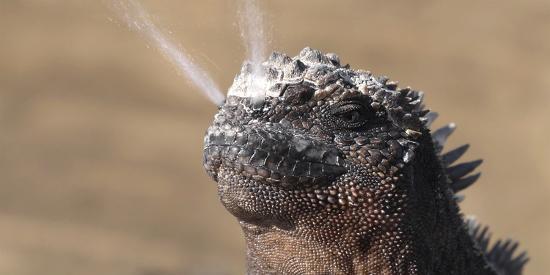
My first truly unforgettable experience was snorkeling at Tagus Cove, a sheltered bay on the western coast of Isabela Island. The water was surprisingly cool, but the anticipation kept me warm. What I witnessed beneath the surface was unlike anything I had ever seen. Scores of marine iguanas, the world's only lizard that forages in the ocean, were gracefully gliding through the water, their powerful tails propelling them towards the rocky seabed. They weren't just swimming; they were actively feeding.
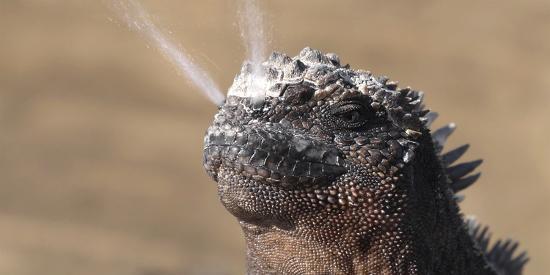
These incredible reptiles, perfectly adapted to their marine environment, were grazing on algae covering the volcanic rocks. What struck me most was their cooperative feeding behavior. I watched as several iguanas worked together to dislodge particularly stubborn patches of algae. One iguana would use its blunt snout to pry at the algae, while others would nibble away at the loosened fragments. It was a fascinating display of social behavior and resourcefulness, a testament to their evolutionary adaptation to this unique ecosystem.
Hunting Spectacle: Galapagos Penguins near Bartolome Island
The next day, our boat cruised towards Bartolome Island, a dramatic volcanic cone rising from the turquoise waters. The landscape itself was breathtaking, but the real show was about to begin in the water. We spotted them: Galapagos penguins, the only penguin species found north of the equator. These small, agile birds are endemic to the Galapagos Islands.
What unfolded before our eyes was a hunting spectacle. A school of small fish darted frantically through the water, pursued by the coordinated efforts of the penguins. Their synchronized movements were mesmerizing. The penguins moved as one, diving and surfacing in perfect unison, creating a swirl of activity that disoriented the fish. They employed rapid, coordinated strikes, each penguin strategically positioning itself to maximize its chances of a successful catch. Witnessing this display of teamwork and precision was a humbling reminder of the power of natural selection and the evolutionary pressures that have shaped these remarkable creatures. It was the best time to see Galapagos penguins hunting near Bartolome, they are always around.
Diego: The Tortoise Who Saved His Species at the Charles Darwin Research Station
No visit to the Galapagos Islands is complete without a trip to the Charles Darwin Research Station on Santa Cruz Island. While the station is dedicated to the conservation of all the islands' species, it was one particular resident that captured my heart: Diego.
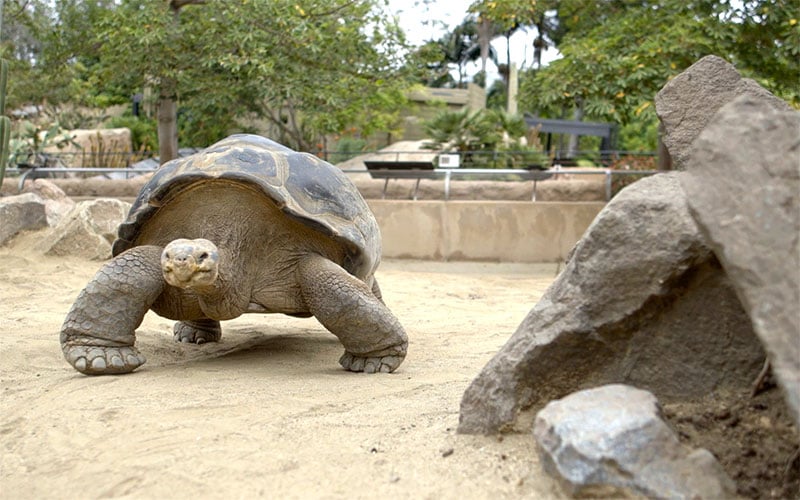
Diego, estimated to be over 100 years old, is a Galapagos giant tortoise (Chelonoidis niger) of the hoodensis subspecies. He isn't just any tortoise; he's a living legend. In the mid-20th century, the population of tortoises on Española Island had dwindled to a mere 14 individuals, including only two males. Diego was brought to the research station from the San Diego Zoo.
Through a dedicated breeding program, Diego became the patriarch, fathering an estimated 800 offspring and playing a crucial role in saving his species from the brink of extinction. Standing near his enclosure, you could feel the weight of his legacy. His wrinkled skin, the slow, deliberate movements, all spoke of a life dedicated to survival. It was a palpable sense of awe, a realization that I was in the presence of a true conservation hero. Visiting Charles Darwin Research Station is a must for any trip.
Hiking Sierra Negra Volcano: A Journey Through Endemic Ecosystems
Another unforgettable experience was hiking up Sierra Negra volcano on Isabela Island. This isn't just any volcano; it boasts the second-largest caldera in the world. The hike offered a fascinating journey through distinct ecological zones, showcasing the remarkable adaptability of life in the Galapagos. Hiking Sierra Negra volcano Galapagos difficulty level is manageable for most reasonably fit individuals.
The hike began in the Scalesia forests at the base of the volcano. These endemic trees, unique to the Galapagos, create a surreal and enchanting landscape. Their bark is smooth and reddish-brown, often peeling in papery layers, and their leaves are broad and leathery, perfectly adapted to capture the moisture from the frequent mists. The interplay of light and shadow filtering through the canopy created a magical atmosphere.
As we ascended, the Scalesia forests gradually transitioned into fern-covered landscapes. These ferns, thriving in the mist-laden environment, exhibited various adaptations for survival. Many were epiphytes, clinging to the branches of trees and drawing nutrients from the air and rain. The air was thick with humidity, and the ground was soft and springy underfoot.
Finally, near the crater rim, we reached the barren, volcanic terrain. Here, the landscape was stark and desolate, a testament to the power of volcanic activity. Yet, even in this harsh environment, life persisted. Hardy pioneer species like lava cacti had adapted to the extreme conditions, their spiny forms clinging to the volcanic rocks, a symbol of resilience and the enduring power of life. You can usually find a Galapagos naturalist guide to help with your journey.
Sustainable Luxury at Finch Bay Hotel: Conservation in Action
My commitment to responsible travel led me to the Finch Bay Hotel on Santa Cruz Island. More than just a comfortable place to stay, it's a shining example of sustainable tourism in action. The Finch Bay Hotel Galapagos Sustainable Practices are truly exemplary.
The hotel has invested heavily in renewable energy, utilizing solar panels to generate a significant portion of its electricity. Through renewable energy use, the Finch Bay Hotel has reduced carbon emissions by 30%. They also offer guided tours led by local naturalists, trained in conservation, who provide invaluable insights into the islands' ecology and the challenges they face. This type of tour allows for Galapagos Islands Evolutionary Biology Tourism.
But their commitment goes beyond their own operations. The Finch Bay Hotel actively supports community-based conservation projects, such as those focused on protecting the Galapagos finches, Darwin's iconic birds that played a crucial role in his theory of evolution. By choosing to stay at the Finch Bay Hotel, I knew I was directly contributing to the preservation of this fragile ecosystem.
Support Conservation in the Galapagos
My trip to the Galapagos Islands was a transformative experience, a journey that deepened my appreciation for the wonders of the natural world and the importance of sustainable tourism. I urge you to visit the Galapagos responsibly, to support ecotourism initiatives, and to contribute to the ongoing efforts to protect these enchanted isles for generations to come. Book Galapagos Islands wildlife tour today! Consider the Galapagos Islands family friendly tours with teenagers for a truly memorable trip.
Here's how you can make a difference:
- Choose sustainable accommodations: Look for hotels like the Finch Bay Hotel that prioritize environmental responsibility.
- Support local tour operators: Engage with companies that employ local guides and contribute to community-based conservation projects.
- Respect the environment: Follow the guidelines set by the Galapagos National Park, avoid disturbing wildlife, and pack out all your trash.
- Educate yourself: Learn about the unique ecology of the Galapagos Islands and the challenges they face. Share your knowledge with others.
- Donate to conservation organizations: Support organizations like the Charles Darwin Foundation that are working to protect the Galapagos Islands.
By traveling responsibly, we can all play a part in ensuring that the Galapagos Islands remain a sanctuary for wildlife and a source of inspiration for future generations. Ethical Galapagos travel operators are essential for this effort.