Galapagos Islands: A Wildlife Wonderland and Sus...
The Galapagos Islands, a volcanic archipelago straddling the equator, are a living laboratory of evolution. Here, Darwin’s groundbreaking theories were forged, amidst a landscape teeming with unique Galapagos Islands animals found nowhere else on Earth. This wasn't just a trip; it was an immersion into a world untouched, a place where the extraordinary is commonplace, and the delicate balance of nature takes center stage. Join me on my unforgettable journey through this Galapagos Islands travel guide, exploring its captivating wildlife, embracing sustainable practices, and savoring its authentic flavors. This is my adventure, and I hope it inspires yours.
My Galapagos adventure began with a flight to Baltra Island, the gateway to this natural paradise. From the moment I stepped off the plane, I knew I was in for something special.
Diving into the Depths at Kicker Rock (León Dormido)
Kicker Rock, or León Dormido (Sleeping Lion), is an iconic volcanic formation rising dramatically from the ocean. Renowned as one of the Galapagos' premier diving and snorkeling sites, Kicker Rock is a hotspot for marine biodiversity. My Galapagos Islands tours itinerary wouldn’t be complete without experiencing its wonders. The anticipation was palpable as our boat approached the towering rock. Slipping into the crystal-clear water, I was immediately enveloped by a kaleidoscope of life.
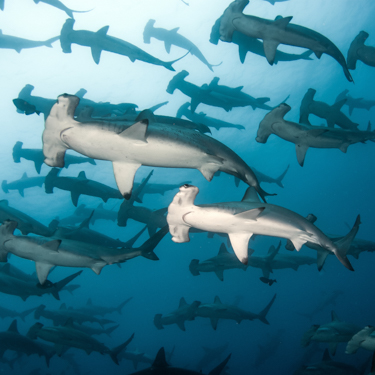
Then, it happened. A shadow, large and unmistakable, glided into view. A hammerhead shark, sleek and powerful, cruising effortlessly through the water. More followed, a whole school of these magnificent creatures. It was a thrilling, humbling experience, a reminder of the raw power and beauty of the natural world. The clarity of the water was incredible, allowing for unparalleled views of these apex predators.
Beyond the sharks, the underwater ballet continued. Graceful sea turtles floated serenely, their ancient eyes seemingly holding centuries of wisdom. Manta rays with their enormous wings, performed elegant underwater dances. Schools of colorful fish darted amongst the rocks, creating a vibrant tapestry of life. This Galapagos Islands wildlife encounter was more than just snorkeling; it was an immersion into an underwater Eden.
Sustainable Adventures on Isabela Island
Isabela Island, the largest in the Galapagos archipelago, is a land of volcanoes, lava fields, and diverse ecosystems. Eager to explore, I opted for sustainable tourism Galapagos options, seeking to minimize my impact while maximizing my experience. Kayaking through the mangrove forests proved to be an unforgettable adventure.
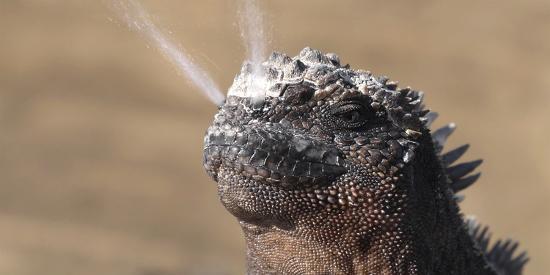
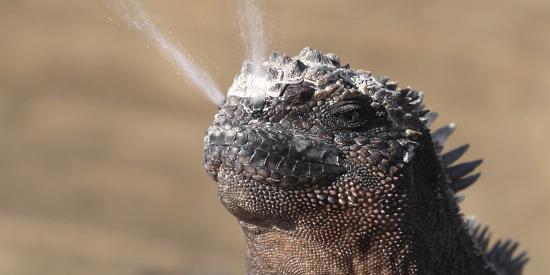
Paddling through the calm, turquoise waters, I was surrounded by a symphony of sights and sounds. Marine iguanas, prehistoric-looking reptiles, basked on the black volcanic rocks, absorbing the equatorial sun. Their dark silhouettes against the jagged landscape were striking. Overhead, blue-footed boobies, with their comical bright blue feet, perched in the mangrove branches, their distinctive calls echoing through the air. Sustainable Galapagos Islands tours with local guides are essential for responsible exploration.
The feeling of gliding through the mangroves, powered only by my own strength, was incredibly rewarding. It was a chance to connect with nature on a deeper level, to appreciate the delicate balance of this unique ecosystem. This experience underscored the importance of responsible travel tips for visiting the Galapagos Islands.
Witnessing Conservation at the Charles Darwin Research Station
A visit to the Charles Darwin Research Station on Santa Cruz Island offered a glimpse into the critical work being done to protect the islands’ fragile ecosystem. The station plays a vital role in conservation and scientific research. Here, I had the privilege of seeing giant tortoises, the iconic symbol of the Galapagos.
These gentle giants, some over a century old, lumbered slowly around their enclosures. The station is actively involved in breeding and raising tortoises, helping to repopulate endangered species. Witnessing this dedication to conservation was inspiring, reinforcing the importance of Galapagos Islands conservation efforts.
A Taste of the Galapagos: Ceviche de Canchalagua
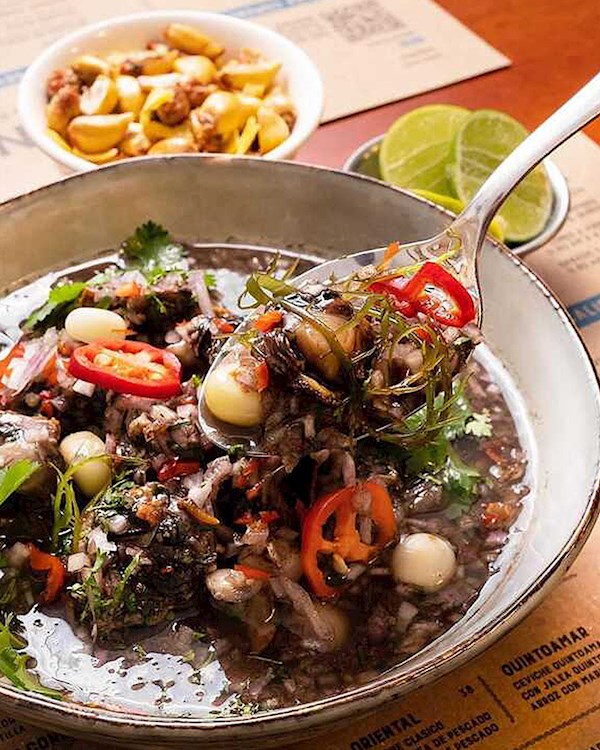
No trip is complete without indulging in the local cuisine. In the Galapagos, that means savoring the exquisite "ceviche de canchalagua," or black clam ceviche. This dish, a testament to the islands' fresh, local ingredients, is a culinary delight. I wanted to know what to eat in the Galapagos Islands authentic Ecuadorian cuisine.
Prepared with freshly caught black clams, diced Galapagos tomatoes, finely chopped onions, and a generous squeeze of lime, ceviche de canchalagua is a symphony of flavors. The clams, with their firm, slightly chewy texture, are incredibly fresh. The tomatoes, bursting with sweetness, provide a counterpoint to the tangy lime. The ceviche is not only delicious but also a refreshing treat in the equatorial heat. This Galapagos Islands local cuisine offered a unique cultural experience.
Hiking to the Summit of Sierra Negra Volcano
My adventurous spirit led me to the Sierra Negra volcano on Isabela Island. The hike to the caldera, one of the largest in the world, was a challenging but rewarding experience. The sheer scale of the volcano is awe-inspiring. Galapagos Islands Sierra Negra volcano offered breathtaking views.
As I ascended, the vegetation changed dramatically. From lush, green forests at the base to barren, volcanic landscapes near the summit, the transition was striking. The air grew thinner, and the smell of sulfur became more pronounced as I approached the caldera. The sight of sulfurous fumaroles emitting steam from the earth was a reminder of the powerful forces at play beneath the surface. Hiking Sierra Negra volcano Galapagos is a must-do for adventurous travelers.
Reaching the rim of the caldera, I was met with a view that defied description. The immensity of the crater, stretching for miles in every direction, was breathtaking. It was a humbling experience, a reminder of the insignificance of human existence in the face of geological time. I pondered how difficult is the hike to Sierra Negra volcano? It's challenging, but the views are worth it.
Viral Video Concept: Marine Iguana Salt Sneeze
Ever seen a marine iguana sneeze salt? It's a Galapagos spectacle you won't forget! Check out this clip:
(Video plays – as described in the prompt. Hook: Close-up of iguana's face with salt. Scene: 4K, high-speed shot, GoPro POV. Twist: Iguana sneezes, slow-motion replay. Text overlay: "Marine Iguanas: Living the Salty Life.")
"Meet the marine iguana: Galapagos' resident salty snorter. Life's tough when your diet consists of seaweed. Gotta get rid of that excess salt somehow! [Sneeze occurs] Ah, that's the stuff. Living the dream, one sneeze at a time."
This Galapagos Islands marine iguana sneezing video captures one of the most unique behaviors in the animal kingdom.
Planning Your Galapagos Adventure: Essential Tips
Planning a trip to the Galapagos requires careful consideration. Here are a few tips to help you make the most of your experience:
- Book in advance: Accommodation and tours fill up quickly, especially during peak season.
- Choose sustainable operators: Support businesses that prioritize environmental protection.
- Pack appropriately: Bring lightweight clothing, sunscreen, a hat, and comfortable walking shoes.
- Respect the environment: Follow the guidelines set by the Galapagos National Park.
What is the best time of year to visit Galapagos Islands for wildlife viewing? The Galapagos has year-round wildlife viewing opportunities, but the dry season (June-November) is ideal for seeing whales and dolphins, while the wet season (December-May) is best for nesting birds.
Galapagos Islands cruise vs land-based tour which is better? Cruises offer a more immersive experience, allowing you to visit multiple islands. Land-based tours are more budget-friendly and offer more flexibility.
Choosing Eco-Friendly Accommodation
Finding the right place to stay is also crucial for a sustainable tourism Galapagos experience. Many eco-lodges prioritize conservation and community involvement. Research where to stay in the Galapagos Islands for an eco-friendly vacation?
Farewell, Galapagos
My journey through the Galapagos Islands was an experience that will stay with me forever. From diving with hammerhead sharks to hiking up a volcano, every moment was filled with wonder and awe. These islands are a testament to the power of nature and the importance of conservation. As I left, I carried with me a renewed appreciation for the delicate balance of our planet and a commitment to protecting its precious biodiversity.
Ready to embark on your own Galapagos adventure? Book your Galapagos Islands tours today and experience the magic for yourself!