Galapagos Islands: A Marine Biologist's Perspect...
The Galapagos Islands, a volcanic archipelago straddling the equator, have long captivated scientists and nature enthusiasts alike. As a marine biologist specializing in avian species, I, Dr. Anya Sharma, recently embarked on a journey to these enchanted isles, eager to witness firsthand the unique wildlife and the critical conservation efforts underway. My trip was an immersive experience, from tagging giant tortoises to observing the mesmerizing courtship rituals of waved albatrosses. Join me as I recount my adventure, highlighting the incredible avian adaptations and the vital work being done to protect this fragile ecosystem.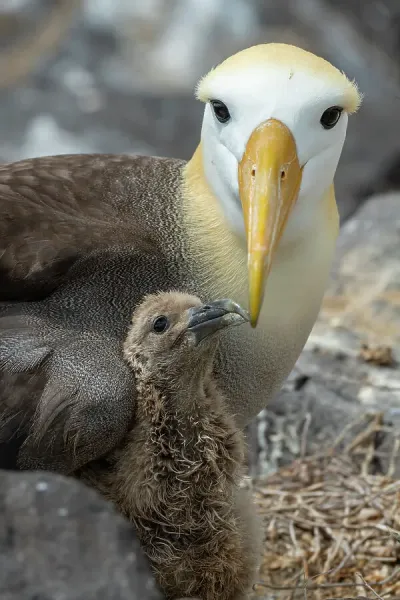
The landscape of the Galapagos Islands is unique, volcanic, and captivating. It is a landscape of wonder.
Arrival on Baltra Island and Initial Impressions
Touching down on Baltra Island, my first impression was one of stark contrast to the lush tropical imagery often associated with equatorial regions. The arid landscape, dotted with sparse vegetation and volcanic rock, was a testament to the islands' unique geological history. Baltra, once a US military base during World War II, serves as a primary entry point to the Galapagos. From here, a short ferry ride transported me to Santa Cruz Island, the heart of the archipelago and my base for the initial leg of my expedition.
Volunteering with the Galapagos Tortoise Movement Ecology Programme
One of the most rewarding experiences of my trip was volunteering for the Galapagos Tortoise Movement Ecology Programme on Santa Cruz Island. This crucial initiative focuses on understanding the migratory patterns and habitat use of the iconic giant tortoises, helping inform conservation strategies. My role involved assisting in the tagging and tracking of these gentle giants.
The process began with carefully approaching a tortoise in its natural habitat. Once located, the team delicately attached a GPS tracking device to the tortoise's carapace. This device allows researchers to monitor the tortoise's movements over extended periods, providing invaluable data on their migratory routes, feeding grounds, and breeding areas.
The insights gained from this program are profound. By understanding how tortoises utilize different habitats throughout the year, conservationists can identify critical areas that require protection. This knowledge is essential for mitigating threats such as habitat loss, invasive species, and climate change, all of which pose significant challenges to the long-term survival of these magnificent creatures. The ground finches on Santa Cruz Island also have varied beak sizes for different seed types. This adaptation is crucial for their survival, showing how evolution has shaped them for their environment.
Snorkeling at Isla Lobos: A Playful Encounter with Sea Lions
A snorkeling excursion to Isla Lobos offered a delightful encounter with the Galapagos sea lions. These playful marine mammals are abundant in the archipelago, and Isla Lobos, aptly named "Sea Lion Island," is a prime location for observing them in their natural habitat.
Upon entering the water, I was immediately greeted by a group of curious sea lions. Their sleek, streamlined bodies are perfectly adapted for aquatic life, allowing them to move with incredible agility and speed. They zipped around me, performing underwater acrobatics and seemingly inviting me to join their games. Their playful barks and inquisitive stares created an unforgettable experience. It was truly humbling to witness these creatures in their element, a testament to the unique biodiversity of the Galapagos.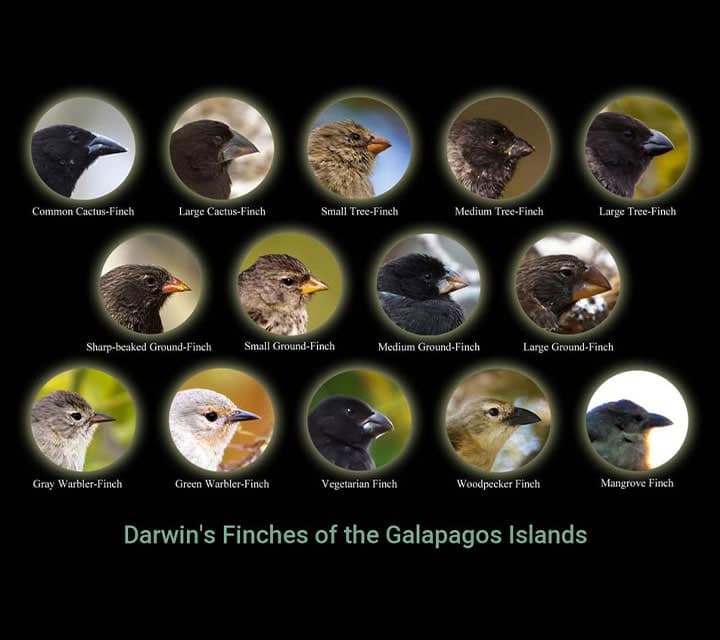
Galapagos Sea Lions are very playful and friendly, which makes for a great tourist attraction to snorkel with them.
Española Island: Witnessing the Waved Albatross Colony
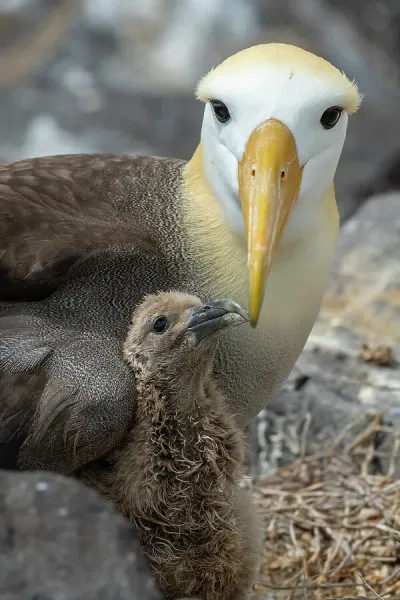
My visit to Española Island was particularly poignant, as it provided a glimpse into the challenges faced by the waved albatross colony. This island is the primary breeding ground for these magnificent birds, and witnessing their elaborate courtship rituals was a truly awe-inspiring experience. The waved albatross is the largest bird in the Galapagos.
However, the albatrosses are facing increasing threats due to plastic pollution and changing climate patterns. Plastic debris, ingested by both adults and chicks, can lead to malnutrition and death. Shifting climate patterns are also impacting their breeding grounds, with rising sea levels threatening nesting sites.
Conservation efforts on Española Island are focused on monitoring nesting success and addressing the threats to their breeding grounds. Researchers are working to remove plastic debris from the nesting areas and are studying the impact of climate change on the albatross population. The future of these majestic birds hangs in the balance, highlighting the urgent need for continued conservation efforts. The best time to visit Galapagos Islands is during the waved albatross breeding season on Española Island.
Hiking to the Summit of Bartolomé Island
A hike to the summit of Bartolomé Island offered a stunning panoramic view of the Galapagos landscape. This volcanic island is characterized by its iconic Pinnacle Rock, a towering geological formation that has become a symbol of the archipelago.
The hike to the summit is relatively short but steep, traversing a landscape of volcanic ash and lava formations. Along the way, I observed various volcanic features, including lava tubes and cinder cones, each telling a story of the islands' fiery past.
Reaching the summit, I was rewarded with breathtaking views of the surrounding islands and the turquoise waters below. The volcanic landscape, sculpted by millennia of geological activity, was a stark reminder of the raw power of nature.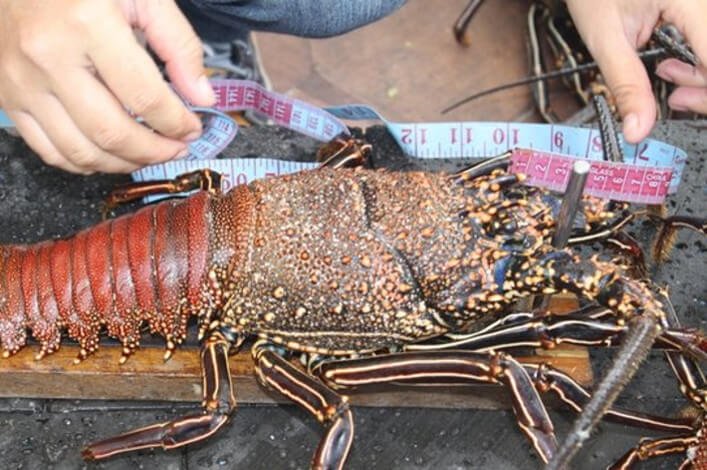
Hiking to the summit of Bartolomé Island rewards the visitor with breathtaking panoramic views of the surrounding islands and waters.
Genovesa Island: A Birdwatcher's Paradise
Genovesa Island, also known as Bird Island, is a haven for avian enthusiasts. Here, I had the opportunity to observe two fascinating bird species: the red-footed boobies and the short-eared owls.
The red-footed boobies are abundant on Genovesa, their distinctive red feet playing a crucial role in courtship displays. Watching these birds perform their elaborate mating rituals was a truly captivating experience. The cactus finch on Genovesa Island has a long beak for probing cactus flowers, a testament to the unique avian adaptations.
The short-eared owls, on the other hand, are skilled hunters, employing unique strategies to capture their prey. Unlike most owl species, they are active during the day, often seen hunting in the open fields. Their ability to navigate the volcanic landscape and locate their prey is a testament to their remarkable adaptations. The volcanic landscape of Genovesa Island influences the ecosystem, providing habitats for unique bird species.
A Taste of the Galapagos: Local Cuisine
No trip is complete without experiencing the local cuisine, and the Galapagos Islands offered a delightful array of fresh seafood dishes.
I particularly enjoyed the ceviche, made with locally sourced white fish, marinated in citrus juices and spices. The freshness of the fish was evident in every bite. Another standout dish was the arroz marinero (seafood rice), a flavorful combination of rice, shrimp, squid, and other seafood delicacies.
I also had the opportunity to try grilled Galapagos lobster. While the lobster was delicious, it raised concerns about the sustainability of fishing practices in the islands. It's crucial that sustainable fishing practices are in place to protect lobster populations and ensure the long-term health of the marine ecosystem.
Minimizing Your Environmental Impact: Actionable Advice for Future Visitors
The ethical considerations of wildlife tourism in such a fragile ecosystem are paramount. Responsible travel is essential for preserving the Galapagos Islands for future generations.
Here are some actionable steps that future visitors can take to minimize their environmental impact:
- Choose Eco-Friendly Tour Operators: Select tour operators committed to sustainable practices, such as reducing waste, conserving water, and supporting local communities. Look for certifications and accreditations that demonstrate their commitment to responsible tourism. Research ethical Galapagos Islands tour operators before booking your travels.
- Practice Responsible Waste Disposal: Dispose of waste properly, utilizing recycling facilities whenever possible. Avoid single-use plastics and opt for reusable water bottles, shopping bags, and containers.
- Use Reef-Safe Sunscreen: Protect marine life by using reef-safe sunscreen, free of harmful chemicals like oxybenzone and octinoxate. These chemicals can damage coral reefs and harm other marine organisms.
- Respect Wildlife: Maintain a safe distance from wildlife and avoid feeding animals. Human food can disrupt their natural diets and alter their behavior.
- Donate to Local Conservation Organizations: Support organizations like the Charles Darwin Foundation that work to protect the Galapagos Islands.
Beyond minimizing your impact, consider contributing to conservation efforts by donating to local organizations dedicated to preserving the Galapagos ecosystem. Every contribution, no matter how small, can make a difference.
In conclusion, my journey to the Galapagos Islands was an unforgettable experience, offering a unique glimpse into the wonders of evolution and the importance of conservation. By traveling responsibly and supporting conservation efforts, we can all play a role in protecting this precious ecosystem for generations to come. I highly recommend the best Galapagos Islands tours for bird lovers.