Galapagos Awakening: A Marine Biologist's Journa...
After a decade spent immersed in the controlled environment of the lab, analyzing data and theorizing about the wonders of marine life, I, Dr. Aris Thorne, finally embarked on a research sabbatical to the Galapagos Islands. My goal: to experience firsthand the evolutionary marvels that have captivated scientists and nature enthusiasts alike. This journal chronicles my seven days of exploration, a journey that rekindled my scientific curiosity and filled me with a profound appreciation for the delicate balance of life on these enchanted isles. This experience has reinforced my commitment to Galapagos Islands sustainable eco-tourism focused on marine wildlife preservation.
Day 1: Arrival on Baltra Island and transfer to Santa Cruz Island
The stark contrast between expectation and reality hit me the moment I stepped off the plane on Baltra Island. I had envisioned lush, tropical landscapes, but instead, I was greeted by an arid, almost desert-like environment dominated by dry scrub and volcanic rock. The equatorial sun beat down with an intensity I hadn’t anticipated, a constant reminder of the powerful forces shaping this unique ecosystem. The transfer to Santa Cruz Island offered glimpses of the iconic Galapagos flora and fauna, a preview of the wonders to come.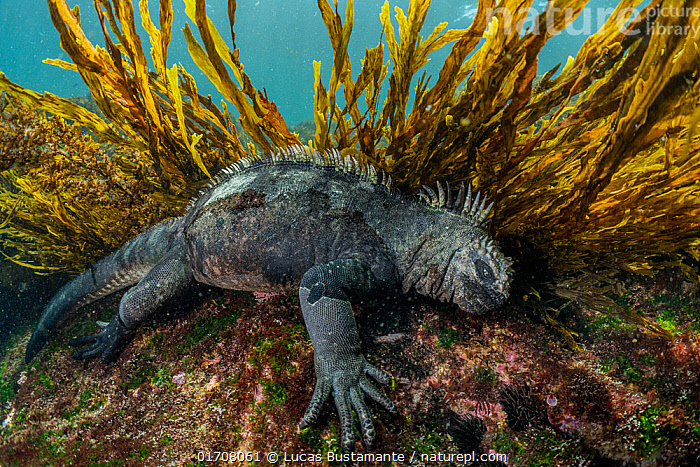
Day 2: Charles Darwin Research Station
My visit to the Charles Darwin Research Station was a humbling experience. I had the opportunity to speak with dedicated conservationists and researchers, individuals deeply committed to protecting the fragile Galapagos ecosystem. Observing the giant tortoises, particularly the descendants of the legendary Lonesome George, was incredibly moving. Their slow, deliberate movements and ancient eyes seemed to hold the wisdom of centuries.
The researchers emphasized the ongoing threats to the tortoise population, particularly from invasive species like feral goats and pigs, which compete for resources and destroy their habitat. This firsthand account highlighted the vulnerability of these iconic creatures and the urgent need for continued conservation efforts. This underscored the need to support Galapagos Islands conservation efforts through responsible tourism.
Day 3: Snorkeling at Punta Espinosa (Fernandina Island)
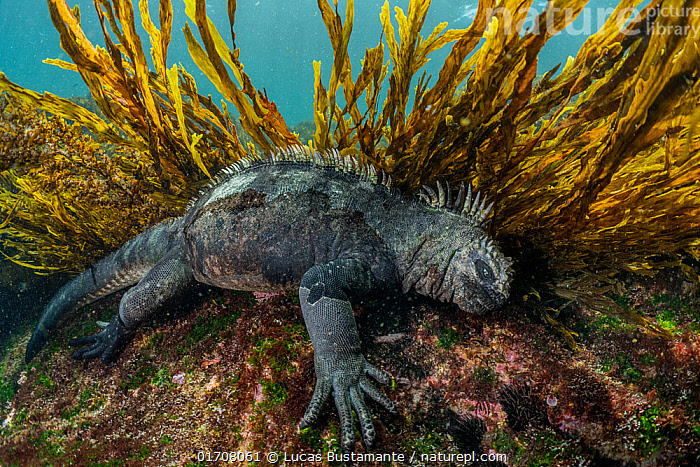
Nothing could have prepared me for the shock of the frigid water at Punta Espinosa. Despite the equatorial sun, the Humboldt Current keeps the waters surprisingly cold. But the discomfort was quickly forgotten as I found myself swimming alongside marine iguanas, the only lizard species in the world that forages in the ocean.
Watching these incredible creatures gracefully graze on algae underwater, their dark bodies blending seamlessly with the volcanic rock, was a surreal experience. The landscape itself was otherworldly, a stark, lunar-like expanse of black lava formations, a testament to the island's volcanic origins. This experience provided valuable insights into Darwin's theory within the Galapagos marine ecosystem.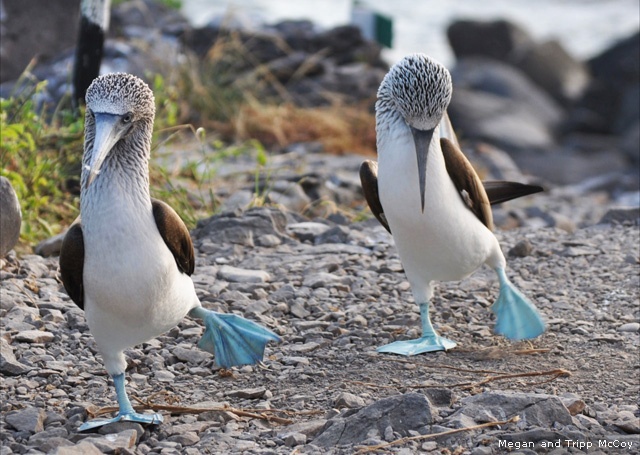
Day 4: Sierra Negra Volcano (Isabela Island)
The hike to the rim of the Sierra Negra Volcano on Isabela Island was physically demanding but immensely rewarding. The sheer scale of the caldera, one of the largest in the world, is difficult to comprehend. The otherworldly geological formations, a testament to the island’s volcanic activity, created a landscape that felt both ancient and alien.
The air was thick with the smell of sulfur, a constant reminder of the powerful forces at work beneath the surface. The fumaroles, vents releasing volcanic gases, served as a tangible link to the Earth's molten core. This volcanic activity profoundly impacts the island's ecosystem, creating unique habitats and shaping the evolution of its inhabitants.
Day 5: Blue-Footed Booby Courtship Rituals on North Seymour Island
Witnessing the Blue-Footed Booby courtship rituals on North Seymour Island was an absolute highlight. The male boobies' elaborate dance, showcasing their brightly colored feet, was a comical and captivating display. The contrast between this vibrant display and the surrounding dry scrubland was striking.
The males meticulously lift their blue feet, strutting and high-stepping to attract the attention of potential mates. The brighter the blue, the more attractive they appear. These birds primarily feed on fish, diving into the ocean from considerable heights. The booby population is currently stable, though susceptible to fluctuations in fish stocks. This ritual provided a fascinating glimpse into Galapagos Islands birdwatching.
Day 6: Deep-Sea Submersible Tour (Departing from Puerto Ayora)
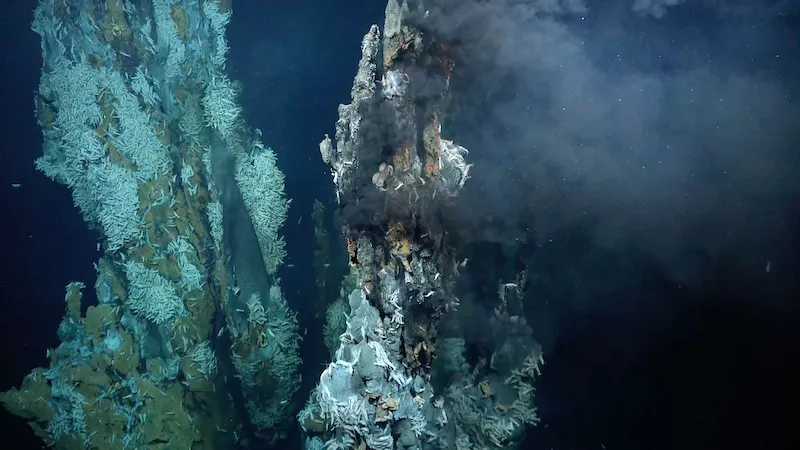
Descending into the depths aboard a deep-sea submersible was an unforgettable experience. Leaving from Puerto Ayora, we plunged into the inky blackness, leaving the familiar world behind. The underwater volcanic landscape was even more dramatic than I had imagined, with towering rock formations and bizarre deep-sea organisms clinging to the hydrothermal vents.
These vents, spewing superheated, mineral-rich water, support unique ecosystems that thrive in the absence of sunlight. We encountered several unexpected marine creatures, adapted to the extreme pressures and temperatures of the deep sea. The feeling of isolation, combined with the profound awe of witnessing such an alien world, left me speechless. Exploring through Galapagos Islands deep sea submersible tours offers a unique perspective. Is it ethical to visit the Galapagos Islands in a submersible? It's a question worth considering.
Day 7: Food and Departure
My Galapagos adventure concluded with a delightful culinary experience. I savored a meal of ceviche de canchalagua (black clam ceviche) and grilled wahoo, prepared simply with local herbs. The freshness of the ingredients was remarkable, a testament to the island's pristine environment.
Sourcing food on the islands presents unique challenges. The emphasis on sustainability is paramount, ensuring that local resources are managed responsibly. Before my departure I committed to supporting sustainable eco-tourism in the region. The ceviche de canchalagua specifically highlighted how Galapagos Islands ceviche de canchalagua is prepared using local and sustainable means.
Reflecting on my week in the Galapagos, I am struck by the resilience and adaptability of life in this unique corner of the world. From the marine iguanas grazing on algae to the finches with their specialized beaks, the Galapagos Islands offer a living laboratory for studying evolution in action. My sabbatical has reaffirmed my commitment to marine biology and ignited a renewed passion for conservation. I encourage all travelers to visit the Galapagos Islands responsibly, supporting local communities and protecting the fragile ecosystem for future generations.
Ready to experience the Galapagos Islands for yourself? Contact VistaLocation.com today to book your unforgettable adventure!