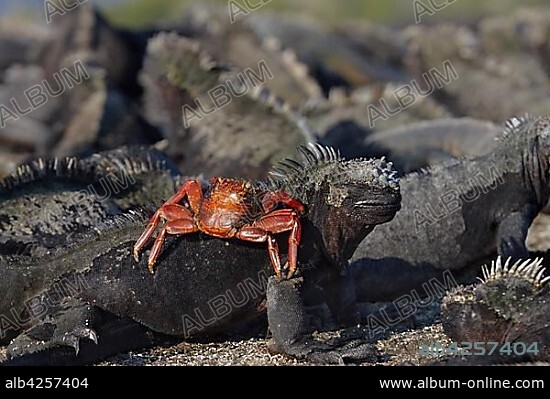
Galapagos: A Biologist's Perspective on Paradise...
My first trip to the Galapagos Islands was more than just a vacation; it was a three-month immersion into a living laboratory, a place where Darwin's theories come to life before your very eyes. As a 58-year-old marine biologist and conservationist, Dr. Aris Thorne, I came with a specific purpose: to study the Galapagos marine iguana research and assess the pervasive threat of microplastics on this fragile ecosystem. What I found was a paradise teetering on the brink, a place of unparalleled beauty and biodiversity facing unprecedented challenges. I hope to bring awareness of Galapagos conservation travel and show how deeply rewarding it can be to visit such a unique place responsibly. Join me as I share my experiences and insights from my time in the Enchanted Isles.
Marine Iguana Research on Fernandina Island
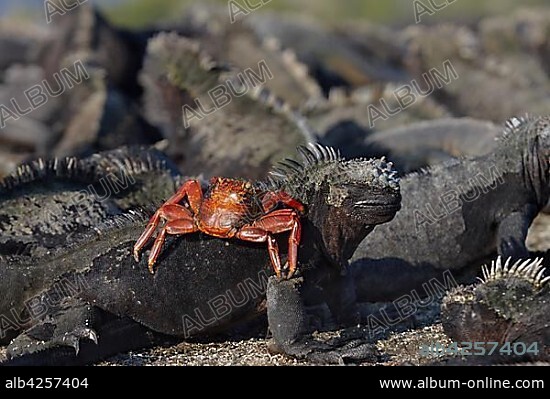
Fernandina Island, the youngest and westernmost island of the Galapagos archipelago, became my primary research location. The island's volcanic landscape, still actively forming, provides a stark yet stunning backdrop for studying the Galapagos marine iguana. My work focused on tagging these unique reptiles to track their migration patterns and understand their foraging behavior. It was a privilege to observe these animals in their natural habitat, watching them dive into the cold waters to graze on algae, a behavior found nowhere else on Earth. The goal of this Galapagos marine iguana research is to better understand the effects of climate change on food availability, and how it is impacting the iguanas ability to thrive.
Adapting to Marine Life
The marine iguana's adaptations to their marine lifestyle are remarkable. They have flattened tails for propulsion in the water, blunt snouts for scraping algae off rocks, and the ability to expel excess salt through specialized glands in their noses. Observing them huddling together on the black lava rocks, basking in the equatorial sun, was a constant reminder of the incredible power of evolution.
Microplastics and Española Island
Española Island, also known as Hood Island, served as a key site for another crucial aspect of my research: assessing the impact of microplastics pollution on the Galapagos ecosystem. Collecting water samples near the island's shores, I sought to determine the concentration of these insidious pollutants and their potential effects on marine life. Sadly, even in this remote paradise, the fingerprints of human activity are evident.
The Blue-Footed Booby Courtship Ritual
Española Island is also famous for its wildlife, particularly the blue-footed booby. Witnessing their courtship rituals was an unforgettable experience. The males perform an elaborate dance, lifting their bright blue feet in a high-stepping display to attract females. The vibrancy of their feet is a sign of good health and genetic fitness, a testament to the power of natural selection.
Ecotourism and Citizen Science Opportunities
The Galapagos Islands are a global model for responsible tourism, and there are ample opportunities for visitors to contribute to conservation efforts through citizen science Galapagos volunteering. Here are just a few examples:
Sea Turtle Nesting Surveys: On Santa Cruz Island, I participated in a survey to identify and protect sea turtle nests, helping ensure the survival of these vulnerable creatures.
Beach Cleanups: On San Cristobal Island, I joined a beach cleanup, collecting plastic bottles, fishing nets, and other debris that pose a threat to local wildlife. Seeing the sheer volume of trash washing ashore was a sobering reminder of the global plastic crisis.
Galapagos Sea Turtle Nesting Surveys Citizen Science
The Galapagos sea turtle nesting surveys citizen science projects are vital for protecting the nesting areas of these vulnerable species. This involves monitoring beaches, identifying new nests, and relocating them to safer areas if necessary. Tourists can participate in these surveys, contributing directly to the conservation of sea turtles.
Sustainable Food Practices
The Galapagos Islands face unique challenges in terms of food security. Importing food is essential, but it also carries the risk of introducing invasive species that could devastate the local ecosystem. Thankfully, there is a growing movement towards sustainable tourism Galapagos Islands and food production.
Organic Farming Outside Puerto Ayora
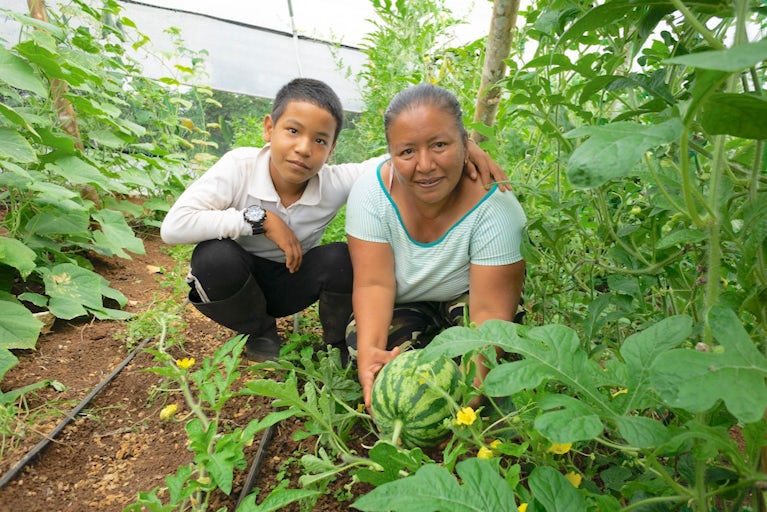
I had the opportunity to visit an organic farm outside Puerto Ayora, where local farmers are growing fresh produce to supply restaurants in the area. This reduces the need for imports and supports local communities. One restaurant I would highly recommend is 'El Rincon del Mar,' a family-run establishment in Puerto Ayora. Their "encocado de pescado" (fish stew in coconut sauce) is prepared with locally sourced ingredients and is an absolute delight.
'El Rincon del Mar' and Encocado de Pescado
The "Where to eat encocado de pescado in Santa Cruz Galapagos?" is a popular question, and El Rincon del Mar is the answer. The dish features succulent chunks of locally caught fish simmered in a rich, creamy coconut sauce flavored with onions, peppers, garlic, and a hint of cilantro. The flavors are both savory and sweet, with a subtle spice that perfectly complements the delicate fish. The texture is a delightful combination of tender fish and a velvety smooth sauce.
Landscapes of the Galapagos
The Galapagos Islands offer a stunning diversity of landscapes, from volcanic craters to pristine beaches.
Bartolomé Island: A Volcanic Masterpiece
Bartolomé Island's iconic Pinnacle Rock is a testament to the islands' volcanic origins. Climbing to the summit offered a panoramic view of the surrounding islands, a breathtaking reminder of the immense geological forces that shaped this archipelago. Visiting Bartolomé Island Galapagos with a biologist gives you the opportunity to learn more about the unique formations.
The Lava Tunnels of Santa Cruz
Exploring the lava tunnels of Santa Cruz Island was like stepping back in time. These underground passages were formed by flowing lava millions of years ago, creating a unique ecosystem that is home to a variety of specialized organisms. These tunnels are also significant in that they allow biologists to study geological changes and their effects on plant and animal life. Lava tunnels Santa Cruz Galapagos accessibility varies, so be sure to check with your tour operator before you go.
The Scalesia Forests of Isabela Island
Isabela Island, the largest in the archipelago, is home to the endemic scalesia forests. These unique forests, dominated by the scalesia tree, are vital for maintaining the island's ecosystem, providing habitat for a variety of endemic species. Scalesia forest Isabela Island biodiversity is incredibly rich and needs to be protected.
Galapagos Wildlife Encounters
The Galapagos Islands are renowned for their unique wildlife, and I had the privilege of observing many iconic species.
Galapagos Giant Tortoises in the Highlands of Santa Cruz
Encountering the Galapagos giant tortoise in the highlands of Santa Cruz was awe-inspiring. These gentle giants, some weighing over 500 pounds, are a symbol of the Galapagos. Conservation efforts have been instrumental in their recovery, but they still face threats from habitat loss and invasive species. It is worth learning about the best time of year to see Galapagos giant tortoises to ensure you have the best chance to spot them.
Galapagos Penguins Near Isabela Island
Seeing the Galapagos penguins near Isabela Island was a delightful surprise. These are the only penguin species found north of the equator, and they have adapted to the warm equatorial waters through unique physiological adaptations.
Darwin's Finches
Perhaps the most famous residents of the Galapagos are Darwin's finches. These small birds, with their diverse beak shapes, played a crucial role in Darwin's development of the theory of evolution by natural selection.
A Call to Action
The Galapagos Islands are a treasure worth protecting. As you consider your own journey, I urge you to travel responsibly and support conservation efforts. You can donate to the Galapagos Conservancy or participate in citizen science initiatives like identifying plastic pollution on your local beaches. Every action, no matter how small, can make a difference. The future of this paradise depends on our collective commitment to preservation.
By supporting Galapagos conservation travel, you contribute to the ongoing protection of this unique ecosystem and help ensure that future generations can experience the wonder of the Enchanted Isles. Dr. Aris Thorne invites you to explore the islands, respect their delicate balance, and become a part of the solution.