Funafuti: A Paradise Fading Before Our Eyes
The...
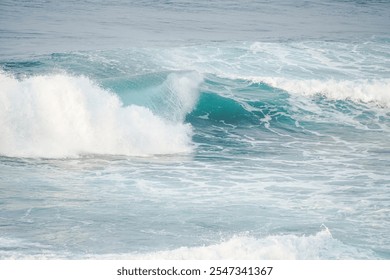
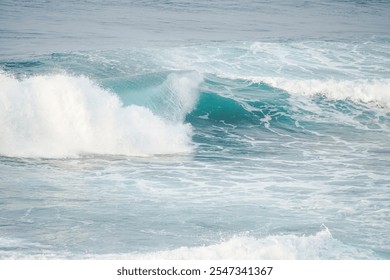
The ocean is beautiful, but here in Funafuti, it feels like it's slowly swallowing the land whole. This tiny atoll nation, a jewel in the vast expanse of the Pacific, is on the front lines of climate change. Funafuti, the capital of Tuvalu, might not exist for future generations. My recent trip wasn't just a vacation; it was a pilgrimage, a chance to witness a unique culture and landscape before they potentially disappear. "Tuvalu sinking island travel" is a stark reality, and I felt a profound sense of urgency to experience it firsthand. This travel guide details my adventure.
Experiencing the Culture of Funafuti
The humidity clung to me like a second skin as I stepped off the plane onto Funafuti's runway, which doubles as the island's main street. Life moves at a different pace here, a rhythm dictated by the tides and the rising sun. But it wasn't until I witnessed a fatele dance that I truly began to understand the heart of Tuvaluan culture.
The fatele is more than just a dance; it's a living history, a vibrant expression of Tuvaluan identity. The rhythmic drumming, a hypnotic pulse that resonated through the entire community, set the stage. Performers, adorned in vibrant costumes woven from pandanus leaves, moved with grace and precision. Each hand gesture, each sway of the body, told a story – tales of ancestors, of the sea, of the challenges and triumphs of island life. The fatele dance follows a distinct call-and-response structure, with a lead dancer initiating a movement and the chorus responding in unison. It's a communal experience, drawing everyone in with its energy. The air was thick with humidity, the sweet scent of coconut oil permeated the atmosphere, and the sound of laughter filled the night. It was truly one of the most moving cultural experiences I've ever had. These Funafuti cultural experiences are vital for tourism.
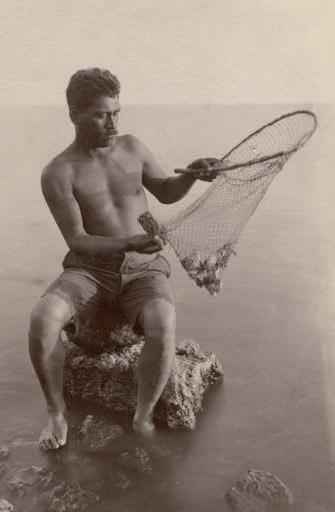
From the rhythmic energy of the fatele, I transitioned to the quiet concentration of a tikitiki fishing expedition. I joined a group of local fishermen as they headed out to the reef in their outrigger canoes. Tikitiki fishing tour Funafuti price is a very low cost relative to the insight you gain from this experience. These techniques have been passed down through generations, relying on a deep understanding of the ocean's currents and the behavior of fish. I was struck by their profound respect for the ocean's resources. They only took what they needed, always mindful of preserving the delicate balance of the ecosystem.
The fishermen used hand-made nets and traditional spears to catch various reef fish. After a successful morning, we returned to shore, where they cleaned and prepared the catch. The most unforgettable moment came when they offered me a piece of raw fish, freshly caught and still glistening with the ocean's essence. The taste was surprisingly delicate and refreshing, a pure taste of the sea. It was a stark contrast to the processed foods I'm used to, a reminder of the simple, sustainable way of life that defines Funafuti. What are the cultural traditions of Funafuti Tuvalu? They are simple but deep and tied intrinsically with the environment.
Exploring the Landscape: Beauty and Vulnerability
The sheer beauty of Funafuti is breathtaking. Turquoise waters stretch out to the horizon, meeting a seemingly endless sky. Vibrant coral reefs teeming with colorful fish lie just beneath the surface, a kaleidoscope of life. But this paradise is fragile, a narrow strip of land barely above sea level. The stark contrast between the vibrant marine life and the limited arable land is a constant reminder of the island's vulnerability.

The homes here are built incredibly close to the ocean, a testament to the Tuvaluan people's deep connection to the sea, but also a worrying sign of the encroaching tides. Walking along the beach, I was struck by the proximity of houses to the water's edge. You can almost feel the ocean's breath, a constant reminder of its power. The Funafuti climate change tourism experience is a very unique one.
Adding another layer of complexity to the landscape are the remnants of World War II. Rusting hulks of vehicles and other World War II relics Tuvalu are scattered across the island, silent witnesses to a conflict that touched even this remote corner of the world. Their presence is unsettling, a stark juxtaposition of the natural beauty and the scars of human conflict. You can even check out Funafuti lodging near historical sites. Seeing these relics slowly being reclaimed by the ocean is a powerful metaphor for the challenges Funafuti faces today.
Savoring the Flavors of Tuvalu
The food in Funafuti is as simple and authentic as the island itself. Freshness is key, with ingredients sourced directly from the ocean and the limited land available.
Grilled reef fish prepared with fresh coconut cream was a staple during my visit. The simplicity of the dish allowed the natural flavors to shine through. The fish was cooked to perfection, flaky and moist, and the coconut cream added a subtle sweetness that perfectly complemented the salty tang of the sea. Tuvalu local food tour guides will show you all the best foods.
One of my favorite experiences was drinking freshly harvested coconut water straight from the husk. The taste of the tropics, a subtle sweetness with a refreshing quality that quenched my thirst and revitalized me after a long day of exploring. The simple act of drinking from a coconut became a symbol of the island's resourcefulness and connection to nature.
Last Chance Tourism & A Call to Action
"Tuvalu last chance tourism" is more than just a trend; it's a reality. As sea levels rise, places like Funafuti face an existential threat. It is important to visit respectfully. Responsible travel is crucial. This means supporting local businesses, respecting the culture, and minimizing your environmental impact. How can I travel to Funafuti responsibly? Here are some tips:
- Choose locally owned accommodations and restaurants.
- Participate in eco-friendly tours and activities.
- Respect local customs and traditions.
- Reduce your waste and avoid single-use plastics.
- Learn a few basic Tuvaluan phrases.
- Leave only footprints.
Consider supporting organizations working to combat climate change in the Pacific Islands. Here are a few examples:
- The Tuvalu Coastal Adaptation Project (TCAP) [https://www.thegef.org/projects/tuvalu-coastal-adaptation-project-tcap] works to enhance Tuvalu’s resilience to climate change impacts. You can donate to support their efforts.
- 350 Pacific https://350.org/ is a grassroots climate movement in the Pacific.
Offset your carbon emissions associated with your travel to Funafuti. There are many reputable carbon offsetting programs available online. You can even look up Funafuti travel packages ethical tourism.
Visiting Funafuti is a privilege and a responsibility. It's a chance to witness a unique culture and landscape before they are potentially lost forever. Go now, and go consciously. This is a paradise lost travel blog, an urgent call to action. You can support local conservation in Tuvalu tourism by going on an eco-friendly tour.