Fueling Focus: Fermented Foods & Remote Work in...
Are you a digital nomad dreaming of Seoul, juggling deadlines with a side of kimchi cravings? Balancing remote work with exploring new cultures can be exhilarating, but maintaining focus and energy while constantly on the go requires strategic fuel. Enter Korean fermented foods: a powerhouse of probiotics and nutrients that can revolutionize your gut health and boost your cognitive function. This isn't just about delicious cuisine; it's about optimizing your body and mind for peak performance as you navigate the vibrant landscapes and bustling cafes of South Korea. Whether you're looking to understand Kimchi benefits, discover new Doenjang recipes, or spice up your life with Gochujang dishes, this guide will help you master the digital nomad diet in South Korea.
Kimchi: More Than Just Spicy Cabbage
Kimchi is the cornerstone of Korean cuisine, a fermented side dish that’s as varied as the regions and families who create it. While often recognized for its spicy kick, kimchi offers a spectrum of flavors and textures.
- Baechu Kimchi: Perhaps the most iconic, this variety features Napa cabbage, seasoned with gochugaru (Korean chili powder), garlic, ginger, scallions, and jeotgal (fermented seafood).
- Kkakdugi Kimchi: Made with cubed radish, this kimchi boasts a satisfying crunch and a slightly sweeter flavor compared to Baechu kimchi.
- Nabak Kimchi: A water-based kimchi, Nabak Kimchi is a refreshing and mild option, typically made with thinly sliced radish and cabbage in a light, slightly sweet broth.
The health benefits of kimchi are substantial. The fermentation process creates a wealth of probiotics, beneficial bacteria that aid digestion. These probiotics support a healthy gut microbiome, which is crucial for nutrient absorption and immune function. Studies have also linked regular kimchi consumption to improved cholesterol levels and reduced inflammation.
Kimchi's history is a fascinating blend of royal refinement and peasant practicality. Originating as a method of preserving vegetables for the winter months, early forms of kimchi were simpler, relying on salt and basic spices. Over time, it evolved into the complex and diverse culinary art form we know today. While once a staple of royal cuisine, kimchi quickly became a ubiquitous peasant food, ensuring sustenance throughout the harsh Korean winters.
Doenjang Deep Dive
Doenjang, often described as the "Korean miso," is a fermented soybean paste that forms the backbone of many Korean dishes. Its flavor profile is deeply umami, with savory and earthy notes that add depth and complexity to any recipe.
Doenjang's culinary versatility is undeniable. It’s a key ingredient in stews like Doenjang Jjigae, a hearty and flavorful soup that is a staple in Korean households. It's also used to season vegetables, marinades, and dipping sauces.
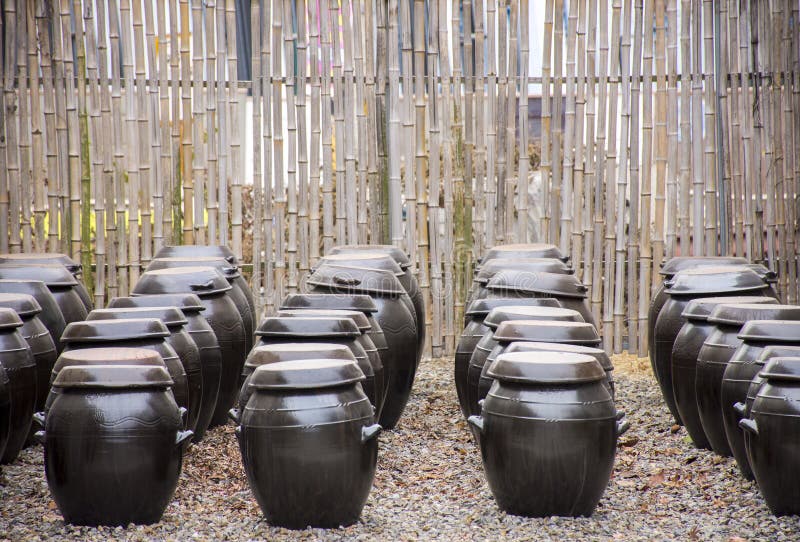
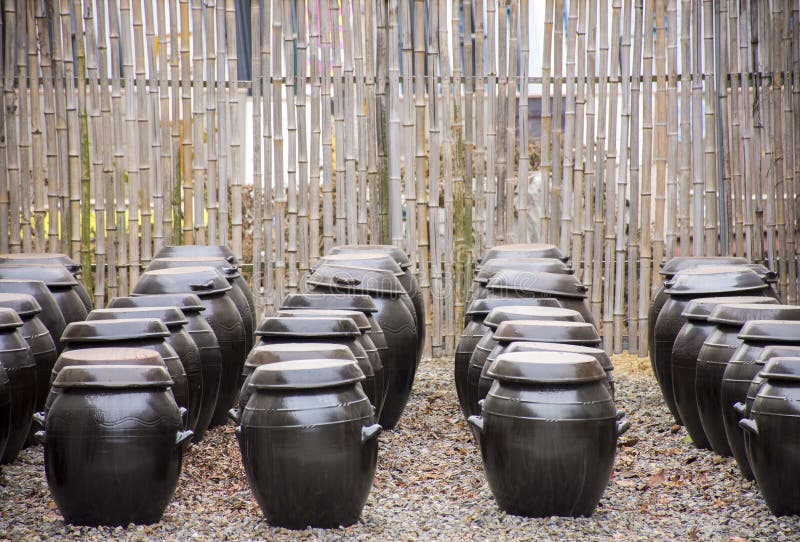
The traditional fermentation process of Doenjang is a time-honored tradition. Soybeans are first cooked and formed into blocks called meju. These meju are then dried and fermented in Onggi pots, large earthenware vessels that allow the paste to breathe and develop its unique flavor over several months or even years. The porous nature of the Onggi pots allows for optimal air circulation and temperature control, contributing to the distinct taste and texture of Doenjang.
Gochujang's Fiery Charm
Gochujang is a fermented red chili paste that brings a fiery kick and a complex flavor to Korean cuisine. The spice level of Gochujang varies depending on the amount of gochugaru used, but can range from relatively mild to intensely spicy, often measured in Scoville units. While exact Scoville ratings aren't always specified, commercially produced Gochujang typically falls in the range of 400 to 1,000 SHU (Scoville Heat Units).
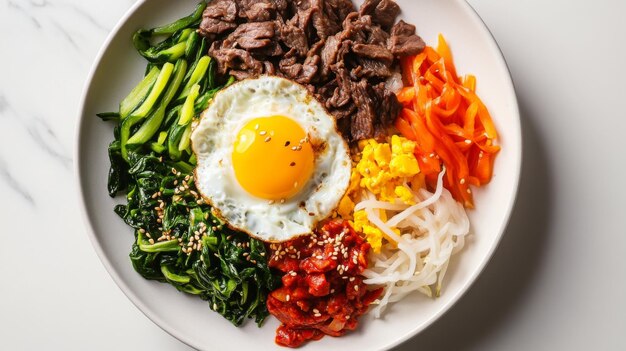
Gochujang dishes are plentiful and offer a range of culinary experiences. Bibimbap with a generous dollop of Gochujang is a classic, providing a balanced mix of flavors and textures. Tteokbokki, spicy rice cakes simmered in Gochujang sauce, is a popular street food that is both comforting and intensely flavorful.
Want to try making your own? Here's a simplified, beginner-friendly recipe for homemade Gochujang using readily available ingredients:
Ingredients:
- 1 cup gochugaru (Korean chili powder)
- 1/2 cup sweet rice flour
- 1/4 cup doenjang (Korean soybean paste)
- 1/4 cup maple syrup or honey
- 1/2 cup water
Instructions:
- In a bowl, whisk together the sweet rice flour and water until smooth.
- In a saucepan, heat the rice flour mixture over medium heat, stirring constantly until it thickens into a paste.
- Remove from heat and let it cool completely.
- In a large bowl, combine the cooled rice flour paste, gochugaru, doenjang, and maple syrup or honey.
- Mix well until all ingredients are thoroughly combined.
- Transfer the Gochujang to an airtight container and let it ferment in a cool, dark place for at least 1 week, or up to several months, for a more complex flavor. The longer it ferments, the deeper and more intense the flavor will become.
The Digital Nomad's Diet: Gut Health and Cognitive Function
For digital nomads, maintaining peak performance requires more than just strong Wi-Fi. Your diet plays a critical role in your energy levels, focus, and overall well-being. Incorporating Korean fermented foods into your diet can significantly improve your gut health, which, in turn, can boost your cognitive function.
The gut-brain axis is a complex communication network connecting your digestive system and your brain. A healthy gut microbiome, populated by beneficial bacteria, influences the production of neurotransmitters like serotonin and dopamine, which play a crucial role in mood regulation, focus, and cognitive clarity. By consuming probiotic-rich foods like kimchi, doenjang, and gochujang, you can nourish your gut microbiome and support optimal brain function.
Studies have shown a strong link between gut health and mental clarity. Research suggests that imbalances in the gut microbiome can contribute to brain fog, fatigue, and even anxiety and depression. By prioritizing gut health through a diet rich in fermented foods, digital nomads can combat these issues and unlock their full cognitive potential. Embrace the digital nomad diet by adding these powerful fermented foods to your meal planning.
Packing Essentials: Downloadable Checklist
Ready to embark on your Korean culinary adventure? Make sure you're prepared with this essential packing checklist:
- Chopsticks
- Insulated water bottle
- Universal adapter
- Korean phrasebook
- Stomach remedies (for adjusting to new foods)
Download the full printable checklist here!
Level Up Your Culinary Skills
Want to dive deeper into the world of Korean cuisine? Check out Korean Cooking Academy Online for comprehensive online Korean cooking classes. (Affiliate Link)
In conclusion, integrating Korean fermented foods into your digital nomad diet is a powerful strategy for boosting your productivity, enhancing your focus, and experiencing the rich culinary heritage of South Korea. Embrace the Kimchi benefits, explore the depths of Doenjang recipes, and add a Gochujang kick to your meals. Your gut and your brain will thank you! And don't forget to share your own #DigitalNomadEats adventures with us on social media! #KoreanFermentedFoods #KimchiLove #DoenjangMagic #GochujangSpice #WorkFromSeoul