From Skeptic to Supporter: Discovering Raja Ampa...
For years, I approached diving tourism with a healthy dose of skepticism. The allure of exploring pristine reefs often felt at odds with the potential damage caused by careless divers and unsustainable practices. My recent liveaboard experience in Raja Ampat, Indonesia – a place renowned for its unparalleled marine biodiversity within the Coral Triangle – completely shattered my preconceived notions. It wasn't just the breathtaking underwater landscapes or the incredible encounters with unique marine life that changed my perspective; it was the unwavering dedication of the local Papuan communities actively safeguarding their precious natural heritage. This is a story of transformation, of witnessing firsthand how diving tourism, when driven by local guardians, can be a powerful force for conservation and community empowerment in Raja Ampat.
Diving Raja Ampat: A Symphony of Life
Raja Ampat, located in West Papua, is an archipelago of over 1,500 islands, islets, and shoals. It’s a diver's paradise, boasting some of the richest marine biodiversity on the planet. My initial dive near Arborek Island was nothing short of magical.
Encounters with Wobbegong Sharks
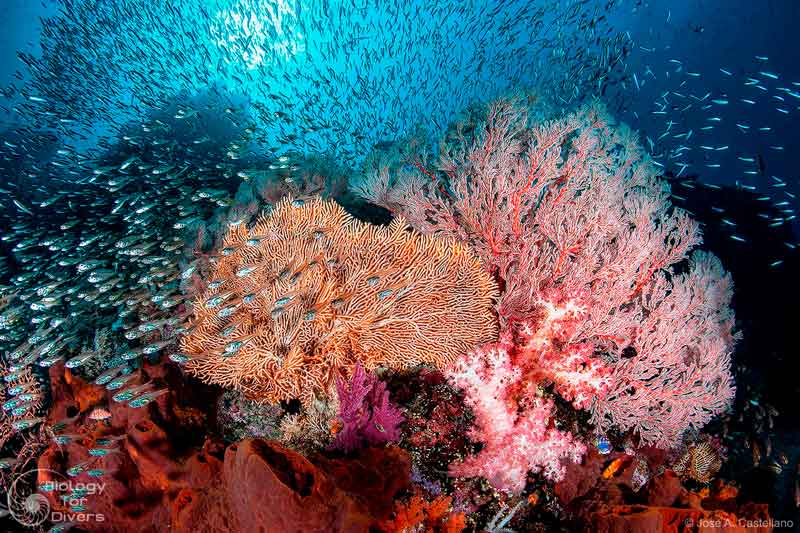
The visibility was exceptional, easily exceeding 30 meters. Within minutes, I spotted my first Wobbegong shark, a master of camouflage perfectly blending into the coral-covered seabed. These docile creatures, also known as carpet sharks, were surprisingly abundant, adding an element of intrigue to every dive. The vibrant coral gardens surrounding Arborek, teeming with colorful reef fish, were a testament to the area's health and resilience.
Manta Sandy: A Ballet of Giants
The next highlight was undoubtedly Manta Sandy, a renowned manta ray cleaning station. As we descended, the anticipation was palpable. Soon enough, these majestic creatures appeared, gracefully gliding through the water to be cleaned by wrasses and other small fish. It was an awe-inspiring spectacle, a true ballet of giants. Witnessing these gentle giants up close, in their natural habitat, reinforced the importance of protecting their fragile ecosystem.
Melissa's Garden: Home to the Pygmy Seahorse
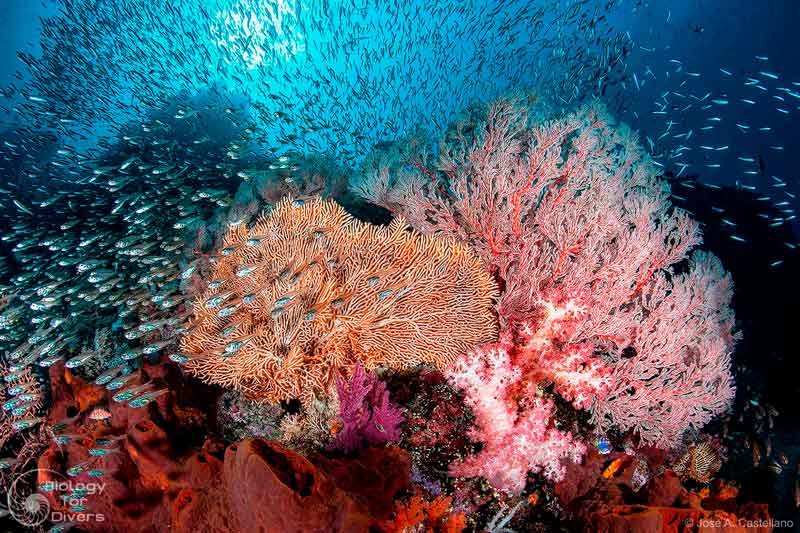
Melissa's Garden, a shallow reef known for its exceptional coral diversity, was another unforgettable experience. Here, I had the privilege of spotting several pygmy seahorses, tiny and perfectly camouflaged against the gorgonian corals. These miniature marvels are a testament to Raja Ampat's intricate web of life and the delicate balance that sustains it. Melissa's Garden highlights the Raja Ampat marine biodiversity conservation travel initiatives that are helping to protect the ocean.
Immersion in Papuan Culture on Gam Island
Beyond the captivating underwater world, my liveaboard experience included a village stay on Gam Island, providing a unique opportunity to immerse myself in local Papuan culture.
A Culinary Journey: Papeda and Ikan Bakar
The highlight of our visit was undoubtedly the shared meals with the community. I had the opportunity to try Papeda, a staple food made from sago starch. Its gelatinous texture took some getting used to, but when paired with Ikan Bakar (grilled fish with sambal), it became a surprisingly delicious and culturally significant dish. The preparation of Papeda is a communal activity, reflecting the strong sense of togetherness within the Papuan community. Learning about the local customs showed me how to travel to Raja Ampat responsibly.
Piaynemo and Wayag: Landscapes That Inspire Awe
No trip to Raja Ampat is complete without experiencing the breathtaking landscapes of Piaynemo and Wayag. These iconic locations showcase the region's unique geological formations and resilient ecosystems.
Karst Islands and Mangrove Resilience
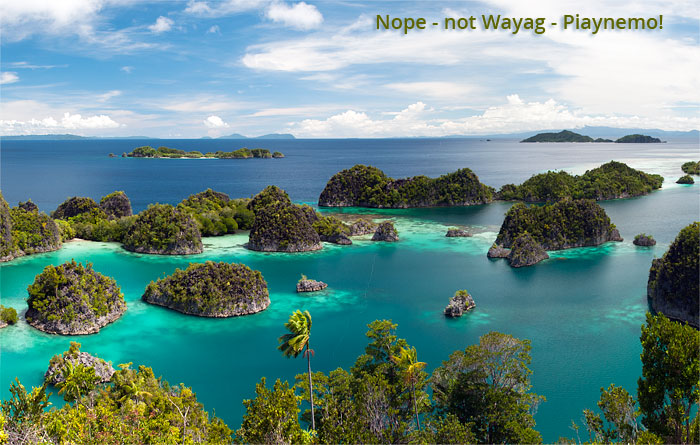
Piaynemo and Wayag are characterized by their jagged karst islands rising dramatically from the turquoise waters. Climbing to the viewpoints offered panoramic vistas of these stunning landscapes, a visual feast that words simply cannot capture. Equally impressive were the resilient mangrove forests clinging to the limestone cliffs, playing a vital role in protecting the coastline from erosion and providing habitat for countless marine species. These protected areas are some of the best dive sites Raja Ampat has to offer.
The Papuan Guardians: Champions of Conservation
While the natural beauty of Raja Ampat is undeniable, the true revelation of my trip was witnessing the grassroots conservation efforts spearheaded by the local Papuan communities. These communities, deeply connected to the ocean, are actively combating the challenges of plastic pollution and destructive fishing practices that threaten their livelihoods and the health of the reefs.
Combating Plastic Pollution: A Community Effort
Plastic pollution is a global problem, and Raja Ampat is not immune. However, the local communities are tackling this issue head-on through regular beach cleanups and educational programs aimed at reducing plastic consumption. Seeing villagers meticulously collecting plastic debris along the shoreline was a powerful reminder of their commitment to preserving their environment. This is one way in which Raja Ampat island hopping can have a positive impact on the environment.
Sustainable Fishing Practices: Protecting Livelihoods
Destructive fishing practices, such as blast fishing and the use of cyanide, pose a significant threat to Raja Ampat's coral reefs. To combat this, local communities are implementing sustainable fishing programs, promoting responsible fishing techniques, and establishing marine protected areas where fishing is restricted. These initiatives not only protect the reefs but also ensure the long-term sustainability of the local fishing industry.
Reef Restoration Projects: Rebuilding Damaged Ecosystems
One of the most inspiring examples of local conservation efforts was the reef restoration projects I witnessed near Arborek Island. Papuan villagers were actively transplanting coral fragments onto damaged reefs, painstakingly rebuilding these vital ecosystems. The dedication and knowledge of these local conservationists were truly remarkable.
Supporting Local Initiatives: A Call to Action
The conservation efforts in Raja Ampat are making a real difference, but they need our support. You can contribute to these vital initiatives by donating to local conservation organizations like Conservation International or Misool Foundation, or by volunteering your time and skills. Supporting local guides and businesses that prioritize sustainability is another way to make a positive impact during your visit. By actively supporting these efforts, you can help ensure that Raja Ampat's reefs continue to thrive for generations to come. Supporting Raja Ampat local conservation initiatives is a great way to improve the marine environment.
A Shift in Perspective: Embracing Sustainable Diving Tourism
My experience in Raja Ampat completely transformed my perspective on diving tourism. I arrived a skeptic, concerned about the potential negative impacts on the marine environment. I left with a newfound admiration for the local Papuan communities and their unwavering commitment to protecting their natural heritage. Raja Ampat showed me that diving tourism can be a powerful force for conservation when driven by local communities deeply invested in preserving their marine environment. By choosing sustainable tour operators, supporting local initiatives, and respecting local customs, we can all contribute to the long-term health and well-being of Raja Ampat's reefs and the communities that depend on them. Make sure to check reviews to learn about ethical dive trip experiences in Raja Ampat before booking your travel.
Raja Ampat's Message: Dive Responsibly, Conserve Actively
My journey from skeptic to supporter in Raja Ampat taught me a valuable lesson: responsible tourism can be a catalyst for positive change. By embracing sustainable practices and supporting local communities, we can explore the wonders of our planet while ensuring their preservation for future generations. Raja Ampat is a shining example of how diving tourism, when done right, can empower local communities, protect marine ecosystems, and create a truly transformative travel experience. Plan your trip to Raja Ampat responsibly and contribute to the ongoing conservation efforts.