From Igloos to Inns: An Inuit Chef's Culinary Jo...
As an Inuk chef hailing from Nunavut, my culinary journey has always been deeply intertwined with the land, the sea, and the traditions passed down through generations. When I was invited to participate in a chef-in-residence program at the Fogo Island Inn, I knew it was a unique opportunity to bridge two distinct yet equally fascinating cold-climate cuisines: Inuit and Newfoundland. The Fogo Island Inn truly showcases sustainable dining Newfoundland, and I knew I wanted to be a part of that. My experience was nothing short of transformative, challenging me to adapt my traditional Inuit culinary techniques to the Inn's hyper-local sourcing model, while also learning to appreciate and preserve the unique culinary heritage of Newfoundland and Labrador. This is the story of my journey into the realm of Inuit Chef Fogo Island.
Embracing Hyper-Local: A New Culinary Landscape
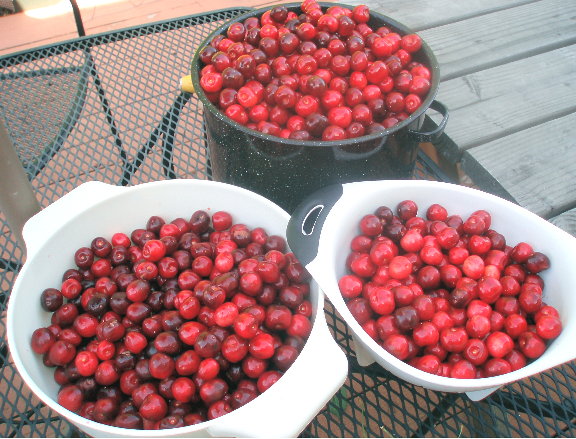
The Fogo Island Inn stands as a testament to the power of hyper-local sourcing. Everything, from the building materials to the ingredients in the kitchen, is sourced from the island itself. This commitment to sustainability resonated deeply with my own Inuit values, where respect for the land and its resources is paramount. Foraging for bakeapples (cloudberries), partridgeberries, and wild blueberries became a daily ritual, each with its unique sweet, tart, and earthy notes.
The sweetness of the bakeapples, almost like a honeyed raspberry, was particularly captivating. One morning, while out with a group from the Inn, foraging for these golden berries, one of the staff, a young woman named Marie, said to me, “These berries are like liquid sunshine, Sheila. You can almost taste the salt air in them.” That phrase stuck with me. The connection to the land, to the very air we breathed, was palpable in every ingredient. This is why Fogo Island Foraging Tours are one of the best ways to connect to the local food.
Seal Flipper Pie: A Culinary Bridge
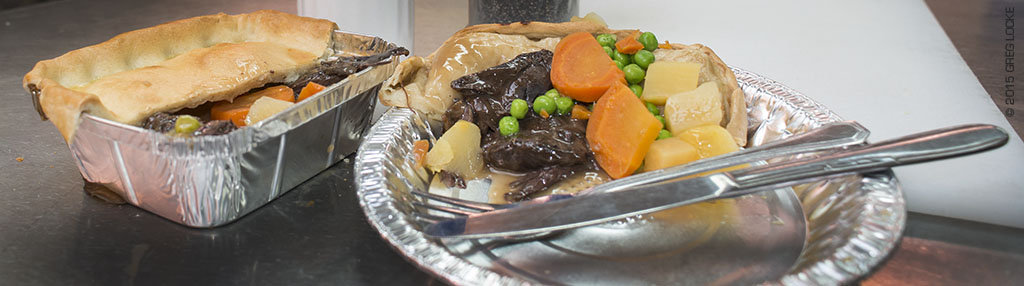
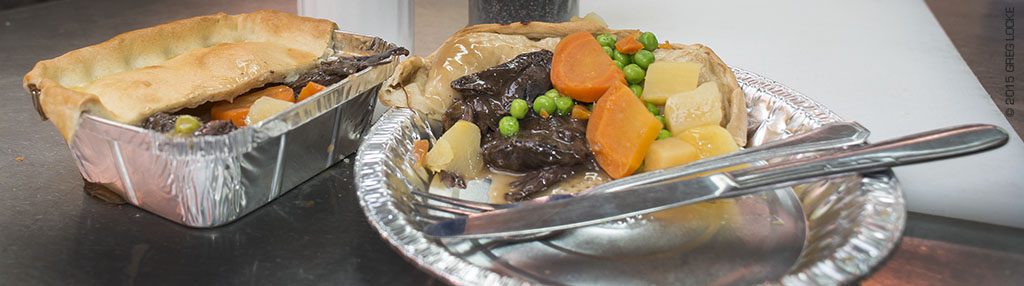
One of the most intriguing challenges was adapting my family’s recipe for Seal Flipper Pie to the Inn’s modern kitchen and using locally sourced seal. In Inuit culture, seal is a vital source of sustenance, and every part of the animal is used respectfully. Seal Flipper Pie, a traditional dish, is a testament to this resourcefulness.
The Inn was able to source sustainably harvested seal from local hunters, ensuring that the practice remained respectful and responsible. I adapted my family recipe, incorporating Newfoundland spices and root vegetables to complement the rich flavor of the seal. This dish became a powerful symbol of cultural exchange, bridging Inuit tradition with Newfoundland ingredients, showcasing the incredible versatility of Traditional Inuit Cooking Techniques.
The Art of Cold Smoking: Arctic Char Transformed
Arctic Char is another staple in Inuit cuisine. Back home in Nunavut, we have perfected the art of cold smoking to preserve and enhance its delicate flavor. At the Inn, I had the opportunity to share this technique, smoking locally caught Arctic Char over birch wood for 72 hours.
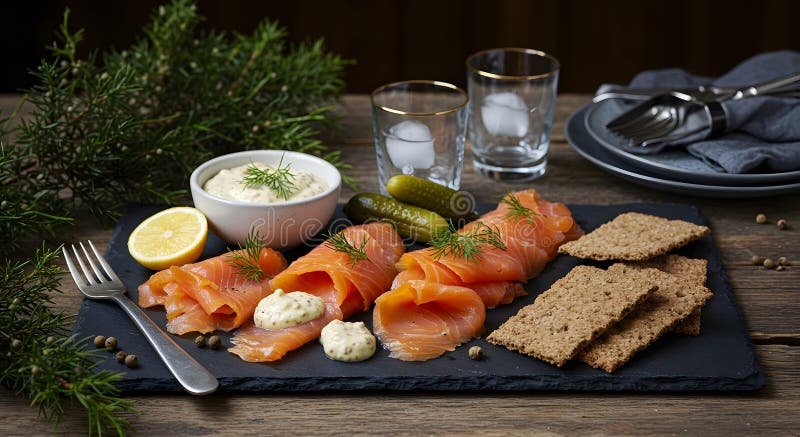
The result was a revelation. The slow, cold smoke infused the char with a subtle, earthy aroma that was unlike any conventionally smoked fish I had tasted. The traditional Inuit method yields a fish that is firm, yet tender, with a clean, almost sweet flavor profile. I wanted to use Arctic Char Newfoundland Sustainable in a way that paid homage to my heritage.
The Wisdom of the Islanders: Learning from Tradition
My time at Fogo Island Inn was not just about sharing my culinary expertise; it was also about learning from the local community. I had the privilege of spending time with Fogo Islanders, hearing their stories and witnessing their deep connection to the sea.
One memorable afternoon, I joined Mr. Joe Decker, a local fisherman, on his boat. He showed me how to catch cod using handlines, a sustainable practice that has been passed down through generations. "It's about respecting the fish and the ocean," Joe told me, his weathered hands skillfully maneuvering the line. "We only take what we need, and we make sure there's plenty left for future generations." Joe is an example of the amazing people who make up Nunavut Chef Canada.
I also spent time with Mrs. Bridget Dwyer, a local farmer who supplies the Inn with organic vegetables. She showed me how she sustainably harvests seaweed to use as fertilizer in her garden. "The seaweed adds minerals and nutrients to the soil, making the vegetables taste even better," she explained, her eyes twinkling with pride. These interactions reinforced the importance of sustainable practices and the value of traditional knowledge. This also highlighted the incredible Inuit Culinary Heritage Canada.
A Culinary Legacy: Preserving Cultural Traditions
The Fogo Island Inn is more than just a luxury accommodation; it is a place where cultural traditions are celebrated and preserved. The Inn's commitment to working with local fishermen like Mr. Joe Decker, who provides sustainably caught cod, and farmers like Mrs. Bridget Dwyer, who supplies organic vegetables, ensures that the unique culinary heritage of Newfoundland and Labrador is not only sustained but also shared with the world.
Why Fogo Island Inn for Culinary Adventurers?
I encourage you to visit Fogo Island Inn not just for the luxurious accommodations, but to experience and support the preservation of Newfoundland and Labrador’s unique culinary heritage and cultural traditions, particularly those of the Inuit people. The Fogo Island Inn Culinary Experience is like no other.
- Discover Unique Flavors: Embark on a culinary adventure with dishes like Seal Flipper Pie (a modern adaptation) and Arctic Char smoked using traditional Inuit methods.
- Support Sustainable Practices: Indulge in a hyper-local dining experience that supports local fishermen, farmers, and foragers.
- Immerse Yourself in Culture: Learn about the unique culinary traditions of Newfoundland and Labrador and the Inuit people through interactions with local Islanders and culinary experiences.
- Engage in Foraging Tours: Explore the beauty of Fogo Island while foraging for wild berries and learning about the local flora and fauna.
My time at Fogo Island Inn was an unforgettable experience, one that deepened my appreciation for the power of food to connect cultures and preserve traditions. It taught me the importance of hyper-local sourcing, sustainable practices, and the value of learning from the wisdom of local communities. So, come, explore, and savor the flavors of Fogo Island Inn – a place where culinary traditions are not just preserved, but celebrated. Discover the truth behind "What are the best foraging experiences in Fogo Island?"
Are you seeking a place where luxury sustainable travel Fogo Island is at its peak? Book your culinary adventure today, and become a part of the Fogo Island Inn's story.