From Gobi Sands to Airbnb Host: A Mongolian Herder's Tale
The Gobi Desert. For many, the name conjures images of endless sand and desolate landscapes. But for my family and me, Baatar, it is home. For generations, we have roamed these lands, our lives intertwined with the rhythm of the seasons and the needs of our animals. The Gobi is more than just sand; it is our heritage, our livelihood, and the heart of our Mongolian culture. I was skeptical when my younger cousin, who has access to the internet through a satellite connection, suggested listing our traditional yurt on Airbnb. Sharing our way of life with strangers? It seemed strange, even a little foolish. But the extra income could provide much for my children's future. It has been an unexpected journey of cultural exchange and connection, one that has allowed me to share the beauty of the Gobi and the warmth of Mongolian hospitality with the world. [Insert actual Airbnb link to a traditional Mongolian yurt in the Gobi Desert here]
A Home Woven from Tradition: Inside Our Yurt
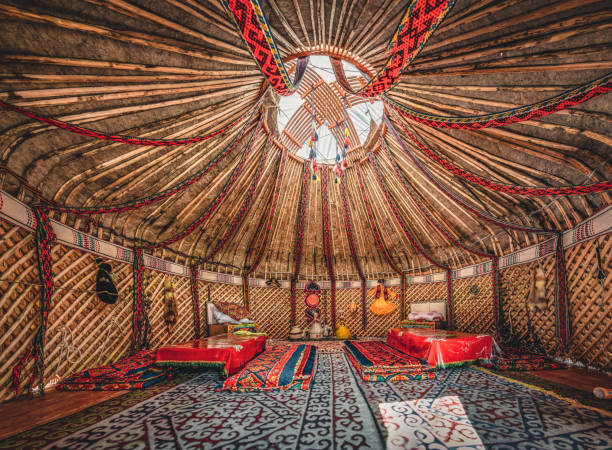
Our yurt, or ger as we call it, is more than just a tent; it is a testament to our nomadic ingenuity and a symbol of our connection to the land. The circular structure is built to withstand the harsh Gobi winds, its walls made of hand-felted wool from our sheep, providing insulation from both the scorching summer heat and the freezing winter cold.
The central stove is the heart of our home, fueled by dried dung, readily available in the Gobi's otherwise barren landscape. It provides warmth for cooking and heating, its smoke escaping through a hole in the roof, allowing us to enjoy the vast, starlit sky at night. The wooden pillars that support the roof hold a symbolic meaning, representing the strength of our family and our connection to our ancestors. We decorate the inside with colorful felt tapestries, each design telling a story of our traditions and beliefs. A traditional ger stay offers a glimpse into a lifestyle far removed from the modern world, a chance to reconnect with nature and experience the simplicity of nomadic living.
The Rhythms of Gobi Life: Daily Activities and Cultural Immersion
Life in the Gobi is dictated by the seasons and the needs of our animals. Every day, I venture out with my family to herd our goats and sheep, their cashmere and wool providing us with valuable resources. The days are spent ensuring they have access to grazing lands and fresh water, a constant challenge in this arid environment. In the evenings, we gather around the stove to prepare traditional Mongolian food. Buuz, steamed dumplings filled with meat, are a staple, especially during celebrations. We also make airag, fermented mare's milk, a drink that is both refreshing and deeply ingrained in our culture. We also keep busy crafting felt decorations for the ger, a skill passed down through generations.
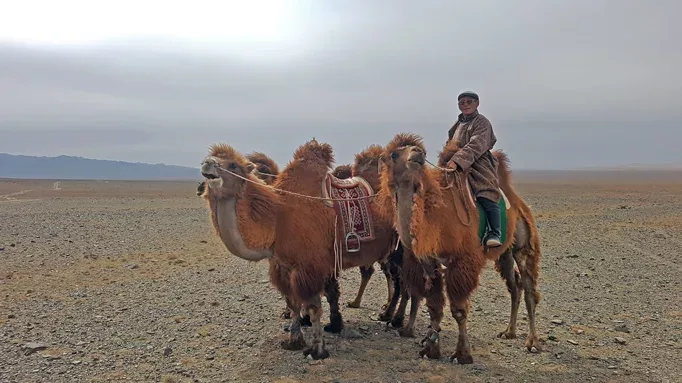
For our guests, we offer the opportunity to participate in these daily activities, providing an authentic Mongolian experience. You can try your hand at herding, learn the art of making buuz, or even help with crafting felt. It's a chance to immerse yourself in our culture, to understand the challenges and rewards of living in harmony with nature.
Baatar's Story: Bridging Tradition and Technology
My journey into the world of Airbnb began with a simple suggestion from my cousin. He showed me the platform on his phone, explaining how people from all over the world were looking for unique travel experiences. The idea of sharing our nomadic culture Gobi Desert experience seemed daunting at first. The language barrier was a major concern, but with the help of translation apps, I slowly began to communicate with potential guests.
The income from Airbnb has been a blessing. It allows me to supplement our traditional herding income and, most importantly, provides educational opportunities for my children. I want them to have the best of both worlds – to stay connected to our heritage while also having access to the knowledge and skills they need to thrive in the modern world. Hosting on Airbnb has allowed me to realize that dream. By choosing Gobi Desert travel with locals, you directly impact the ability for nomadic families like mine to sustain their traditions.
Sustainable Living in the Gobi: Respecting the Land and Our Traditions
As stewards of this land, we are deeply committed to sustainable tourism Mongolia. We understand the importance of preserving the delicate balance of the Gobi ecosystem. Here are some of the ways we strive to minimize our impact:
- Waste Management: We carefully sort and burn our waste responsibly, minimizing our use of plastic and other non-biodegradable materials.
- Water Conservation: Water is a precious resource in the Gobi. We collect rainwater whenever possible and use it sparingly for essential tasks.
- Respect for Traditions: We ensure that our guests understand and respect local customs. For example, we explain the importance of avoiding pointing the soles of your feet towards sacred objects and always accepting food or drink with your right hand as a sign of respect.

Choosing an eco-friendly Gobi Desert yurt stay contributes to the preservation of our natural and cultural heritage. We strive to provide an enriching experience for our guests while ensuring that our way of life can continue for generations to come.
Cultural Insights: The Heart of Mongolian Hospitality
Mongolian culture is built on the principles of hospitality and sharing. We believe in welcoming guests with open arms and offering them the best of what we have. Sharing a meal, a story, or even just a cup of tea is a way of building connections and fostering understanding.
We also have a deep reverence for nature, recognizing the interconnectedness of all living things. We see ourselves as part of the ecosystem, not separate from it. This respect for nature is reflected in our daily lives and in our traditions. One of our most unique traditions is throat singing, known as Khöömei. The sounds mimic the wind whistling across the plains and mountains. By embracing Gobi Desert cultural tourism, you not only experience nature but also the traditions and beauty of its people.
Gobi Desert Nights: A Herder's Stargazing Secret
[Insert Video Here]
(This video hook is designed to grab attention instantly with the unexpected beauty of the aurora borealis in the Gobi Desert. The twist of revealing the yurt connects the cosmic wonder to the intimate, human experience of nomadic life, aligning with the blog post's themes of cultural immersion and the stark beauty of the Gobi.)
Book Your Adventure: Experience the Gobi Like Never Before
I invite you to book a stay at our yurt and experience the magic of the Gobi Desert. It's more than just a vacation; it's an opportunity for cultural immersion Gobi Desert, to connect with nature, and to support a local community.
By choosing our Airbnb, you are not just booking a place to stay; you are contributing to a sustainable future for our family and our traditions. You're choosing an authentic Mongolian experience Gobi Desert that you'll never forget. Come, share our home, and discover the beauty of the Gobi through the eyes of a nomadic herder. Book a traditional yurt in the Gobi Desert Mongolia today! We hope to welcome you soon!