Forget the Serengeti: The Pantanal is the New Fr...
Forget the over-trodden paths of the Serengeti! The Pantanal, the world’s largest tropical wetland, is the new frontier for raw, untamed wildlife photography – and it’s desperately calling for our attention. Spanning across Brazil, Bolivia, and Paraguay, this biodiverse haven offers a unique opportunity to witness wildlife up close in an authentic and immersive environment. As a seasoned wildlife photographer, I, Ricardo, have explored countless corners of our planet, but the Pantanal… the Pantanal is different. This isn't just another destination; it’s an experience that touches your soul and ignites a passion for conservation. Join me as I recount my recent journey into the heart of this incredible ecosystem. If you are considering a trip, the best time to photograph wildlife in Pantanal is during the dry season, from June to September, when animals congregate around remaining water sources. This is when you will capture the most wildlife activity, but be sure to always adhere to ethical wildlife photography practices.
Jaguar Spotting Expedition on the Cuiabá River
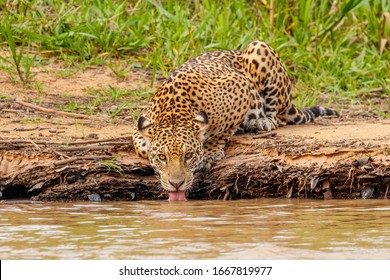
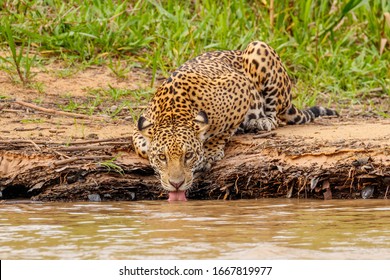
The anticipation was palpable. We set out before dawn on the Cuiabá River, the air thick with humidity and the sounds of awakening wildlife. I had joined a Pantanal wildlife photography tour specifically tailored for jaguar spotting. Our guides, locals deeply connected to the land, possessed an uncanny ability to read the river's secrets. These weren’t just boat operators; they were experts in jaguar behavior, employing non-invasive tracking methods. The guides shared their profound knowledge of the environment, emphasizing the importance of responsible wildlife viewing. Hours passed with nothing but the occasional glimpse of a capybara or caiman. Then, a hush fell over the boat. "Onça," one of the guides whispered, pointing towards the riverbank. And there she was: a magnificent jaguar, sunning herself on a sandy stretch, utterly unbothered by our presence.

The guttural sounds she made, a low rumble deep in her chest, sent shivers down my spine. Her coat, a tapestry of black rosettes against a golden backdrop, shimmered in the morning light. Her gaze, intense and unwavering, held centuries of wild wisdom. I felt incredibly grateful to be witnessing this raw, untamed beauty. It was a moment I will never forget. This Pantanal jaguar photography experience truly delivered on the promise of raw, untamed beauty.
Piranha Fishing and Pantanal Cuisine: A Taste of Tradition
After our exciting jaguar encounter, we took part in a traditional piranha fishing excursion. The heat was intense as we cast our lines into the murky waters, the sounds of the river filling the air. Using simple rods and chunks of meat as bait, we waited, listening to the water lapping against the boat. It wasn’t long before I felt a sharp tug. With a swift yank, I pulled a piranha from the water, its toothy grin glinting menacingly in the sun. It was smaller than I expected, but impressive nonetheless. That evening, we enjoyed our catch. Prepared by a local family, the freshly grilled piranha was surprisingly delicious. The smoky flavor, infused with herbs and spices, was unforgettable.
Served alongside traditional side dishes like "arroz de carreteiro" (cattleman's rice) and crispy mandioca fries, it was a true taste of Pantanal cuisine. The arroz de carreteiro was especially memorable, flavorful and rustic, a staple of the region's cowboys. This wasn’t just a meal; it was a cultural immersion, connecting us to the land and its people. The best Pantanal lodges for photographers often offer experiences like these.
Horseback Riding Across the Flooded Plains: Immersion in Nature
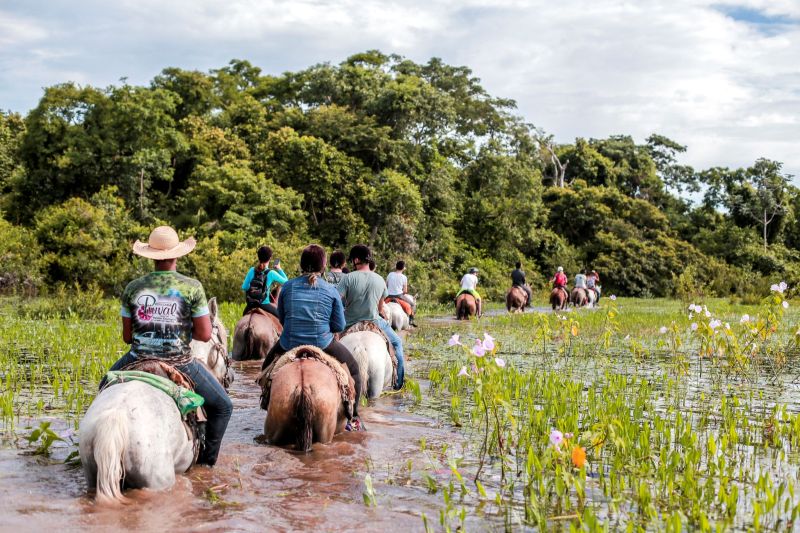
One of the most immersive ways to experience the Pantanal is on horseback. I spent a day riding across the flooded plains, a landscape stretching as far as the eye could see. The feeling of being utterly immersed in nature was overwhelming. Capybaras grazed peacefully in the distance, caimans lurked in the water, and a kaleidoscope of birdlife soared overhead. The mud squished under the horse's hooves with each step, a constant reminder of the Pantanal’s unique ecosystem. The annual flood cycle is crucial to this ecosystem, shaping the landscape and dictating the rhythm of life. As the waters rise, they nourish the plains, creating a haven for wildlife. The best month to visit Pantanal for wildlife photography is during the dry season, after the floods have receded.
Boat Trip to Observe Capybaras and Caimans
A boat trip offered another perspective on the Pantanal’s remarkable wildlife. We glided through the waterways, observing capybaras – the world's largest rodents – grazing along the banks. These gentle giants, often seen in large groups, seemed unfazed by our presence. Caimans, smaller relatives of alligators, were also abundant, their eyes peering out from the water's surface. I learned about the symbiotic relationships between these animals and the birds of the area. The birds often perch on the capybaras and caimans, feeding on ticks and other parasites. It’s a delicate balance, showcasing the interconnectedness of the Pantanal ecosystem.
The People of the Pantanal: Guardians of the Land
No trip to the Pantanal is complete without connecting with the Pantaneiro people. These traditional cattle ranchers have a deep connection to the land, their lifestyle shaped by the rhythms of the flood cycle. I had the opportunity to speak with a local guide named José, a third-generation Pantaneiro. He shared his insights on the challenges and rewards of living in the Pantanal and working in ecotourism. "Ecotourism is vital for our community," José explained. "It allows us to preserve our traditions while protecting the environment. But it's a delicate balance. We need to ensure that tourism is sustainable and doesn't harm the wildlife or the land." What animals can you see in the Pantanal? From giant anteaters to tapirs, the Pantanal offers a rich variety of animal life.
Sustainable Tourism in the Pantanal: A Responsible Approach
The Pantanal is a fragile ecosystem, and it's crucial to travel responsibly. Fortunately, several eco-lodges and tour operators prioritize sustainable practices. These include:
- Minimizing environmental impact: Reducing waste, conserving water, and using renewable energy sources.
- Supporting local communities: Employing local guides, purchasing local products, and contributing to community development projects.
- Promoting wildlife conservation: Supporting research efforts, educating visitors about conservation, and protecting wildlife habitats.
Here are a few examples of operators committed to sustainable Pantanal travel:
- Pantanal Trackers: www.pantanaltrackers.com Offers small group tours with a focus on jaguar conservation.
- Caiman Ecological Refuge: www.caiman.com.br A renowned eco-lodge with a strong commitment to research and conservation.
- Araras Eco Lodge: www.araraslodge.com.br Provides comfortable accommodations and a range of eco-friendly activities.
These operators allow for an authentic Pantanal wildlife experience while minimizing impact. How to photograph jaguars in the Pantanal ethically? Never approach them too closely or disturb their natural behavior.
The Pantanal: A Call to Action
My journey to the Pantanal was more than just a photography trip; it was a transformative experience. It was a reminder of the power and fragility of nature, and the importance of responsible tourism. I urge you to visit the Pantanal responsibly, support ecotourism initiatives, and contribute to the protection of this unique ecosystem. The Pantanal isn't just a destination; it's a responsibility.