
Food as Art: A Spiritual & Sensory Journey Throu...
Kyoto, Japan, is a city steeped in history, tradition, and a profound appreciation for beauty. This reverence extends far beyond its temples and gardens; it permeates the very essence of Kyoto cuisine. More than just sustenance, food in Kyoto is an art form, a sensory experience meticulously crafted to nourish not only the body but also the soul. This journey explores the heart of Kyoto's culinary traditions, inviting you to embark on a Kyoto food culture exploration that transcends mere dining and becomes a spiritual food Kyoto adventure. We'll delve into the world of delicate flavors, artistic presentations, and the deep-rooted philosophies that shape the Kyoto culinary experience, making it a truly unforgettable part of any Japan travel itinerary. Get ready for an adventure into Kyoto fine dining, traditional Kyoto cuisine, and experiences like you've never known!
Shojin Ryori: The Zen of Vegetarian Cuisine
Shojin Ryori, or Buddhist vegetarian cuisine, is a cornerstone of Kyoto's food culture. It reflects the principles of Zen Buddhism and emphasizes harmony, balance, and mindfulness. This isn't simply about abstaining from meat; it's a conscious effort to create dishes that are both nourishing and spiritually uplifting. The preparation and consumption of Shojin Ryori is a meditative practice, inviting diners to appreciate the natural flavors of seasonal vegetables and thoughtfully arranged presentations. Zen Buddhist cuisine Kyoto is more than a meal; it's a journey towards inner peace. What is Shojin Ryori? Shojin Ryori reflects a deep respect for all living things.
Shigetsu: A Taste of Tranquility
For an authentic Shojin Ryori experience, visit Shigetsu, a renowned restaurant nestled within the serene grounds of Tenryu-ji Temple, a UNESCO World Heritage Site. The tranquil atmosphere of the temple complements the contemplative nature of the cuisine. Savor each meticulously prepared dish, from delicate tofu creations to flavorful vegetable broths, all presented with an artistic eye. Where to eat Shojin Ryori in Kyoto? Shigetsu offers a truly exceptional setting.

The image depicts the tranquil and serene atmosphere of Tenryu-ji Temple. It helps showcase the beautiful setting, a key aspect of the dining experience at Shigetsu where Shojin Ryori embodies the Zen Buddhist principles of harmony and balance that influence the food and setting.
This close-up image shows the artistic presentation of a Shojin Ryori meal, highlighting the meticulous arrangement and the use of fresh, seasonal ingredients. The image reinforces the concept of food as art, illustrating the care and intention put into every dish, a quintessential element of Shojin Ryori.
Kyoto Vegetarian Food: More Than Just a Meal
Shojin Ryori is a delicious option for vegetarians and vegans visiting Kyoto. Is Shojin Ryori vegan? While some dishes may contain dashi (broth) made with fish flakes, many restaurants offer completely vegan options. Be sure to inquire when making your reservation. How to book Shojin Ryori at Shigetsu? Reservations are highly recommended, especially during peak season.
Kaiseki: A Symphony of Flavors and Presentation
Kaiseki is the epitome of Kyoto fine dining, a multi-course haute cuisine that celebrates the seasons and emphasizes artistic presentation. What is Kaiseki cuisine? Each dish is a miniature masterpiece, showcasing the freshest seasonal ingredients prepared with meticulous attention to detail. Kaiseki is a feast for the senses, engaging sight, smell, taste, and texture in a harmonious symphony. The chef acts as an artist, carefully composing each plate to create a visual and culinary experience that reflects the essence of the season. A Kaiseki dinner Kyoto is an unforgettable journey.
Gion Karyo: An Exquisite Culinary Performance
For an exceptional Kaiseki experience, consider Gion Karyo, located in Kyoto's geisha district. This restaurant is renowned for its innovative yet traditional approach to Kaiseki, using only the finest ingredients and showcasing the skills of its master chefs.
The chef is seen meticulously preparing a Kaiseki dish, demonstrating the artistic precision and attention to detail involved. This image highlights how Kaiseki elevates food preparation to an art form, emphasizing visual appeal alongside taste and quality ingredients.
Kyoto Kaiseki Etiquette: A Guide for First-Timers
Kaiseki dining is a formal affair, and understanding basic etiquette can enhance your experience. Appreciate the presentation of each dish before you eat, and use chopsticks to savor each flavor. Kyoto Kaiseki etiquette and tips for first timers? Avoid mixing flavors and try to finish each course before the next one arrives. How much does Kaiseki dinner cost in Kyoto? Prices vary depending on the restaurant and the number of courses, but expect to pay a premium for this culinary art form.
Matcha Sweets: A Verdant Delight
No visit to Kyoto is complete without indulging in the vibrant world of Matcha sweets. This finely ground green tea powder infuses everything from ice cream to cakes to parfaits with its distinctive flavor and vibrant green hue. Where to find authentic Matcha sweets in Kyoto? Kyoto is a Matcha lover's paradise, with countless cafes and tea houses offering a delightful array of treats. Matcha sweets Kyoto are a visual and gustatory treat.
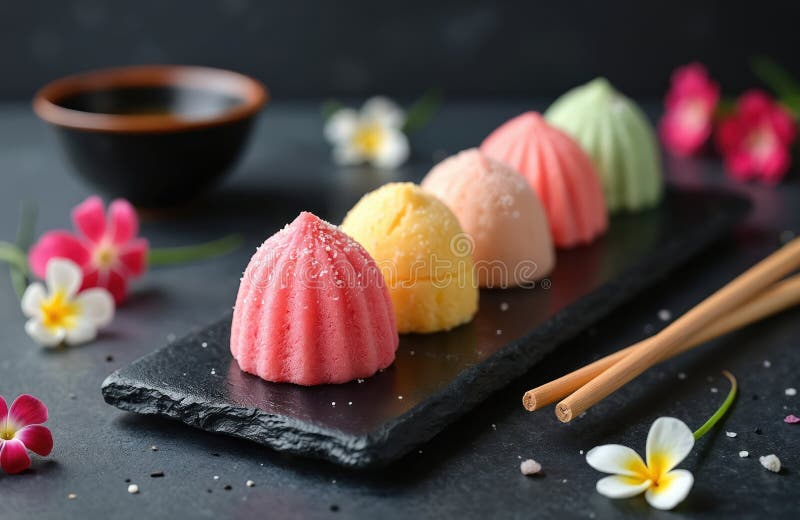
The image showcases a variety of colorful Matcha desserts, emphasizing their vibrant colors and unique flavors. The image reflects the appeal of these desserts, highlighting their visual charm in addition to their taste, making them a must-try for visitors.
Must-Try Matcha Treats
- Matcha Ice Cream: A classic and refreshing treat, perfect for a warm day.
- Matcha Cake: Indulge in a slice of rich and moist Matcha cake, often served with a dollop of sweet red bean paste.
- Matcha Parfait: A decadent layered dessert featuring Matcha ice cream, mochi, red bean paste, and other sweet delights.
- Best Kyoto tea houses for Matcha ceremony? Many tea houses offer traditional tea ceremonies where you can savor Matcha prepared in the traditional way.
Nishiki Market: A Culinary Kaleidoscope
Nishiki Market, also known as "Kyoto's Kitchen," is a bustling marketplace where you can sample a wide array of local delicacies, including Kyoto pickles (tsukemono). What should I eat at Nishiki Market? This vibrant market is a feast for the senses, offering everything from fresh seafood to local produce to unique snacks. Nishiki Market Kyoto food tour? Consider taking a guided food tour to navigate the market and sample the best offerings.
This is an image showing a colorful display of various tsukemono at Nishiki Market. This helps capture the essence of Nishiki Market as a vibrant culinary hub, emphasizing the colorful array of local pickles and treats available. This visual element illustrates the sensory experience of exploring the market.
Tsukemono: Kyoto's Pickled Treasures
Tsukemono, or Kyoto pickles, are a local specialty, made with a variety of vegetables and preserved using traditional methods. Sample different varieties, from the tangy Shibazuke (cucumber and eggplant) to the crunchy Senmaizuke (turnip). When is the best time to visit Nishiki Market Kyoto food? The market is open year-round, but visiting during the shoulder seasons (spring and autumn) can offer pleasant weather and fewer crowds.
Conclusion: A Culinary Journey for the Soul
Exploring Kyoto's cuisine is more than just satisfying your appetite; it's a journey into the heart of Japanese culture and spirituality. From the mindful simplicity of Shojin Ryori to the artistic elegance of Kaiseki to the vibrant flavors of Matcha sweets and tsukemono, each culinary experience offers a unique perspective on Kyoto's rich traditions. Embrace the opportunity to slow down, savor each moment, and appreciate the art and intention that goes into every dish. Embark on your own Kyoto food tourism adventure and discover the soul of Kyoto through its food. Ready to experience the magic? Explore vistalocation.com for incredible places to stay during your trip.