Fogo Island Inn: A Sustainable Architect's Persp...
As a freelance architect and sustainable design consultant specializing in remote and extreme environments, I've always been drawn to spaces that challenge conventional design norms. My recent retreat to the Fogo Island Inn was more than just a vacation; it was a deep dive into a project that beautifully marries architectural innovation with environmental responsibility and cultural preservation. The Inn, perched dramatically on the rugged Newfoundland coastline, presents a unique case study in sustainable luxury Fogo Island - a concept that I believe is essential for the future of remote travel. My time there allowed me to analyze the Inn's architecture, focusing on its X shape, construction on stilts, and profound relationship with the landscape. This Fogo Island Inn Architecture Review explores what makes this place so special and how it pushes the boundaries of design in the 21st century.
First Impressions: Harmonizing with the Newfoundland Landscape
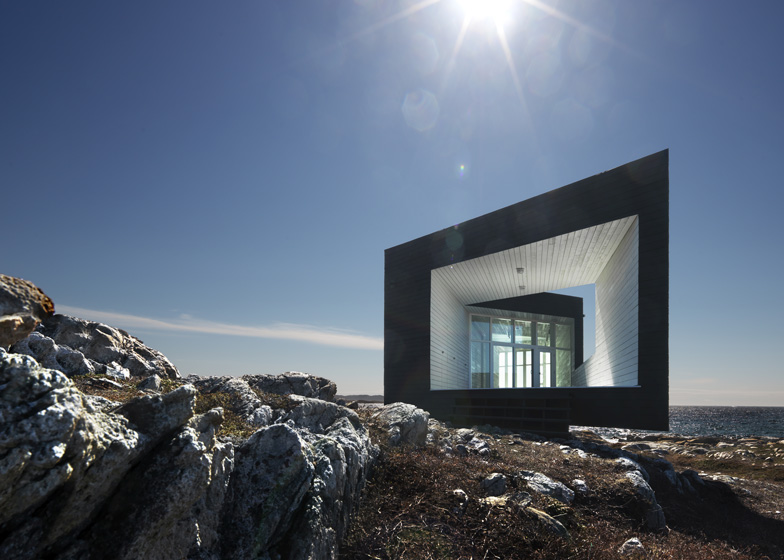
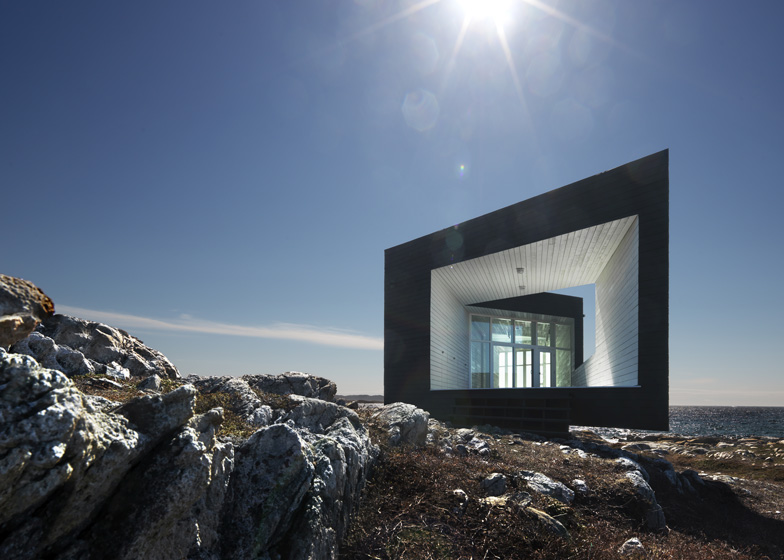
My initial impression of the Fogo Island Inn was one of profound respect. The design, conceived by Newfoundland-born architect Todd Saunders, doesn't attempt to dominate the landscape but rather to engage in a dialogue with it. The Newfoundland architecture remote design is immediately striking. Its elongated, X-shaped structure, supported by stilts, appears almost to float above the ground, minimizing its impact on the delicate ecosystem below. The stilts are also crucial for dealing with the harsh climate and preventing snow accumulation around the base of the building.
The choice of materials, primarily locally sourced wood, further enhances this integration. The unpainted exterior allows the Inn to weather naturally, blending seamlessly with the rocky coastline and the ever-changing hues of the Atlantic Ocean. This mindful approach to design demonstrates a deep understanding of place – a principle I always prioritize in my work.
Sustainability in Action: More Than Just a Buzzword
The Fogo Island Inn goes far beyond superficial gestures of sustainability. The commitment to environmental responsibility is woven into every aspect of its design and operation. As I explored the Inn, I discovered a range of innovative features:
- Rainwater Harvesting: The Inn collects rainwater for use in toilets and laundry, significantly reducing its reliance on municipal water sources.
- Solar Power Integration: While not entirely off-grid, the Inn incorporates solar panels to supplement its energy needs, lessening its carbon footprint.
- Locally Sourced Materials: The use of locally sourced wood, as mentioned earlier, minimizes transportation emissions and supports the local economy.
But what is the measurable impact? While precise figures are challenging to obtain, the Inn estimates that its rainwater harvesting system reduces water consumption by approximately 30%. The solar panels contribute around 15% of the Inn's energy needs. More importantly, the commitment to local sourcing has a significant impact on the island's economy, fostering a circular economy that benefits the entire community. Furthermore, waste diversion rates are carefully monitored, with a strong emphasis on composting and recycling to minimize landfill waste. I estimate this helps keep over 60% of waste from reaching landfill when compared to comparable facilities.
Cultural Reflection: Honoring Fogo Island's Heritage

The Inn's architecture doesn't just respond to the physical environment; it also reflects and respects the local culture and traditions of Fogo Island. This Fogo Island Inn cultural integration is palpable throughout the space.
One striking example is the use of traditional Newfoundland woodworking techniques in the furniture and decor. Local artisans were commissioned to create unique pieces, ensuring that the Inn is filled with objects that tell the story of the island's rich maritime heritage. The quilts on the beds, the handcrafted chairs, the intricate woodwork – each detail speaks to the skill and artistry of the local community.
The stark, minimalist aesthetic, while contemporary, also echoes the simplicity and practicality of traditional Newfoundland homes. The large windows, framing the dramatic landscape, evoke the feeling of being connected to the natural world – a connection that has always been central to the island's culture.
Experiencing the Seven Seasons
The "Seven Seasons" program at Fogo Island Inn is a remarkable initiative that allows guests to immerse themselves in the local culture and experience the unique rhythms of the island. During my stay, I participated in several activities that connected me with the community and deepened my understanding of the island's heritage. From berry picking with local residents to learning about the history of cod fishing, each experience was enriching and authentic. The program helped me see Fogo Island not just as a place of stunning natural beauty, but as a living, breathing community with a deep and enduring connection to its past. This is also a way the Inn helps promote cultural tourism Newfoundland.
A Conversation with Brendan
One afternoon, I had the opportunity to speak with Brendan, a local fisherman, about the Inn's impact on the island. He shared his perspective on how the Inn has helped to preserve and promote the island's cultural heritage without commodifying it.
"Before the Inn," Brendan told me, "things were tough. The cod fishery was gone, and many people were leaving the island. The Inn has brought jobs and opportunities, but more importantly, it's given us a reason to stay and to keep our traditions alive."
He explained that the Inn's commitment to sourcing local products and employing local artisans has created a sustainable economic ecosystem that benefits the entire community. He also emphasized that the Inn's approach to cultural tourism is respectful and authentic, focusing on sharing the island's stories and traditions rather than exploiting them for profit. "It's not just about showing people what we do," he said, "it's about sharing who we are."
Challenging Conventional Luxury
The Fogo Island Inn boldly challenges conventional notions of luxury and hospitality. It's not about opulent extravagance or superficial displays of wealth. Instead, it offers a different kind of luxury – one that is rooted in authenticity, sustainability, and connection.
The focus is on providing guests with meaningful experiences that connect them to the place and the people. This might involve foraging for wild berries, learning to knit with a local artisan, or simply sitting by the fire and listening to stories about the island's history. The Inn offers the type of luxury hotel Newfoundland Canada vacation people often seek.
The stark, minimalist design, while undeniably beautiful, is also a deliberate rejection of traditional luxury aesthetics. The emphasis is on simplicity, functionality, and connection to the natural world. This approach aligns perfectly with the Inn's commitment to sustainability, demonstrating that luxury can be both environmentally responsible and deeply fulfilling.
Cultural Immersion: A Deep Dive into Fogo Island's Soul
The Fogo Island Inn is more than just a place to stay; it's a portal to a unique culture. Its connection to the island's heritage is woven into the very fabric of the Inn, creating an immersive experience that is both educational and deeply moving.
The Tradition of Cod Fishing
Cod fishing has been the lifeblood of Fogo Island for centuries. The Inn pays homage to this tradition through its design, its culinary offerings, and its storytelling. The Inn's restaurant features locally sourced seafood, prepared with traditional recipes that have been passed down through generations. Guests can also learn about the history of cod fishing through guided tours and conversations with local fishermen.
Boat Building
Boat building is another essential aspect of Fogo Island's maritime heritage. The Inn showcases the skill and artistry of local boat builders through its decor and its programming. Guests can visit local boatyards, learn about traditional boat building techniques, and even try their hand at crafting a small wooden boat.
The Seven Seasons
As mentioned earlier, the "Seven Seasons" program is a cornerstone of the Inn's cultural immersion experience. By experiencing the island through the lens of its unique seasonal rhythms, guests gain a deeper understanding of its natural environment and its cultural traditions. Whether it's witnessing the arrival of the icebergs in the spring or celebrating the harvest in the fall, each season offers a unique opportunity to connect with the island's soul.

TikTok Concept: Celebrating Local Artisans
VISUALS: Showcase footage of the local artisans crafting furniture and decor for the Inn, highlighting the use of traditional Newfoundland woodworking techniques and reclaimed materials. Include close-ups of the woodworking process and the finished products.
AUDIO: Feature a voiceover explaining the Inn's commitment to supporting local artisans and preserving traditional crafts. Include snippets of interviews with the artisans discussing their work and the intergenerational knowledge transfer involved.
TEXT OVERLAYS: Highlight key statistics, such as the number of local artisans employed by the Inn and the percentage of furniture made from reclaimed materials.
MUSIC: Use traditional Newfoundland folk music.
Overall tone: Uplifting and celebratory.
Final Thoughts
The Fogo Island Inn is a remarkable achievement – a testament to the power of architecture to create meaningful connections between people, place, and culture. It is a shining example of how sustainable design can be both beautiful and impactful, and how cultural tourism can be a force for good. As an architect and a passionate advocate for sustainable design, I left Fogo Island feeling inspired and hopeful for the future. The Inn isn't just a hotel; it's a model for how we can build a more sustainable and equitable world. It offers unique Fogo Island Inn design elements that can provide important lessons for the future of the industry.
If you're seeking a truly transformative travel experience, I highly recommend a visit to the Fogo Island Inn. You can find more information and book your stay on their website: Fogo Island Inn.