Finding Tranquility in Kyoto's Gardens and Arts
Kyoto
Kyoto. Even the name evokes images of serene temples, meticulously raked gardens, and the delicate artistry of centuries past. As a 68-year-old retired architect with a lifelong passion for Japanese gardens and the meditative practice of tea, I recently embarked on a journey to rediscover the tranquil heart of this ancient capital. My goal? To immerse myself in the beauty of Kyoto's gardens and arts, finding peace and inspiration in the subtle details that often go unnoticed. Join me as I share my experiences, hoping to inspire your own culturally immersive travel to Kyoto.
The Enigmatic Beauty of Ryoan-ji's Zen Garden
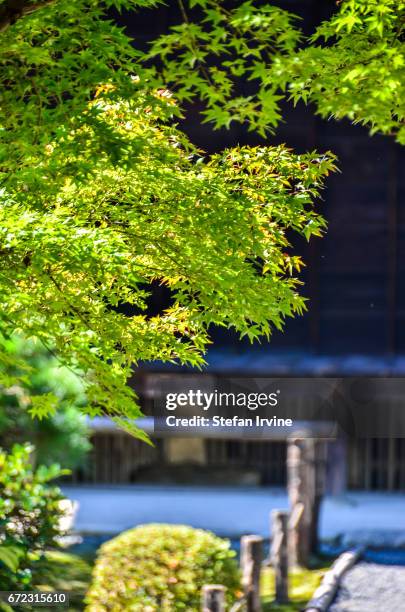
My day began at Ryoan-ji Temple. Arriving at 7:00 AM on a weekday proved to be a wise decision, as the early morning light cast a soft, ethereal glow upon the famed Zen garden. The scene was breathtaking. Fifteen rocks, arranged in five groups on a sea of meticulously raked white gravel, sat in quiet contemplation. From an architectural perspective, the garden is a masterpiece of negative space. The subtle slopes of the gravel, the careful placement of each rock – everything contributes to a sense of profound stillness. What is the best time to visit Ryoan-ji Garden? Early morning avoids the crowds and allows for quiet contemplation. You can explore this temple and its gardens via Ryoan-ji.
The enigmatic nature of the rock arrangement has captivated visitors for centuries. Regardless of where you stand, you cannot see all fifteen rocks at once, a deliberate design element often linked to Zen Buddhism and the elusive nature of enlightenment. There are many theories about the hidden meaning, but perhaps the true beauty lies in the mystery itself, inviting personal reflection and interpretation. This is the essence of Kyoto Gardens Tranquility.
Zen Garden Design Principles
The garden at Ryoan-ji is an excellent example of Zen Garden Design Principles. The carefully chosen elements encourage meditation, and the minimalist aesthetic promotes a sense of calm and contemplation.
Saiho-ji (Kokedera): A Sea of Moss
The next day, I ventured to Saiho-ji, also known as Kokedera, the moss garden. Obtaining a reservation to visit Saiho-ji is an experience in itself. You must apply weeks, or even months, in advance via postcard, specifying the purpose of your visit as the transcription of sutras. How do I book a Saiho-ji Moss Garden reservation? The process is intentionally involved, adding to the sense of reverence and anticipation.
Upon arrival, I was required to participate in a Buddhist sutra transcription ceremony before being allowed to explore the garden. It was an unexpectedly profound experience, grounding me in the spiritual heart of the temple before immersing myself in its visual splendor.
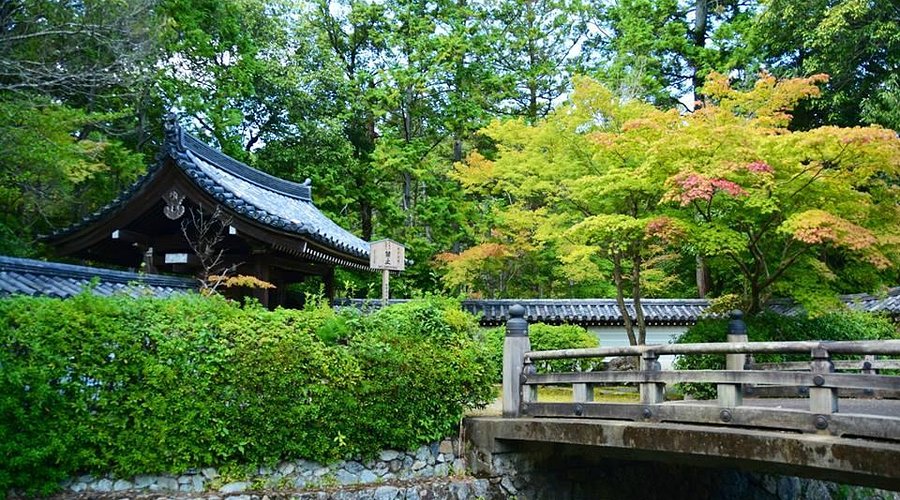
The garden itself is a breathtaking tapestry of green. Saiho-ji boasts over 120 different species of moss, each contributing to a vibrant and ever-changing landscape. The garden was once the site of a temple, and its history is palpable in the ancient trees and the gentle flow of the streams that meander through the mossy terrain. Saiho-ji moss garden guided tour booking can be difficult, so make sure you plan well in advance. Is Saiho-ji garden worth visiting? Absolutely! The feeling of serene immersion within this verdant wonderland is truly unforgettable.
History of Japanese Tea Ceremony
The rich history of Japanese Tea Ceremony and its intimate connection to the history of the gardens makes it even more meaningful.
A Private Matcha Tasting at Ippodo Tea Co.
No trip to Kyoto would be complete without experiencing the art of tea. I visited Ippodo Tea Co.'s Kyoto main store on Teramachi-dori, a venerable institution with over 300 years of history. Ippodo is a key stop in any Kyoto Cultural Immersion Travel itinerary.
I arranged for a private matcha tea preparation and tasting. The tea master expertly demonstrated the precise techniques, from whisking the matcha to the perfect froth to the proper way to hold and appreciate the bowl. Where can I experience a traditional tea ceremony in Kyoto? Ippodo Tea Co. is an excellent choice. Authentic Japanese tea ceremony booking Kyoto can be done on Ippodo's website.
I sampled several different grades of matcha, including "Ummon-no-mukashi" and "Kanon." Each had its own subtle differences in flavor, color, and aroma. The "Ummon-no-mukashi," priced around ¥2,500 per 40g tin, offered a rich, intense flavor, while the "Kanon" (approximately ¥1,800 per 40g tin) was lighter and more delicate. Ippodo Tea Co Kyoto review: I can confidently say that Ippodo provides a truly authentic and refined experience. You can book your own experience or learn more at Ippodo Tea Co..
Authentic Kyoto Tea Ceremony Experience
The Authentic Kyoto Tea Ceremony Experience at Ippodo involves not just tasting tea but also learning about its history, preparation, and cultural significance. It's an immersive and educational experience.
The Artistry of Kaiseki at Kikunoi
That evening, I indulged in a kaiseki dining experience at Kikunoi restaurant, their main location. Kaiseki is a traditional multi-course Japanese dinner, and Kikunoi is renowned for its exquisite artistry and profound philosophy. Best Kaiseki restaurant Kyoto Michelin star: Kikunoi consistently earns high praise and Michelin stars.
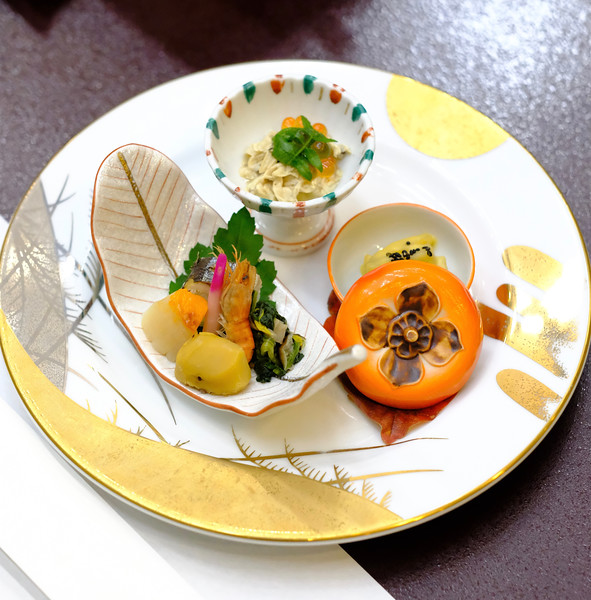
Each of the fourteen courses was a miniature work of art. Seasonal sashimi was arranged to resemble a delicate landscape. Grilled wagyu beef with sansho pepper offered a delightful balance of richness and spice. The clear soup, showcasing the delicate flavor of matsutake mushrooms, was a revelation.
The importance of seasonality (shun) is paramount in kaiseki cuisine. The chef's intention is to create a harmonious dining experience that reflects the current season and celebrates the bounty of nature. What is Kaiseki dining and is it worth the price? It's an investment, but one that rewards you with an unforgettable culinary journey. You can experience this yourself by making a reservation at Kikunoi.
Michelin Star Restaurants in Kyoto
Michelin Star Restaurants in Kyoto like Kikunoi are dedicated to providing not just food, but an artistic and philosophical experience.
Embracing Imperfection: A Kintsugi Workshop
On my final day, I participated in a kintsugi workshop at a studio called Tsugu Tsugu, located in the Nishijin district. Kintsugi is the Japanese art of repairing broken pottery with lacquer and gold powder, embracing imperfection as part of the object's history. What is Kintsugi and where can I learn it in Kyoto? Tsugu Tsugu offers workshops for those interested in learning this beautiful art. Kintsugi workshop near me Kyoto price: The 2.5-hour workshop at Tsugu Tsugu cost ¥12,000.
The philosophy of embracing imperfection resonated deeply with me. The delicate process of repairing a broken tea bowl, carefully piecing it back together with lacquer and gold, was incredibly satisfying. It's a tangible representation of resilience and the beauty that can emerge from brokenness. Kintsugi meaning therapy: The art form is often associated with healing and finding beauty in imperfections.
The Art of Kintsugi
The Art of Kintsugi is more than just repair; it's a celebration of history, imperfection, and the beauty of embracing flaws.
Plan Your Own Tranquil Journey
Kyoto offers a truly transformative experience for those seeking tranquility, cultural immersion, and the beauty of Japanese arts. I encourage you to plan your own journey and discover the peace and inspiration that awaits. Finding peace in Kyoto's Zen gardens itinerary: Here's a suggested itinerary to get you started:
- Day 1: Morning at Ryoan-ji, afternoon at Ippodo Tea Co.
- Day 2: Saiho-ji (book well in advance!), evening kaiseki dinner at Kikunoi.
- Day 3: Kintsugi workshop at Tsugu Tsugu, explore Nishiki Market.
Kyoto cultural tour packages can be a good way to see all of this and more.
Through experiencing Kyoto's gardens and arts firsthand, you will find the transformative power of tranquility, impermanence, and the beauty of imperfection. You can book a workshop at Tsugu Tsugu.
Let the ancient beauty of Kyoto inspire your soul.
The transformative power of experiencing Kyoto's gardens and arts firsthand lies in the reflections on the themes of tranquility, impermanence, and the beauty of imperfection. May we all find peace and beauty in unexpected places.