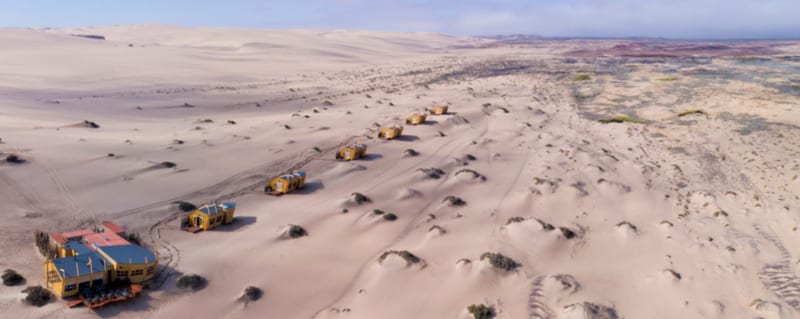
Finding Solitude on Namibia's Skeleton Coast: A...
The salt-laced wind whipped at my face as I stood on the shores of Namibia's Skeleton Coast, a place that hummed with a silence so profound it resonated in my very bones. As a minimalist travel blogger from Mumbai, India, I'm constantly seeking experiences that challenge my perceptions and connect me deeply with the planet. My recent journey to this remote corner of Africa was exactly that: a stark, beautiful, and deeply humbling exploration of resilience, solitude, and the raw power of nature. This wasn't just a vacation; it was a pilgrimage to the edge of the world, a chance to strip away the excess and find clarity in the face of overwhelming desolation. My trip to the Skeleton Coast was a stark reminder of the beauty of minimalism and sustainable tourism in Namibia.
Hiking the Hoanib: Encounters with Desert Giants
My adventure began with a multi-day guided hiking excursion in the Hoanib Riverbed, an ephemeral artery of life carving its way through the harsh landscape. The goal? To track the elusive desert-adapted elephants, magnificent creatures that have learned to thrive in this unforgiving environment. Our guides, true masters of the land, possessed an uncanny ability to read the subtle signs of the desert: a broken twig, a fresh footprint in the sand, the faint scent of animal musk on the breeze. They were experts at ethical wildlife tourism, ensuring a safe distance between us and the elephants, which are crucial for their well-being and conservation.
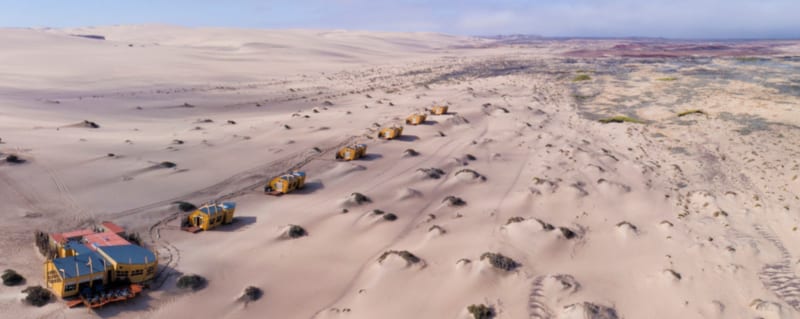
The landscape itself was a constant source of wonder. Towering cliffs of ochre and rust rose on either side of the riverbed, their surfaces sculpted by millennia of wind and erosion. The sand beneath our feet shifted with every step, a constant reminder of the ephemeral nature of existence. Carrying only the bare essentials – water, a few rations, and my camera gear – added another layer of challenge. Every ounce counted, forcing me to prioritize and appreciate the true meaning of necessity.
We did eventually encounter the elephants, a small family unit grazing peacefully on the sparse vegetation. Observing them from a respectful distance, I was struck by their quiet dignity, their resilience in the face of adversity. It was a privilege to witness these incredible animals in their natural habitat, a moment that underscored the importance of conservation and responsible tourism. We also saw signs of lions and other wildlife that our guides pointed out, including Oryx and Springbok tracks.
Responsible Travel Tips for Visiting Desert Elephants in Namibia
Desert-adapted elephants are an incredible sight to behold. However, to ensure your viewing experience is ethical, here are a few important things to remember:
- Maintain a Respectful Distance: This is the most important thing you can do to avoid stressing them out.
- Be Quiet: Loud noises can frighten or startle elephants, causing them to flee or act defensively.
- Go With a Reputable Tour Guide: By using a local tour guide you ensure you are contributing to the local economy and promoting the conservation of these animals.
Skeleton Coast from Above: Shipwrecks and Seal Colonies
The next stage of my journey took me skyward, on a scenic flight over the Skeleton Coast. This was an absolute must to truly grasp the scale and drama of this desolate landscape and the answer to "How much does a scenic flight over the Skeleton Coast cost?" varies depending on the tour operator and duration, so be sure to research and compare options. From above, the coast stretched out like a vast, ochre-colored canvas, punctuated by the skeletal remains of shipwrecks and the swirling patterns of sand dunes meeting the Atlantic Ocean.
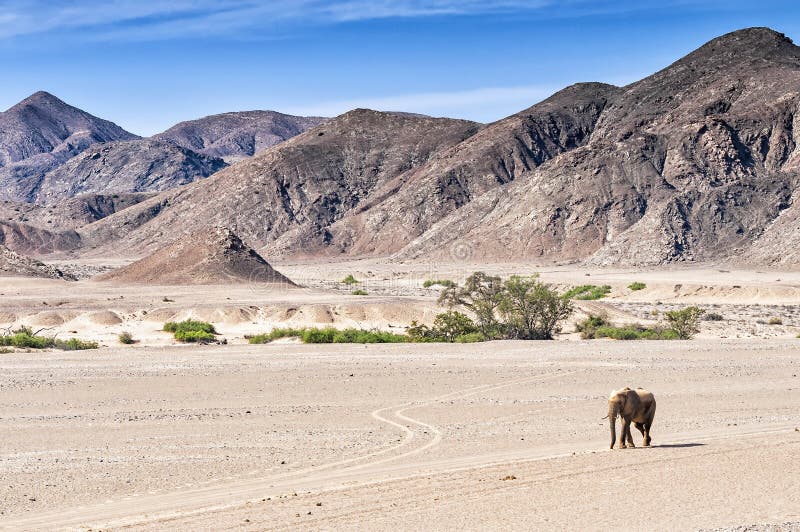
The Eduard Bohlen, a German cargo ship that ran aground in 1909, was a particularly poignant sight, half-buried in the sand, a silent testament to the power of the sea. The pilot told us about the reasons "Why is the Skeleton Coast called the Skeleton Coast?", citing the treacherous currents and frequent shipwrecks. Flying over the seal colonies was a completely different experience. Thousands of seals crowded the beaches, a cacophony of barks and bleats rising to meet us. The contrast between the desolation and this teeming life was astounding.
The flight also offered a stark visual representation of the impacts of climate change. The pilot pointed out areas where desertification was encroaching, where once-fertile land had been swallowed by the relentless sands. It was a sobering reminder of the fragility of this ecosystem and the urgent need for conservation efforts.
Namib Desert Stargazing: A Cosmic Perspective
As night fell, I found myself in the heart of the Namib Desert, far from any light pollution. The sky exploded with stars, a vast and glittering tapestry that stretched to infinity. Having a "Namib Desert Stargazing Guide" is essential to truly appreciate the experience and find the best locations without light pollution.
Lying on my back, gazing up at the Milky Way, I felt an overwhelming sense of insignificance, but also a profound connection to the universe. In that moment, my minimalist philosophy felt more relevant than ever. Stripped of all material possessions, surrounded by the infinite beauty of the cosmos, I realized that true wealth lies not in what we own, but in the experiences we have and the connections we make.
The silence of the desert was broken only by the occasional rustle of wind and the distant howl of a jackal. It was a silence that allowed for deep introspection, a chance to quiet the noise of the world and listen to the whispers of my own soul.
Bush Breakfasts and Namibian Snacks: Resourcefulness in the Desert
Food in such a remote environment required ingenuity and resourcefulness. Our guides prepared incredible bush breakfasts over an open fire, using locally sourced ingredients whenever possible. The aroma of freshly brewed coffee mingled with the scent of grilling meat, a sensory feast that invigorated us for the day's adventures. I really enjoyed the traditional Namibian snacks like biltong (dried, cured meat) and droëwors (dried sausage), packed with protein and perfect for long hikes. The "Minimalist travel packing list for Namibia desert" should always include high-energy snacks such as these.
Food storage and preparation presented their own challenges, but our guides were masters of improvisation. They used traditional methods to keep food fresh and protected from the elements, minimizing waste and respecting the delicate balance of the ecosystem. Their expertise was comforting and helped alleviate some of my concerns such as "Solo female travel Skeleton Coast Namibia safe?".
Reflecting on Resilience and Sustainability
My journey to Namibia's Skeleton Coast was more than just a trip; it was a transformative experience that reinforced my commitment to minimalist living and responsible travel. The solitude, the challenges, and the stark beauty of the landscape forced me to confront my own limitations and appreciate the incredible resilience of nature. "How can I travel sustainably in Namibia?" is a question I pondered a lot during the trip.
Traveling sustainably in such a remote and challenging environment requires careful planning, respect for the local culture, and a deep understanding of the delicate ecosystem. It means minimizing your impact, supporting local communities, and seeking out experiences that promote conservation. I tried to do all of these things.
What Should I Know About Climate Change Impacts on the Skeleton Coast?
Climate change is exacerbating the harsh conditions of the Skeleton Coast. Desertification, rising sea levels, and changes in weather patterns are all threatening the fragile ecosystem. It's crucial for visitors to be aware of these impacts and to travel responsibly, minimizing their carbon footprint and supporting conservation efforts. By making informed choices, we can help protect this unique and valuable environment for future generations.
A Call to Action
My hope is that my experience on the Skeleton Coast inspires you to consider the impact of your own travels. Seek out experiences that promote sustainability and respect for the environment. Embrace the principles of minimalist living and discover the freedom that comes from stripping away the excess. Whether you're planning a trip to Namibia or simply seeking to live a more mindful life, remember that every choice we make has an impact. Let's choose wisely, travel responsibly, and strive to leave the world a little better than we found it. Consider looking for "Sustainable travel tour operators Skeleton Coast Namibia".