Finding Solitude in the Soul of Minnesota: A So...
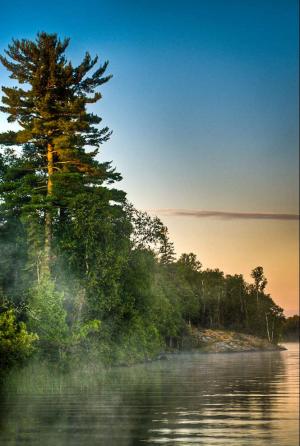
The paddle slipped silently into the dark water, and for a moment, everything was still. Then, the howl echoed across the lake, a sound that both thrilled and chilled me to the bone. After years spent chasing deadlines and navigating concrete jungles, I desperately needed this: a reconnection with nature, a journey into the heart of untamed wilderness. My destination? The Boundary Waters Canoe Area Wilderness (BWCAW) in northern Minnesota, a place where the only sounds are the whisper of the wind, the splash of a paddle, and the call of the wild. And I was tackling it solo.
Preparing for the Plunge: Sawbill Landing and Beyond
My entry point was Sawbill Landing, a well-known access point offering a gateway to the vast network of lakes and portages within the BWCAW. Planning a solo trip requires meticulous preparation, especially when you're carrying everything you need on your back (and in your canoe!). My trusty Souris River Quetico 17, though a joy on the water, added significant weight to my load. All told, I was portaging around 60 lbs of gear, including my tent, sleeping bag, food, and, of course, my precious photography equipment. I'd meticulously planned my route: a four-day loop through Alton Lake, Kelso Lake, and Lujenida Lake, hoping to find both solitude and ample opportunities to capture the beauty of the area.
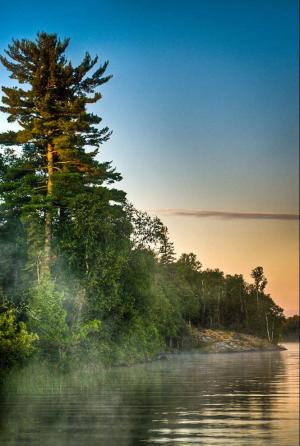
Image showing the serenity of paddling solo in the BWCAW, highlighting the connection with nature.
Navigating the Labyrinth: Lakes and Portage Trails
The BWCAW is a maze of interconnected lakes, rivers, and portage trails. Navigating requires map-reading skills, a good compass (or GPS device), and a healthy dose of patience. The portages, ranging from short carries of a few hundred feet to grueling treks over uneven terrain, were definitely the most physically demanding part of the journey. Each step was a reminder of the raw power and resilience of nature, and a test of my own. But with each lake crossed and each portage completed, I felt a growing sense of accomplishment and a deeper connection to the land.
Home for the Night: Setting Up Camp on Lujenida Lake
After a long day of paddling and portaging, I finally reached Lujenida Lake and found a secluded island campsite. Setting up camp was a satisfying ritual: pitching the tent, organizing my gear, and gathering firewood. As the sun began to dip below the horizon, casting long shadows across the water, I felt an overwhelming sense of peace. This tiny island, surrounded by the vast wilderness, was my sanctuary.
In Pursuit of the Perfect Shot: Wildlife Encounters
As a wildlife photographer and conservationist, my Canon EOS R5 and Canon RF 100-500mm lens were essential tools. My primary goal was to capture the essence of the BWCAW's wildlife. One early morning near Alton Lake, I spotted a moose grazing near the shoreline. The dawn light was magical, soft and diffused, but the low light conditions made capturing a sharp image challenging. I quickly adjusted my settings (ISO 3200, f/5.6, 1/250 sec) and managed to get a few shots before the moose disappeared back into the woods.
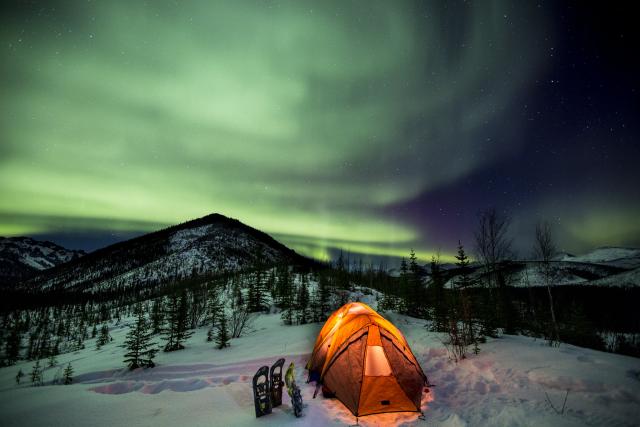
Image of a moose, highlighting the early morning light and the wildlife photography aspect of the trip.
Later that night, as I sat by the campfire, I heard the haunting sound of wolves howling in the distance. It was a primal sound, a reminder that I was a guest in their territory. I grabbed my recorder and attempted to capture the eerie melody, hoping to share it with others.
A Celestial Canvas: Stargazing and the Northern Lights
The remoteness of the BWCAW offers unparalleled opportunities for stargazing. Far from city lights, the night sky exploded with a million stars. The Milky Way stretched across the heavens like a river of light. On my last night, I was even treated to a faint display of the aurora borealis, the Northern Lights shimmering green across the horizon. Using my tripod and a long exposure (ISO 1600, f/4.5, 30-second exposure), I attempted to capture the celestial spectacle. Back home, I used Adobe Lightroom and Photoshop to enhance the images, applying noise reduction (luminance: 30, color: 20) in Lightroom and star reduction using the "Minimum" filter in Photoshop to bring out the details.
A Taste of the Wilderness: Foraging and Gourmet Backpacking
Food is fuel, especially on a demanding trip like this. I packed lightweight, gourmet backpacking meals. One of my favorites was the Backpacker's Pantry Pad Thai. It was incredibly easy to prepare – just add boiling water – and the taste was surprisingly authentic, with a good balance of sweet, sour, and spicy flavors.
I also supplemented my meals with foraged wild berries. I carefully identified blueberries and raspberries, making sure to avoid any potentially poisonous look-alikes. The raspberries were tart and tangy, while the blueberries were sweet and juicy. Not only were they delicious, but they were also packed with antioxidants and vitamins. It's important to forage responsibly, taking only what you need, leaving plenty for wildlife, and avoiding trampling vegetation.

Image showcasing the bounty of foraged berries and sustainable food practices.
The Land Speaks: Boreal Forest and Pristine Waters
The BWCAW is a landscape shaped by ancient Precambrian bedrock and the relentless forces of glaciers. Towering white pines, resilient black spruce, and elegant paper birch trees define the boreal forest ecosystem. These trees provide habitat for a diverse range of wildlife, from moose and wolves to loons and bald eagles. The lakes are incredibly clear and pristine, a testament to the importance of water quality protection. Protecting this fragile ecosystem is paramount for future generations.
Sensory Immersion: Smells, Sounds, and Sore Muscles
The BWCAW is an assault on the senses. The distinct smell of woodsmoke mingling with pine filled the air each evening. The feeling of sore muscles after a long day of paddling and portaging was a constant reminder of the physical challenge I had undertaken. And the sound of loons calling across the lake at dusk was an unforgettable symphony of the wilderness.
Could anything prepare you for the feeling of being utterly alone, surrounded by millions of acres of pristine wilderness? I thought I was ready, but the BWCAW had other plans. The experience was transformative, pushing me both physically and mentally, and leaving me with a profound appreciation for the power and beauty of nature.
If you're seeking solitude, adventure, and a chance to reconnect with the wild, I highly encourage you to explore the Boundary Waters Canoe Area Wilderness. But remember, with this privilege comes responsibility. Learn about Leave No Trace principles and practice responsible travel to minimize your impact on this precious ecosystem. Support organizations dedicated to the preservation of the BWCAW. Let's ensure that future generations can experience the magic of this incredible place. Learn more about the BWCAW and how you can help protect it by visiting the Friends of the Boundary Waters Wilderness at friendsofthebwca.org.