Finding Serenity on a Plate: Exploring Shojin R...
Kyoto, the ancient capital of Japan, is renowned for its temples, gardens, and geishas. But beyond the well-trodden tourist paths lies a culinary tradition that embodies the city's spiritual heart: Shojin Ryori. This Buddhist vegetarian cuisine, deeply rooted in Zen Buddhism, is more than just a meal; it's a mindful practice, a connection to nature, and a journey towards inner peace. Born from the Buddhist principle of non-violence and the need for monks to sustain themselves without harming any living creature, Shojin Ryori has evolved over centuries into a refined art form. Join us as we delve into the serene and subtly profound world of Shojin Ryori in Kyoto, exploring its unique flavors, seasonal artistry, and the best places to experience it.
The Five Flavors: A Vegetarian Symphony
One of the most fascinating aspects of Shojin Ryori is its ability to create a complex and satisfying flavor profile without the use of any meat, fish, or dairy products. This is achieved through a masterful understanding of the five basic flavors: sweet, sour, salty, bitter, and umami. Balancing these flavors is key to creating a harmonious and complete culinary experience.
- Umami: This savory, almost meaty flavor is the cornerstone of Shojin Ryori. It's primarily derived from kombu dashi, a broth made from dried kelp seaweed. Shiitake mushrooms are also frequently used to boost the umami notes.
- Sweet: Natural sweetness is drawn from vegetables like carrots, sweet potatoes, and onions. Mirin (sweet rice wine) and sugar are used sparingly to enhance the natural sweetness of the ingredients.
- Sour: Umeboshi plums (pickled plums) are a staple ingredient, providing a distinct sourness. Vinegar, often made from rice, is also used to add a tangy note to dishes.
- Salty: Soy sauce, miso (fermented soybean paste), and sea salt are the primary sources of saltiness. These ingredients are used judiciously to enhance the other flavors without overpowering them.
- Bitter: Bitter flavors are often subtle, coming from vegetables like burdock root (gobo), bitter melon, and certain types of greens. These flavors add depth and complexity to the dishes.
The chefs are masters of transformation. For example, tofu, in its various forms (silken, firm, fried, grilled), is a cornerstone, showcasing the versatility of plant-based protein. Sesame tofu (goma dofu) is a particularly popular dish, its creamy texture and nutty flavor a testament to the skill involved in Shojin Ryori preparation. Through careful preparation and blending of ingredients, Shojin Ryori transforms simple vegetables into a culinary masterpiece.
Seasonality and Presentation: A Feast for the Senses
Shojin Ryori is deeply connected to the changing seasons. Chefs meticulously select ingredients that are at their peak flavor and nutritional value, reflecting the Buddhist appreciation for the natural world. The dishes are prepared and presented in a kaiseki-style format, a traditional multi-course Japanese meal that emphasizes the beauty and artistry of the food.
Each course is carefully designed to showcase the seasonal ingredients. For example:
- Spring: Look for dishes featuring delicate bamboo shoots (takenoko), fresh mountain vegetables (sansai), and vibrant green peas.
- Summer: Cooling cucumbers, eggplants, and tomatoes are prominent, often served in light and refreshing broths.
- Autumn: This is the season for matsutake mushrooms, chestnuts, and root vegetables like sweet potatoes and lotus root. The colors of autumn – reds, oranges, and yellows – are reflected in the dishes.
- Winter: Hearty root vegetables, such as daikon radish and burdock root, are used in warming stews and soups.
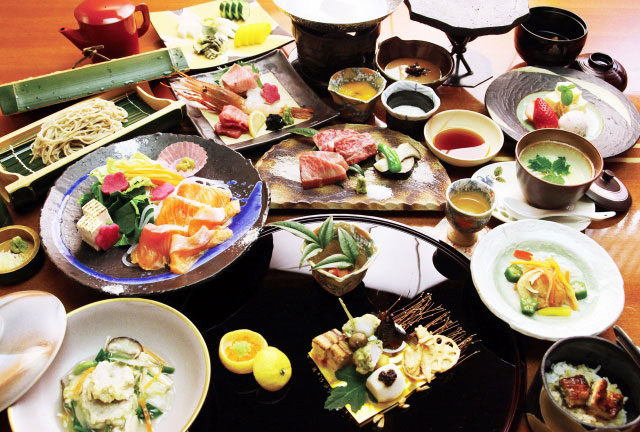
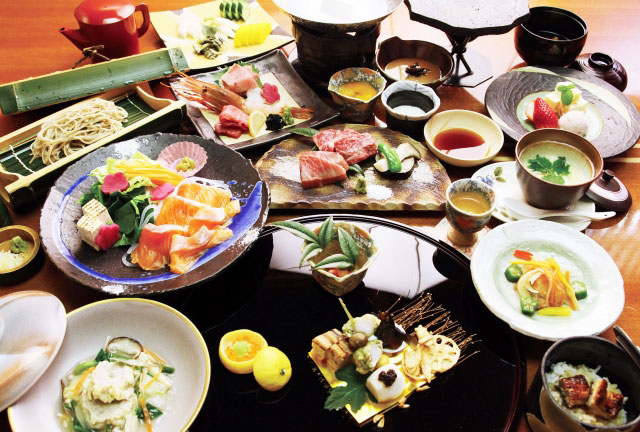
The presentation of Shojin Ryori is as important as the taste. Dishes are arranged with meticulous attention to detail, using beautiful ceramics and lacquerware. Garnishes, such as edible flowers and carefully cut vegetables, add visual appeal. The goal is to create a harmonious and balanced composition that delights all the senses.
Kyoto's Shojin Ryori Gems: Where to Experience the Tradition
Kyoto offers a variety of options for experiencing Shojin Ryori, from elegant temple restaurants to cozy family-run establishments. Here are a few recommendations:
- Shigetsu (Tenryu-ji Temple, Arashiyama): Located within the serene Tenryu-ji Temple in Arashiyama, Shigetsu offers a truly unforgettable dining experience. The setting is exquisite, with views of the temple's beautiful Zen garden. The cuisine is refined and meticulously prepared, showcasing the best of seasonal ingredients. This is a higher-end option, perfect for a special occasion.
- Yoshiya: If you're looking for a more casual and affordable option, Yoshiya is an excellent choice. This restaurant is particularly known for its delicious tofu-based Shojin Ryori. They offer a variety of set meals and a la carte dishes, all made with fresh, high-quality ingredients.
- Daijiin: For a more intimate and authentic experience, venture a bit further north of central Kyoto to Daijiin. This family-run restaurant is a hidden gem, offering traditional Shojin Ryori in a cozy and welcoming atmosphere. The portions are generous, and the prices are reasonable. Reservations are highly recommended, as it's a small and popular spot. This is a hidden gem and truly special experience.
Embark on a Mindful Culinary Journey
Exploring Shojin Ryori in Kyoto is more than just trying a new cuisine; it's an opportunity to connect with the city's culture, history, and spiritual traditions. It's a chance to slow down, appreciate the simple pleasures of life, and nourish your body and soul. By embracing the mindful approach of Shojin Ryori, you'll gain a deeper understanding of Zen Buddhism and the art of living in harmony with nature. So, on your next visit to Kyoto, be sure to seek out this unique culinary experience and discover the serenity and subtle profundity that awaits you on a plate.