Finding Myself in the Land of the Thunder Dragon...
Bhutan. The name itself conjures images of snow-capped peaks, ancient monasteries clinging to cliffs, and a culture steeped in spirituality. As a solo female traveler seeking more than just a vacation, I yearned for a spiritual journey Bhutan, a deep dive into a culture that prioritized Gross National Happiness over Gross Domestic Product. And so, I embarked on a journey to the Land of the Thunder Dragon, a decision that would irrevocably change my perspective on life, the world, and myself. This is the story of my Bhutan solo female travel experience, a tale of self-discovery amidst breathtaking beauty and profound cultural immersion.
Tshechu: A Kaleidoscope of Color and Connection
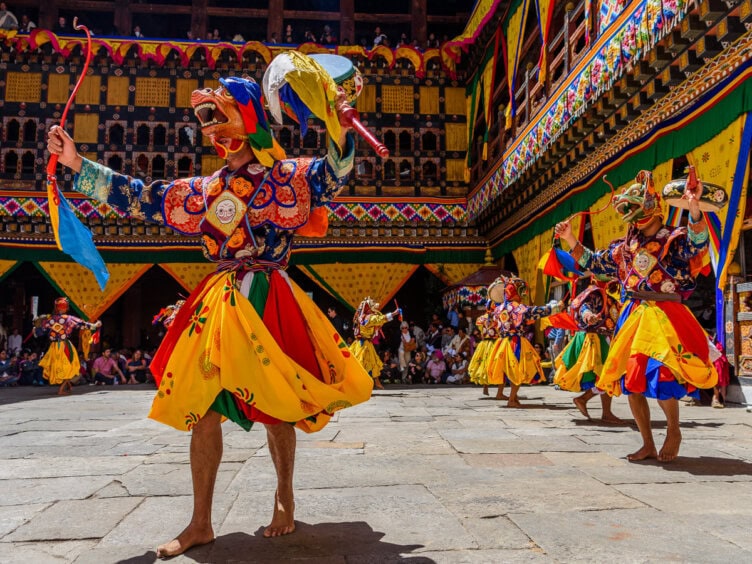
My arrival in Paro coincided with the annual Paro Tshechu festival, a vibrant celebration that draws people from all corners of Bhutan. Imagine, if you will, a courtyard bursting with color: monks adorned in elaborate silk brocade robes, their faces hidden behind intricate masks depicting deities and demons. The rhythmic chanting, the hypnotic beat of drums, the swirling movement of dancers enacting ancient stories – it was a sensory overload in the most beautiful way.
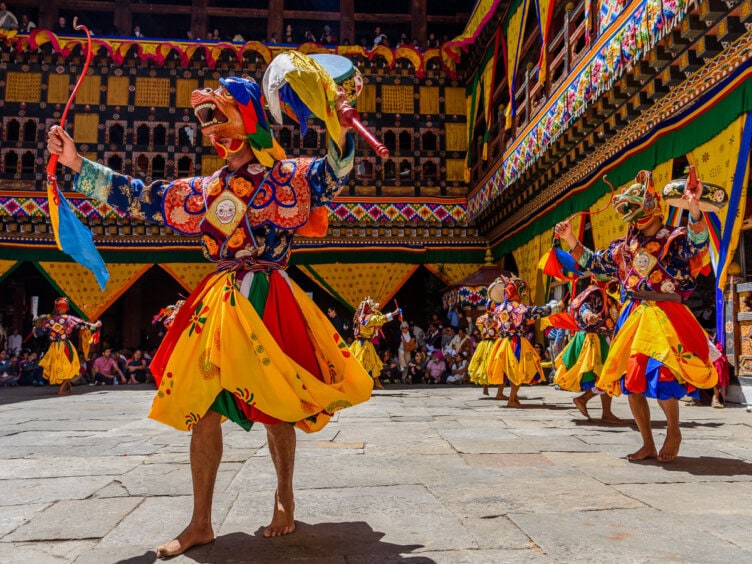
But the Tshechu was more than just a spectacle. As I stood there, watching families gather, children laughing, and a collective sense of reverence permeating the air, I felt an overwhelming connection to something larger than myself. It was a reminder that despite our differences, we are all united by our shared humanity. I found myself completely captivated by the Paro Tshechu festival experience.
"The air vibrates with faith," I scribbled in my journal that evening. "The masks are not just costumes, but portals to another realm. I feel… lighter."
The Ascent to Enlightenment: Tiger's Nest Monastery
No trip to Bhutan is complete without a hike to the iconic Tiger's Nest Monastery, or Taktsang Palphug Monastery. Perched precariously on a cliffside, it seems to defy gravity, a testament to human faith and determination. The Tiger's Nest Monastery hike solo was, without a doubt, the most physically challenging thing I did in Bhutan, but also the most rewarding.
The trail wound its way up through pine forests, the air thick with the scent of evergreens and the sound of prayer flags fluttering in the wind. Each step was a struggle, my breath growing shorter with the increasing altitude. But with every upward push, I was rewarded with increasingly stunning views of the Paro Valley below.
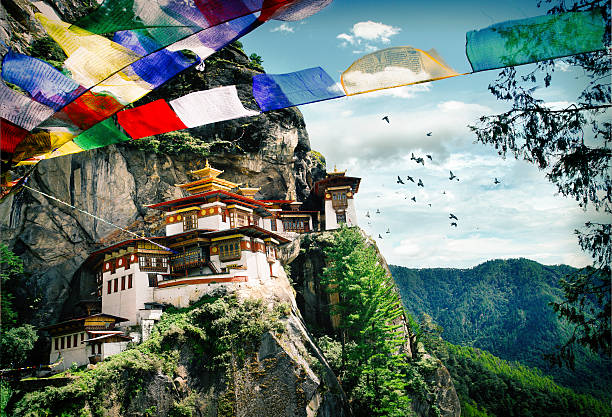
Reaching the monastery was an indescribable moment. A wave of exhaustion washed over me, quickly followed by an immense sense of accomplishment and a profound spiritual connection. Inside, the air was thick with the scent of incense, and the gentle chanting of monks filled the chambers. I sat in quiet contemplation, absorbing the energy of this sacred place, feeling a sense of peace I had never known before.
Later, in my journal, I wrote: "The climb was a metaphor for life. Difficult, yes, but the reward is immeasurable. I left a piece of myself on that mountain and gained something invaluable in return."
A Taste of Bhutan: Ema Datshi and Red Rice
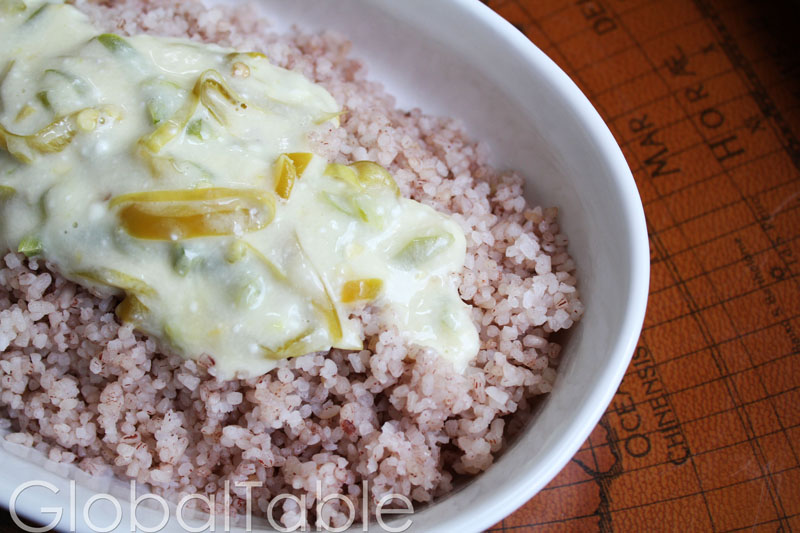
My Bhutan cultural immersion extended to the culinary realm, and no culinary experience is more quintessential than trying Bhutanese food Ema Datshi recipe. Ema Datshi, the national dish, is a fiery concoction of chilies and cheese. Yes, you read that right – chilies and cheese. The spiciness is intense, a slow burn that builds with each bite, while the cheese adds a creamy, tangy counterpoint. It's a unique and unforgettable flavor combination.
Served alongside red rice, a staple in Bhutanese cuisine, the Ema Datshi becomes a complete meal. The red rice, with its slightly nutty flavor and chewy texture, provides a welcome respite from the heat of the chilies. I was fortunate enough to share a meal with a local family, learning about their traditions and customs over steaming bowls of Ema Datshi and red rice.
Sharing this meal with a Bhutanese family really touched me. They welcomed me into their home and lives without any hesitation. I wrote "Food is more than sustanence. It's connection, and family"
Majestic Mountains and Ancient Dzongs: A Landscape of Serenity
The Himalayan travel guide books don't lie - Bhutan's landscape is simply breathtaking. Towering mountains pierce the sky, their snow-capped peaks glistening in the sun. Lush valleys are carpeted in vibrant green, dotted with traditional farmhouses and prayer flags. And then there are the Dzongs – massive fortresses that serve as both administrative centers and monasteries, their imposing architecture a testament to Bhutan's rich history and cultural heritage.
These stunning landscapes and the beautiful Dzongs contributed immensely to the feeling of peace and serenity I experienced throughout my journey. The sheer scale of the mountains humbled me, reminding me of my place in the universe. The intricate details of the Dzongs inspired awe and wonder, a testament to the artistic and spiritual traditions of Bhutan.
Practical Advice for Solo Female Travelers
Planning a travel to Bhutan as a solo female traveler can seem daunting, but it's an incredibly rewarding experience. Here are a few practical tips to help you prepare:
- Cultural Etiquette: Dress respectfully when visiting monasteries (cover your shoulders and knees). Remove your shoes before entering sacred spaces. Avoid pointing your feet at people or religious objects.
- Safety Tips: Bhutan is generally a very safe country for solo female travelers. However, it's always wise to be aware of your surroundings and take precautions, especially when hiking or traveling alone at night.
- Visa and Permits: Bhutan requires all tourists (except citizens of India, Bangladesh, and Maldives) to obtain a visa in advance. This is usually arranged through a licensed Bhutanese tour operator.
Is Bhutan safe for solo female travelers? Absolutely. In fact, I felt safer in Bhutan than I do in many Western countries. The Bhutanese people are incredibly warm, welcoming, and respectful. Their genuine hospitality and kindness made me feel at ease throughout my entire trip. What is the best time to visit Bhutan? Spring (March-May) and autumn (September-November) offer the most pleasant weather.
Finding Myself in the Kingdom
My journey to Bhutan was more than just a vacation; it was a transformative experience that profoundly impacted my life. The combination of cultural immersion, physical challenges, and breathtaking scenery helped me to gain a new perspective on life and connect with my inner self. The spiritual journey Bhutan provided gave me new tools and inspiration to bring back home.
I left Bhutan with a deep sense of gratitude for the experiences I had, the people I met, and the lessons I learned. I returned home with a renewed sense of purpose, a commitment to living a more mindful and compassionate life, and a deep appreciation for the transformative power of travel.
As I wrote in my journal on my last day in Bhutan: "I came here seeking enlightenment, and I found it not in a temple or a book, but in the kindness of strangers, the challenge of a mountain, and the beauty of a culture that values happiness above all else. I came to Bhutan a traveler, but I leave as a changed woman." Consider Vistalocation.com to arrange your own transformative journey to the Land of the Thunder Dragon. Book Your Bhutan Tour Today!