Finding My Soul (and Sambal Matah) in Ubud: A Solo Female Traveler's Guide to Sustainable Living at The Sunrise House Bamboo Airbnb
For a digital nomad in her late 20s, the search for authentic and sustainable tourism experiences often feels like a full-time job in itself. I'm always on the lookout for destinations that not only offer stunning visuals and cultural immersion but also prioritize ethical travel and respect for the local community. That's precisely what drew me to Ubud, Bali, and, more specifically, to The Sunrise House Bamboo Airbnb. If you're a fellow eco-conscious millennial or Gen Z traveler seeking a unique Balinese culture experience, keep reading!
A Bamboo Dream: My Eco-Friendly Accommodation in Ubud
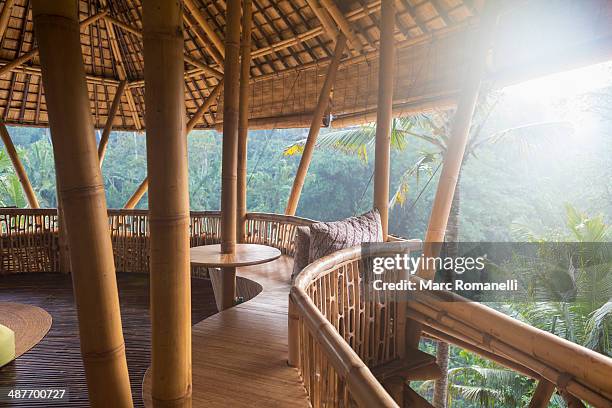
Let's be honest, scrolling through Airbnb for hours can be overwhelming. But when I stumbled upon [The Sunrise House Bamboo Airbnb](Insert Actual Airbnb Link), I knew I had found something special. The photos alone were enough to sell me: a breathtaking bamboo structure nestled amidst lush greenery, promising tranquility and a deep connection with nature. As an eco-friendly Ubud accommodation, it was more than just a place to stay; it was an integral part of my sustainable travel Bali journey. The open-air design allowed me to wake up to the sounds of the jungle, and the lack of air conditioning (which I initially worried about) was easily offset by the natural breeze flowing through the bamboo walls. At night, the symphony of crickets and the occasional gecko serenade made for the most relaxing sleep. Sustainable Bamboo Architecture Bali is truly a marvel, and The Sunrise House embodies this beautifully.
More Than Just a Pretty Place: The Sustainable Ethos
What truly sets The Sunrise House apart is its commitment to sustainability. It's not just about the bamboo; it's about a holistic approach to living in harmony with the environment. Water is sourced from a natural spring, waste is composted, and the entire property runs on renewable energy. Pak Agus, the owner, is incredibly passionate about preserving traditional Balinese craftsmanship and promoting sustainable living. He ensures that everything, from the linens to the toiletries, is sourced locally and ethically. He is the heart of this place, and his passion is incredibly infectious.
A Culinary Journey: Unlocking Balinese Culture Through Food
No trip to Bali is complete without diving headfirst into its incredible culinary scene. And what better way to do that than with a hands-on Balinese cooking class Ubud? I booked a class at [Paon Bali Cooking Class](Insert Actual Paon Bali Cooking Class Link), and it was an absolute highlight of my stay.
From Garden to Plate: Sourcing Local and Sustainable
The class began with a trip to the local market, where we learned about the incredible variety of fruits, vegetables, and spices that make Balinese cuisine so unique. The air was thick with the aromas of lemongrass, ginger, and burning coconut husks – a sensory overload in the best possible way. We then returned to Paon Bali's beautiful open-air kitchen, where we learned to prepare several classic dishes. The instructors emphasized the importance of using fresh, locally sourced ingredients, minimizing waste, and respecting traditional cooking methods.
A Symphony of Flavors: Sambal Matah and Beyond
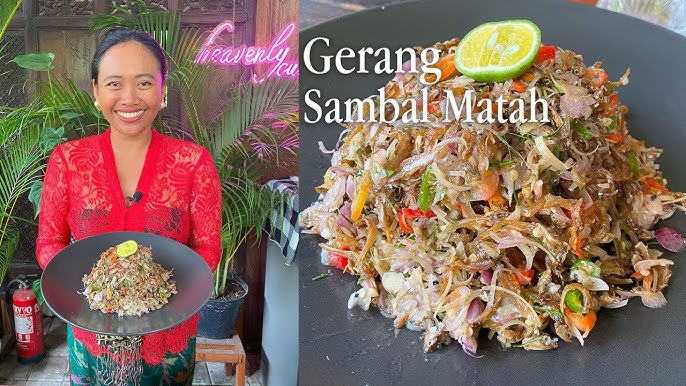
Under the guidance of our patient and knowledgeable teachers, we chopped, pounded, and stirred our way through a feast of Balinese delicacies. The Sambal Matah, a raw shallot and chili salsa, was a particular favorite. The explosion of flavors – spicy, tangy, and aromatic – was simply divine. We also prepared Gado-Gado (Indonesian salad with peanut sauce) and Bebek Betutu (slow-cooked duck), each dish a testament to the rich culinary heritage of Bali. This Balinese culture immersion tour truly broadened my understanding of local traditions.
Question: What dishes are taught in a Balinese cooking class?
You can expect to learn how to make traditional dishes like Nasi Goreng, Gado-Gado, Sate Lilit, and Sambal Matah.
Hands-On Learning: Bamboo Construction with Pak Agus
Pak Agus wasn't just the owner of The Sunrise House; he was also a master craftsman with a deep knowledge of sustainable bamboo architecture Bali. He offered a half-day workshop where I (and a few other lucky guests) got to learn about bamboo construction techniques firsthand.
The Art of Bamboo: A Sustainable Building Material
We learned about the different types of bamboo, how to select the right pieces for construction, and the various techniques used to join them together. Feeling the smooth, cool texture of the bamboo in my hands, working with the traditional tools, and contributing to a small bamboo structure was incredibly rewarding. Pak Agus Bamboo Workshop Review: it's beginner-friendly and educational.
Preserving Tradition: A Commitment to Local Artisans
Pak Agus is deeply committed to preserving traditional Balinese craftsmanship and providing opportunities for local artisans. He works closely with a team of skilled builders and craftspeople, ensuring that their knowledge and skills are passed on to future generations. His dedication to ethical travel and community empowerment is truly inspiring.
Question: Are there bamboo building workshops in Ubud for beginners?
Yes, Pak Agus offers bamboo building workshops that are beginner-friendly and perfect for learning the basics of sustainable bamboo construction.
Giving Back to the Land: Volunteering at Bali Farmstay
To further immerse myself in the sustainable tourism ethos of Ubud, I spent an afternoon volunteering at [Bali Farmstay](Insert Bali Farmstay Link), an organic farm that supplies fresh produce to The Sunrise House. This was a chance to contribute directly to their organic farming practices.
From Seed to Table: Supporting Sustainable Agriculture
The farm was a vibrant oasis of green, teeming with life. I spent my afternoon planting seedlings, weeding vegetable patches, and harvesting ripe fruits and vegetables. It was hard work, but incredibly rewarding. Knowing that I was contributing to the production of healthy, sustainable food that would be enjoyed by others was a deeply satisfying experience.
Making a Difference: A Direct Contribution to Sustainability
Volunteering at Bali Farmstay gave me a newfound appreciation for the hard work and dedication that goes into producing organic food. It also reinforced the importance of supporting local farmers and choosing sustainable options whenever possible. You can volunteer Bali Farmstay even with no prior experience!
Question: How much does it cost to volunteer on an organic farm in Bali?
Many organic farms in Bali offer free volunteering opportunities in exchange for accommodation and food.
Connecting with the Heart of Bali: Hospitality and Sustainability
My stay in Ubud was more than just a vacation; it was a transformative experience that deepened my understanding of Balinese culture and the importance of sustainable tourism. The kindness and hospitality of the Balinese people were overwhelming, and their commitment to preserving their traditions and protecting their environment was truly inspiring.
The Warmth of Balinese Hospitality
Every interaction I had with the local people was filled with warmth and genuine kindness. From the staff at The Sunrise House to the instructors at Paon Bali Cooking Class to the farmers at Bali Farmstay, everyone welcomed me with open arms and shared their knowledge and passion with me.
Question: How to experience Balinese culture responsibly in Ubud?
Engage in activities that support local communities, respect traditional customs, and minimize your environmental impact. This includes choosing eco-friendly accommodations, participating in cultural workshops, and supporting local businesses.
Sustainable Tourism: A Collective Responsibility
My experience in Ubud reinforced the idea that sustainable tourism is not just a trend; it's a collective responsibility. We all have a role to play in protecting the planet and preserving the cultures we visit. By choosing eco-friendly accommodation, supporting local businesses, and engaging in responsible tourism practices, we can all make a difference.
Ubud Travel Guide: Tips for the Eco-Conscious Traveler
If you're planning a trip to Ubud and want to experience the magic of sustainable living firsthand, here are a few tips:
- Choose eco-friendly accommodation: Look for accommodations that prioritize sustainability, such as The Sunrise House Bamboo Airbnb.
- Support local businesses: Eat at local restaurants, shop at local markets, and book tours with local guides.
- Participate in cultural activities: Take a cooking class, attend a traditional dance performance, or visit a local temple.
- Respect the environment: Minimize your waste, conserve water, and avoid single-use plastics.
- Volunteer your time: Consider volunteering at a local farm or organization.
- Pack responsibly: Bring reusable water bottles, shopping bags, and toiletries.
Question: Where can I find sustainable accommodation in Ubud?
Websites like Vistalocation, Airbnb, and Booking.com offer filters to find eco-friendly accommodations in Ubud. Look for certifications like Green Globe or EarthCheck, and read reviews from other travelers.
Conclusion: A Journey of Self-Discovery and Sustainable Living
My stay at The Sunrise House Bamboo Airbnb in Ubud was more than just a vacation; it was a journey of self-discovery and a profound connection with Balinese culture. I learned so much about sustainable tourism, ethical travel, and the importance of respecting the environment and the local community. If you're looking for a truly transformative travel experience, I highly recommend visiting Ubud and immersing yourself in the magic of sustainable Bali. Book your own ethical travel Ubud solo female adventure today!
Ready to experience the magic for yourself? [Book your stay at The Sunrise House Bamboo Airbnb now!](Insert Actual Airbnb Link)
Instagram Reels/TikTok Concept: Balinese Cooking in 30 Seconds - Sustainable Edition
Framework: HOOK + SCENE + TWIST
- HOOK (0-3 seconds): Start in medias res with a rapid close-up of a hand using a traditional Balinese knife ("suddenly") rapidly chopping red chilies on a wooden cutting board – creating a burst of vibrant red and green. Speed ramp this action.
- SCENE (3-25 seconds): Cinematic 4K, shot on RED, with golden hour lighting. Use a GoPro POV shot, looking down on the chopping board as the hand expertly slices shallots, lemongrass, and kaffir lime leaves. Transition to a low-angle shot showcasing the clay pot being heated over a traditional wood-fired stove. Use a shallow depth of field to focus on the ingredients. Include a quick orbit shot around the finished Sambal Matah.
- TWIST (25-30 seconds): Suddenly zoom out to reveal the digital nomad blogger (you!) presenting the Sambal Matah with a huge smile, then pan to show the vista of the lush Ubud rice terraces. Text overlay: "Sustainably Sourced Sambal Matah in Ubud! [Link in Bio]".
Viral Elements:
- SURPRISE: The initial rapid, extreme close-up of the chili chopping.
- CLARITY: Clear shots of each ingredient and the final product.
- EMOTION: Evokes joy and curiosity about Balinese cooking.
- VISUAL STYLE: Cinematic, vibrant, authentic.
Technical Specifications:
- CAMERA WORK: Rapid close-up, GoPro POV, low-angle, orbit, zoom.
- LIGHTING: Golden hour, warm and inviting.
- COMPOSITION: Close-ups, shallow depth of field, wide shot.
- QUALITY: Cinematic 4K, shot on RED.