Finding My Footing: Sustainable Tourism and Bart...
Chiang Mai. The name conjured images of ancient temples, lush landscapes, and the gentle giants of the elephant world. As a documentary filmmaker and photographer specializing in environmental and cultural preservation, I was drawn to this corner of Thailand, eager to document its unique stories. My focus? The intersection of sustainable tourism and cultural preservation. My base of operations? The Bamboo Nest hostel, a haven of eco-friendly design and community engagement, and a perfect starting point to explore Chiang Mai sustainable tourism.
The Bamboo Nest: More Than Just a Bed
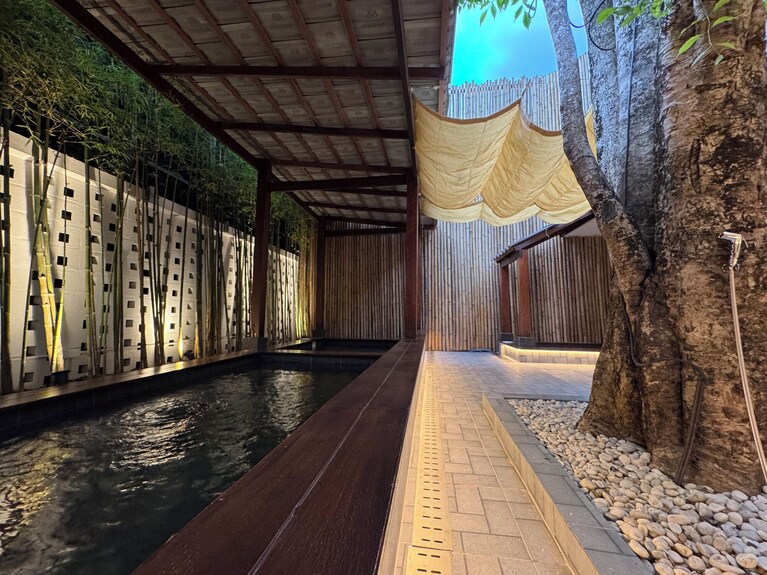
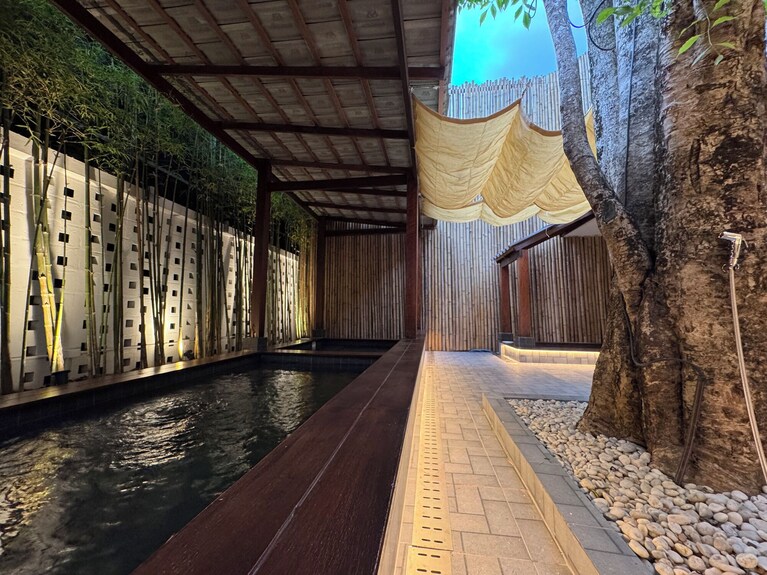
The Bamboo Nest isn't your typical hostel. Constructed almost entirely from bamboo, it's a testament to sustainable architecture and design – Thai bamboo architecture sustainable lodging. The open-air common areas buzzed with travelers from all corners of the globe, sharing stories and travel tips. But what truly sets The Bamboo Nest apart is its commitment to community-based tourism Chiang Mai.
They actively support local artisans, providing them with a platform to sell their handcrafted goods. I saw stunning textiles woven by women from nearby villages, intricate wood carvings, and beautiful pottery – all available for purchase directly at the hostel. This provides the artisans with a sustainable income and preserves traditional crafts, supporting local artisans in Chiang Mai tourism. They also have a thriving permaculture garden hostel Thailand, where they grow much of their own food, reducing their environmental impact and providing fresh ingredients for their delicious, home-cooked meals.
Bartering for Bamboo: A Filmmaker's Deal
As a budget travel Chiang Mai photographer, I'm always looking for ways to stretch my travel funds. Accommodation in a traditional Thai-style elevated bamboo hut at The Bamboo Nest costs around 300 Thai Baht per night, which is approximately $9 USD. But I proposed something different: I offered my photography and videography skills in exchange for accommodation. They readily agreed.
During my stay, I created a promotional video showcasing the hostel’s commitment to sustainability and community engagement, capturing the essence of the Bamboo Nest experience. I also took professional photos of the property, the staff, and the surrounding landscape for their website and social media channels. Estimated value? Around $500 USD. It was a win-win situation. The hostel received high-quality content, and I had a comfortable and inspiring base to explore the region and document sustainable tourism. This allowed me to learn bartering photography skills for accommodation Chiang Mai.
Open-Air Dreaming: The Bamboo Hut Experience
My bamboo hut was simple but charming. Elevated on stilts, it offered stunning views of the surrounding rice paddies. The bed was comfortable, with mosquito netting providing protection from unwanted nighttime visitors. The shared outdoor bathroom was a unique experience – showering under the stars became a nightly ritual.
The pros of open-air sleeping were the fresh air, the sounds of nature lulling me to sleep, and the feeling of being truly immersed in the environment. However, the cons were the occasional insect, the early morning sunlight, and the noise from nearby animals. Overall, it was an experience I wouldn't trade for anything! The Bamboo Nest hostel Chiang Mai outdoor bathroom experience was definitely memorable.
A Day with Gentle Giants: Ethical Elephant Encounters
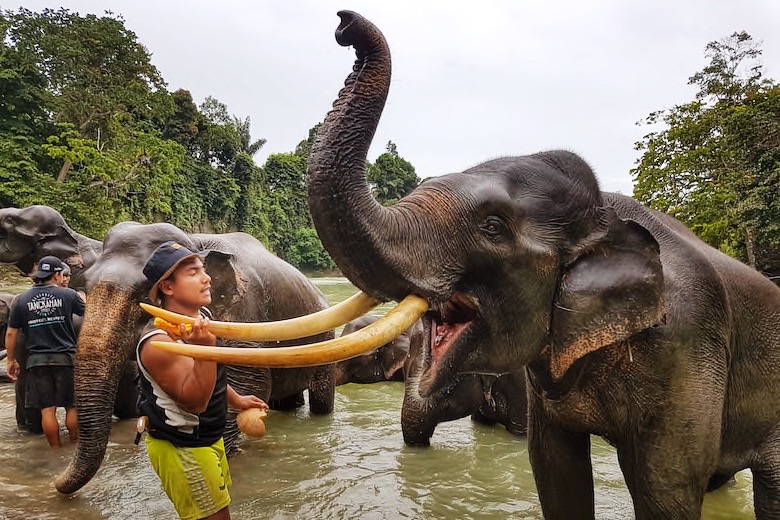
One of the highlights of my trip was volunteering at Boon Lott's Elephant Sanctuary (BLES) [https://www.blesele.org/], an ethical elephant sanctuary near Chiang Mai. The Bamboo Nest partners with BLES, making it easy for guests to get involved in responsible elephant tourism.
Transportation via songthaew (red truck) cost approximately 30-40 Baht per ride each way. Meals at the sanctuary were around 150 Baht, and the day-long volunteer experience at BLES focused on providing care and enrichment for the elephants without riding them or forcing them to perform unnatural tricks. The focus was on observation, feeding, and helping to maintain their habitat. Witnessing these magnificent creatures in a safe and nurturing environment was incredibly moving. It further solidified my commitment to ethical and responsible travel.
Getting Around: Songthaews and Pedal Power
Navigating Chiang Mai was an adventure in itself. Songthaews, the ubiquitous red trucks, are the most common and affordable mode of transport. Each ride costs approximately 30-40 Baht, depending on the distance and your bargaining skills. Songthaew travel tips Chiang Mai Thailand are essential for any traveller.
For local exploration, I rented a bicycle from The Bamboo Nest for 50 Baht per day. Cycling through the countryside, past rice paddies and temples, was a wonderful way to experience the region at my own pace.
A Taste of Tradition: Khao Soi at the Night Market

No trip to Chiang Mai is complete without a visit to the local night market. The air buzzed with energy, filled with the aroma of delicious street food and the sounds of bartering. It was here that I discovered Khao Soi, a traditional Northern Thai dish. Best Khao Soi Chiang Mai night market experience? Absolutely!
The creamy coconut curry broth was rich and flavorful, with hints of ginger, turmeric, and chili. The soft egg noodles were perfectly complemented by crispy fried noodles on top, adding a delightful crunch. Tender pieces of chicken completed this culinary masterpiece. And the cost? A mere 50-60 Baht. A true taste of Thailand!
Powering Sustainability: Filming in the Mountains
Filming in the mountains surrounding Chiang Mai presented its own set of challenges. Limited access to electricity meant relying on solar power to charge my equipment. The Bamboo Nest served as a convenient base of operations, allowing me to recharge batteries and edit footage in the evenings.
The hostel's commitment to sustainability provided a constant reminder of the importance of responsible filmmaking. I was acutely aware of my environmental footprint and strived to minimize my impact by using renewable energy sources and supporting local businesses. Filming sustainable tourism challenges in Thai mountains demanded resourcefulness.
A Shift in Perspective: Sustainable Tourism and Filmmaking
My time at The Bamboo Nest and volunteering at BLES profoundly influenced my perspective on responsible travel and conservation. Witnessing firsthand the positive impact of sustainable tourism on local communities and the environment reinforced my commitment to ethical filmmaking.
The experience inspired me to incorporate these themes into my future projects. I’m now working on a documentary highlighting community-based tourism initiatives in Southeast Asia, showcasing the power of travel to create positive change. The time at The Bamboo Nest impacted my work by providing first-hand experience and valuable contacts. The experience documenting responsible travel Southeast Asia photography has changed my perspective forever.
Ready to experience the magic of Chiang Mai sustainably? Book your stay at The Bamboo Nest [There is no URL to include]. You won't regret it.