Finding Inspiration in the Mayan Jungle: A Sustainable Fashion Designer's Journey at Azulik Uh May
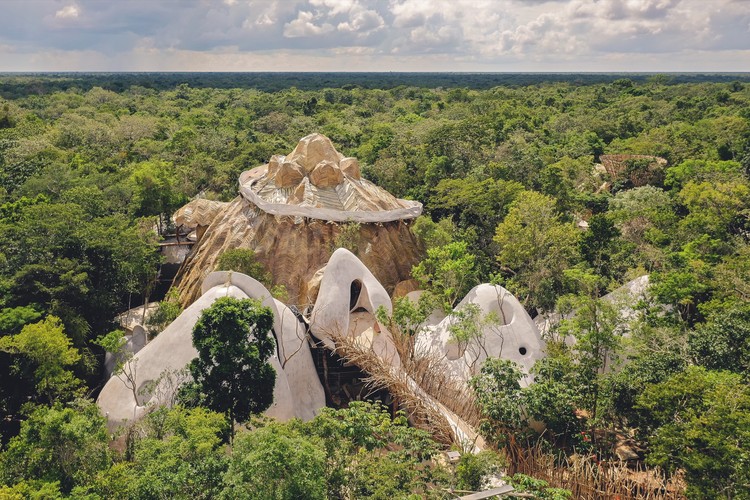
As a sustainable fashion designer, I, Anya Sharma, am constantly seeking new sources of inspiration. My passion lies in creating beautiful, ethically made clothing that respects both people and the planet. So, when I heard about the Azulik Uh May Eco-Village in Tulum, Mexico, I knew I had to experience it firsthand. This wasn't just a vacation; it was a research trip, a pilgrimage to a place where architecture and nature intertwine, and where ancient traditions are honored and integrated with modern sustainable practices. My goal was to immerse myself in the environment, learn from the local Mayan community, and find inspiration for my next clothing line, a collection that would truly embody the spirit of eco-conscious fashion Mexico.
Immersed in Sustainable Design and Jungle Harmony
Azulik Uh May is unlike any place I've ever stayed. The eco-village is a testament to Mayan jungle architectural integration, where buildings seem to grow organically from the landscape. The use of locally sourced materials is immediately apparent, with bamboo, reclaimed wood, and natural clay forming the foundation of each villa and communal space.
What truly impressed me was how the design minimized environmental impact. The villas are raised on stilts, allowing the jungle ecosystem to thrive undisturbed beneath them. Natural ventilation and an abundance of natural light reduce the need for air conditioning and artificial lighting, creating a comfortable and energy-efficient environment. Even the smallest details are carefully considered, from rainwater harvesting systems to organic waste composting.
Sustainable Practices in Action
I was particularly curious about the specific sustainable practices employed by Azulik Uh May. Here are some notable examples:
- Construction Techniques: The use of traditional Mayan building techniques, adapted for modern needs, reduces reliance on heavy machinery and imported materials.
- Water Management: Rainwater is collected and filtered for use in showers and toilets, conserving precious freshwater resources.
- Waste Reduction: A comprehensive composting system turns organic waste into valuable fertilizer for the eco-village's gardens.
- Energy Efficiency: Solar panels provide a portion of the electricity, and energy-efficient appliances are used throughout the property.
- Chemical-Free Environment: Only natural, biodegradable cleaning products are used, protecting the delicate ecosystem from harmful chemicals.
Connecting with the Community: A Mayan Weaving Workshop
Beyond its stunning architecture and sustainable practices, Azulik Uh May is deeply committed to supporting the local Mayan community. The eco-village provides employment opportunities for local residents and partners with Mayan artisans to create handcrafted furniture, textiles, and decorative items. This commitment to sustainable design Tulum inspiration goes beyond mere aesthetics; it's about creating a positive social impact.
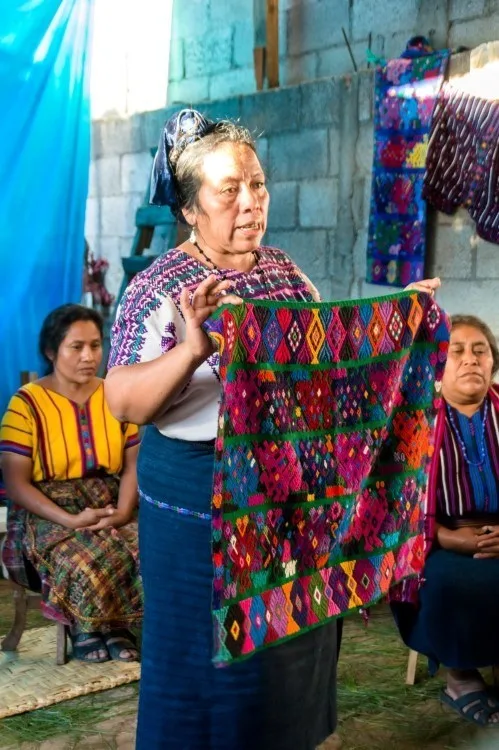
One of the highlights of my stay was participating in a traditional Mayan weaving workshop. It was an incredible opportunity to learn about this ancient art form directly from the artisans who have preserved it for generations.
Immersed in Ancient Techniques
The workshop began with an introduction to the history and significance of Mayan weaving. I learned that weaving is more than just a craft; it's a way of preserving cultural identity and passing down knowledge from one generation to the next. The intricate patterns woven into the textiles tell stories of the Mayan people, their beliefs, and their connection to the natural world.
We were then guided through the process of setting up the loom and learning the basic weaving techniques. The artisans patiently demonstrated how to interlace the threads to create different patterns and textures. It was challenging at first, but with their guidance and encouragement, I slowly began to get the hang of it.
Sustainable Dyes and Ancient Wisdom
I was particularly interested in the sourcing of the dyes used in the weaving process. I learned that the artisans use natural dyes derived from plants, insects, and minerals found in the local environment. This sustainable approach to dyeing not only protects the environment but also creates beautiful, unique colors that reflect the natural beauty of the Mayan jungle.
I also inquired about the long-term sustainability of the weaving process, and how they’re passing on this wisdom. The artisans explained that they are actively involved in reforestation efforts to ensure a sustainable supply of plant-based dyes. They also emphasized the importance of teaching the younger generation the art of weaving, ensuring that this valuable tradition will continue to thrive for years to come. They talked of their grandmothers teaching them and their mothers, creating a chain of knowledge.
The Power of Connection
Spending time with the Mayan artisans was a deeply moving experience. I was struck by their skill, their passion, and their unwavering commitment to preserving their cultural heritage. I felt a strong sense of connection to them, to the land, and to the ancient traditions that have shaped their lives.
This experience truly impacted my understanding of local culture, and the importance of sustainable practices.
Fashion Inspiration from the Jungle: Weaving Sustainability into Design
My time at Azulik Uh May has profoundly influenced my vision for my new clothing line. The architecture, colors, textures, and cultural immersion inspired me in ways I never imagined.
Design Elements Inspired by Nature
I plan to incorporate the following design elements into my collection:
- Earth Tones and Natural Dyes: The colors of the Mayan jungle – earthy browns, vibrant greens, and warm ochres – will be reflected in the color palette of my clothing line. I will use natural dyes derived from plants and minerals to create these beautiful, sustainable hues.
- Flowing Silhouettes: The organic forms of the eco-village's architecture, with its curved lines and natural shapes, will inspire the flowing silhouettes of my designs. I want to create garments that move with the body and evoke a sense of freedom and connection to nature.
- Mayan Weaving Patterns: I will collaborate with Mayan artisans to incorporate traditional weaving patterns into my designs. This will not only add a unique and authentic touch to my clothing but also support the local Mayan community and preserve their cultural heritage.
Ethical Sourcing and Sustainability
As always, I am committed to ethical sourcing and sustainability throughout the entire production process. I will use locally sourced, sustainable materials whenever possible, such as organic cotton, bamboo, and recycled fibers. I will also ensure that all garment workers are paid fair wages and work in safe and ethical conditions.
Supporting the Mayan Community
I am also committed to giving back to the Mayan community that has inspired me so deeply. I plan to donate a portion of the proceeds from my new clothing line to programs that support Mayan artisans, promote sustainable agriculture, and preserve Mayan cultural heritage. By supporting these initiatives, I hope to contribute to the long-term well-being of the community and ensure that their traditions continue to thrive for generations to come. The best sustainable fashion brands recognize the importance of collaboration.
A Call to Eco-Conscious Travel
My journey to Azulik Uh May was more than just a vacation; it was a transformative experience that has renewed my commitment to sustainable fashion and ethical design. I encourage everyone to consider eco-conscious travel and support businesses that are committed to protecting the environment and empowering local communities. By making conscious choices, we can all contribute to a more sustainable and equitable future. I hope that sharing my experiences in finding sustainable design Tulum inspiration encourages others to seek out and support similar organizations. I can't recommend Azulik Uh May enough to anyone who is interested in finding out more about sustainable travel.
Frequently Asked Questions About Eco-Travel in Tulum
- What is sustainable fashion in Mexico? Sustainable fashion in Mexico is about creating clothing and accessories using locally sourced, eco-friendly materials and ethical labor practices, often incorporating traditional techniques like Mayan weaving.
- How does Azulik Uh May integrate with the jungle ecosystem? The resort uses raised structures to minimize ground impact, natural ventilation to reduce energy use, and sources materials locally to blend with the environment.
- What workshops are available at Azulik Uh May? Azulik Uh May offers various workshops, including Mayan weaving, traditional cooking classes, and ecological awareness programs.
- How can I learn about traditional Mayan weaving? You can participate in workshops offered by local artisans in Tulum and surrounding areas, including those at Azulik Uh May.
- How does architecture integrate with the environment in Azulik Uh May? The architecture utilizes natural materials, organic shapes, and open designs to seamlessly merge with the jungle, minimizing environmental disruption.
I left Azulik Uh May feeling inspired, energized, and more committed than ever to creating fashion that is both beautiful and sustainable. The experience reinforced the importance of connecting with local communities, honoring cultural traditions, and minimizing our impact on the planet. My next collection will be a testament to the beauty and resilience of the Mayan people and the power of sustainable design to create a better world. I hope you will join me on this journey.