Finding Beauty in Imperfection: A Minimalist Architect's Journey Through a Kyoto Ryokan
As a minimalist architect, I, Anya Sharma, find beauty in simplicity, functionality, and experiences. My latest project focuses on sustainable urban housing, and I constantly seek inspiration from places that embody mindful living and a connection to nature. My recent stay at a traditional Ryokan in Kyoto, Japan, proved to be just that – an immersion into the philosophy of wabi-sabi that has profoundly influenced my approach to design. This isn’t just luxury travel Japan; it’s a journey into the heart of authentic Japanese design aesthetic.
Immersed in Tradition: A Kyoto Ryokan Experience
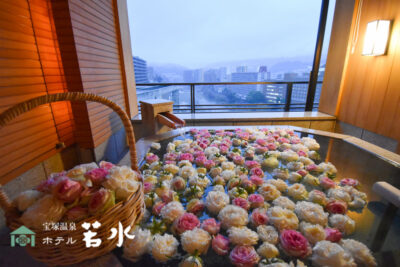
The Ryokan itself was a sanctuary, a stark contrast to the bustling city just beyond its walls. From the moment I stepped inside, I was enveloped in an atmosphere of tranquility. My room opened onto a meticulously maintained Zen garden, a miniature landscape designed to evoke contemplation and peace. But the real treasure was the private onsen, a hot spring bath overlooking the garden. The perfect place to practice mindfulness in a minimalist architecture Ryokan Kyoto.
The Art of Imperfection: Participating in a Japanese Tea Ceremony
One of the highlights of my stay was participating in a traditional Japanese tea ceremony. The movements were deliberate, almost meditative. Every gesture, from the scooping of the matcha to the swirling of the whisk, was performed with intention and grace. But what struck me most was the tea bowl itself. It wasn't a pristine, flawless object; instead, it bore the marks of its creation – subtle imperfections that spoke to its unique history. This embodiment of wabi-sabi was a powerful reminder that true beauty lies not in perfection, but in the acceptance of flaws and the appreciation of the natural aging process.
Conversations in the Garden: Exploring Wabi-Sabi with the Ryokan Owner
The Ryokan's owner, a gentle and insightful man, became my guide to understanding the deeper principles of wabi-sabi. Over cups of tea in the garden, he shared his philosophy, explaining how it was woven into the very fabric of the Ryokan's design.
"Wabi-sabi is about finding beauty in the imperfect, the impermanent, and the incomplete," he explained. "It's about embracing the natural world and finding contentment in simplicity."
He pointed to the aged wooden beams of the Ryokan, their grain weathered by time. "These imperfections tell a story," he said. "They remind us that nothing lasts forever, and that there is beauty in the natural cycle of decay and renewal."
This resonated deeply with me. I realized that in my pursuit of minimalist architecture, I had sometimes overlooked the importance of embracing imperfection and allowing natural materials to age gracefully.
Modern Interpretation of Wabi-Sabi: Influencing Sustainable Urban Housing
My experience at the Ryokan has fundamentally shifted my perspective on design. I am now actively incorporating the principles of wabi-sabi into my plans for sustainable urban housing. This involves:
- Using natural, sustainable materials: Choosing materials like reclaimed wood, bamboo, and natural stone that age beautifully and develop a unique patina over time.
- Embracing simplicity and functionality: Designing spaces that are uncluttered, efficient, and focused on the essential needs of the occupants.
- Celebrating imperfection: Allowing for natural variations in materials and finishes, and incorporating elements that show the passage of time.
Ryokan Experience Minimalist Architect: The Sustainable Design
By embracing these principles, I hope to create homes that are not only aesthetically pleasing but also deeply connected to the natural world and imbued with a sense of tranquility. Wabi-sabi influence sustainable housing design by celebrating simplicity, natural materials, and imperfections. Imagine urban dwellings that feel more like sanctuaries, spaces where residents can find respite from the stresses of modern life and reconnect with their inner selves. This Kyoto Ryokan stay wasn’t just a luxurious getaway; it was a catalyst for design transformation.
Authentic Japanese Design Aesthetic
The authentic Japanese design aesthetic of the Ryokan went beyond mere visual appeal. It was about creating an atmosphere of harmony and balance. The use of natural light, the careful placement of objects, and the emphasis on negative space all contributed to a sense of calm and serenity. This is a concept I want to bring into my designs for sustainable urban living. Creating spaces of peacefulness in a world of chaos.
ASMR Ryokan Japan bamboo spout: Sensory Experience
While at the Ryokan, I was struck by the sensory experience. The gentle sounds of the wind rustling through the bamboo, the scent of the tatami mats, the smooth feel of the wooden surfaces under my fingertips – all these elements contributed to a profound sense of well-being. I want to create buildings that engage all the senses, promoting a deeper connection to the environment and a greater sense of presence.
Minimalist architecture Ryokan Kyoto: A Unique Stay
My stay at the Kyoto Ryokan was more than just a vacation; it was a transformative experience that has profoundly impacted my approach to architecture. It reminded me that true beauty lies not in perfection, but in the acceptance of imperfection, the appreciation of simplicity, and the connection to nature. By embracing the principles of wabi-sabi, I hope to create spaces that are not only beautiful and functional but also deeply meaningful and sustainable. For those seeking unique stays Kyoto, I highly recommend considering a Ryokan. The journey of minimalist architecture Ryokan Kyoto offers an unforgettable experience.
For those interested in experiencing the tranquility of a traditional Ryokan for themselves, you can learn more at Vistalocation.com.
Embrace the Philosophy of Zen
Staying at the Ryokan reinforced my belief that design should extend beyond the visual and incorporate the philosophy of Zen, emphasizing mindfulness, simplicity, and harmony with nature. This translates into sustainable urban housing that minimizes environmental impact and maximizes the well-being of its residents.
Viral Video Script Concept
Visuals:
- [0-1 second]: Extreme close-up of water rapidly filling a dark green bamboo spout, slightly out of focus.
- [1-3 seconds]: The water rapidly overflows the spout and cascades onto the dark stones below. The camera is in slow motion, orbiting the spout.
- [3-5 seconds]: Focus on the texture of the wet bamboo, the details of the light reflecting off the water droplets.
- [5-7 seconds]: Continue slow orbit as water continues to overflow.
- [7-10 seconds]: Reflected in the overflow water (shallow depth of field), we see a fleeting and partial reflection of Anya's face - only part of her face (eye/cheek) - she smiles faintly.
- [10-12 seconds]: The reflection fades, and the video returns to the continued slow-motion shot of the water overflowing the spout. This continues as the video loops.
Audio:
- [0-12 seconds]: Primarily the sound of water filling and overflowing the bamboo spout. The sounds should be crisp, clear, and natural (ASMR quality). No music or voice-over.
Text Overlay (Optional, Subtle):
- End Screen: vistalocation.com/kyoto-ryokan
Viral Elements:
- SURPRISE: The unexpected sound of water overflowing.
- CLARITY: Focus on a single action (water overflowing).
- EMOTION: Curiosity and peacefulness.
- VISUAL STYLE: Cinematic, clean, and calming.