Fiji's Dual Reality: Culture, Climate Change, an...
The bones stared back at me, bleached white against the encroaching tide. A king tide, nearly two meters higher than normal, had ripped through the village graveyard on Viti Levu, exposing the remains of ancestors swallowed by the sea. The waves crashed relentlessly, a stark reminder of Fiji's vulnerability, captured in this visceral video:
(VIRAL VIDEO INTEGRATION):
[Fiji's Vanishing Ancestors](Replace with actual YouTube link when available)
It was a grim introduction to a paradise grappling with profound challenges, a stark contrast to the vibrant cultural experiences I'd sought out in Fiji. My journey became a mission: to understand both the beauty and the fragility of this island nation, and to advocate for sustainable tourism practices that can help preserve it. Join me as I share my experiences and insights from my recent trip, and learn how you can practice sustainable tourism Fiji.
Firewalking on Beqa Island: A Dance with Vilu
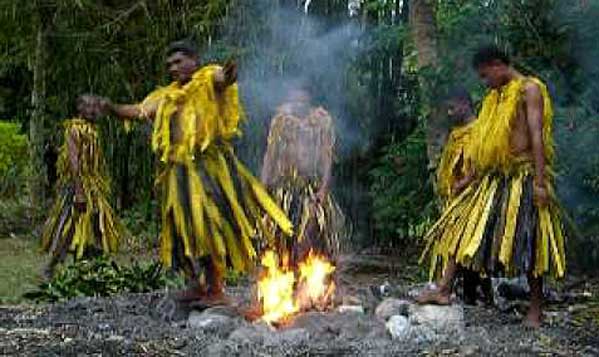
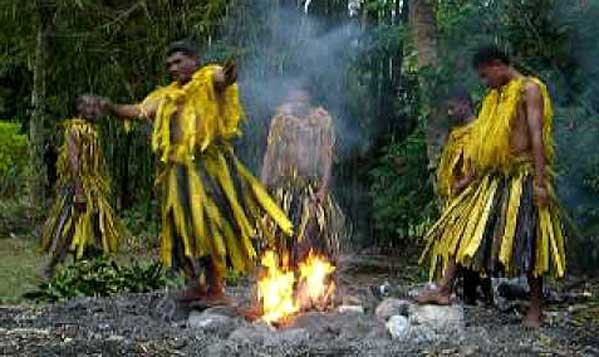
My Fijian adventure began on Beqa Island, famed for its ancient firewalking tradition. The air crackled with anticipation as the bete, or priests, prepared the lovo, a pit filled with scorching hot stones. Days before, they had meticulously gathered the stones and prepared themselves through ritual fasting and prayer. As I watched, I learned about the belief in Vilu, a spiritual power that protects the firewalkers. Specific plants, known only to the bete, are used to condition their feet, a closely guarded secret passed down through generations. The rhythmic chanting and the intense heat created an otherworldly atmosphere. It was more than a spectacle; it was a powerful display of faith and resilience, a testament to the enduring strength of Fiji cultural tourism. Witnessing the firewalking ceremony on Beqa Island Fiji, I felt a deep connection to the spiritual heart of Fiji.
Underwater Paradise at Waitabu Marine Park: Snorkeling Taveuni Soft Coral
Leaving the heat of Beqa behind, I journeyed to Taveuni, known as the "Garden Island," and to the Waitabu Marine Park Snorkeling Taveuni soft coral. This community-managed marine reserve is a testament to the power of local conservation efforts.
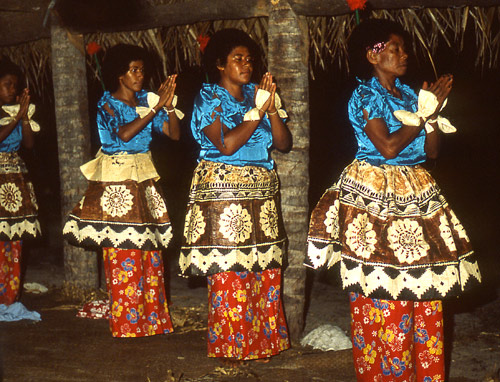
Diving into the crystal-clear waters, I was immediately surrounded by a kaleidoscope of color. The soft corals, in shades of pink, purple, and yellow, swayed gently in the current, providing a haven for countless fish. I was particularly impressed by the clam gardening practices implemented by the local community. By carefully cultivating giant clams, they are not only enhancing biodiversity but also creating a sustainable source of food and income. To experience the best soft coral in Fiji, make sure you don't skip out on diving into the Waitabu Marine Park, it's truly an underwater experience you can't miss.
Tapa Cloth Making on Kadavu Island: A Traditional Art Form
My journey continued to Kadavu Island, where I had the privilege of learning about the ancient art of tapa cloth making, known locally as Masi. The process begins with stripping the bark from mulberry trees. The outer bark is discarded, and the inner bark is soaked and then beaten with an ike, a wooden mallet, to create a thin, pliable sheet.
The sheets are then pieced together and decorated with intricate patterns using natural dyes. It's a labor-intensive process, but the result is a beautiful and durable fabric used for clothing, ceremonial purposes, and art. Learning to learn to make tapa cloth on Kadavu Island Fiji was a humbling experience, highlighting the ingenuity and resourcefulness of Fijian culture.
Savoring Kokoda: A Taste of Fiji
No trip to Fiji is complete without indulging in the local cuisine. One of my favorite dishes was Kokoda, a Fijian ceviche. Fresh walu (Spanish mackerel) is marinated in lemon juice until it's "cooked," then mixed with creamy coconut cream, diced vegetables, and chili. I savored this dish at a local restaurant, the tangy citrus perfectly complementing the rich coconut cream. It was a delightful explosion of flavors, a true taste of Fiji that can be easily recreated at home with this Authentic Fijian Kokoda recipe with walu: Marinate diced walu in lemon juice for at least 30 minutes, then mix with coconut cream, diced tomatoes, onions, and chili to taste. Serve chilled.
Coastal Erosion on Viti Levu: A Looming Threat
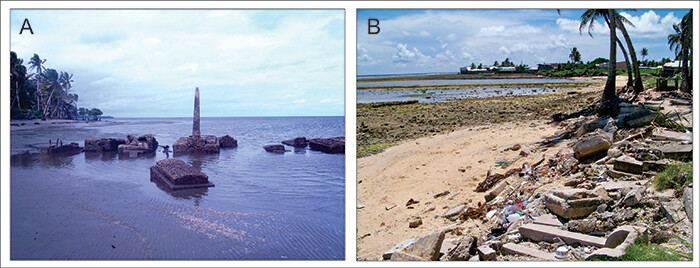
The idyllic images of Fiji often overshadow the harsh reality of coastal erosion. Along the coast of Viti Levu, I witnessed firsthand the devastating impact of rising sea levels and increasingly frequent extreme weather events. The king tide that exposed the burial grounds was a stark reminder of the vulnerability of these communities.
The woman in the video, like many others, is desperately trying to protect her family's history, but the relentless power of the ocean is overwhelming. Coastal erosion impact on Fiji burial grounds is not just an environmental issue; it's a cultural tragedy, forcing communities to relocate the remains of their ancestors and sever ties to their ancestral lands. The question of What is being done about coastal erosion in Fiji? is one that should be asked by every tourist, every local, and every government official.
Natewa Bay: A Beacon of Hope for Marine Conservation
Despite the challenges, there are reasons to be optimistic. My visit to Natewa Bay, home to the WWF Fiji Locally Managed Marine Area (FLMMA) Network, showcased the positive impact of community-based conservation efforts. The tabu areas, established for fish stock replenishment, are a shining example of how traditional knowledge and modern science can work together. By temporarily closing off certain areas to fishing, the communities are allowing fish populations to recover and ensuring a sustainable source of food for future generations. The work done to Support WWF Fiji Locally Managed Marine Areas are truly inspiring. I witnessed firsthand the thriving marine life within these protected zones, a testament to the effectiveness of these tabu practices.
Embracing Sustainable Tourism: A Call to Action
My journey through Fiji was a powerful reminder of the interconnectedness of culture, environment, and community. As travelers, we have a responsibility to minimize our impact and support sustainable tourism practices. One of the best ways to do this is by choosing homestay accommodations. Fiji Homestay Tourism offers a more authentic cultural experience, directly benefits local communities (especially women-owned businesses in villages), and has a significantly lower environmental footprint than large resorts. When snorkeling or swimming, always use reef-safe zinc oxide-based sunscreen to protect the delicate coral reefs. Remember Eco-friendly sunscreen for snorkeling in Fiji is non-negotiable.
Fiji faces an uphill battle against climate change, but the resilience and ingenuity of its people offer a beacon of hope. By choosing sustainable tourism, supporting local communities, and respecting the environment, we can all play a part in preserving this paradise for future generations.
Support sustainable tourism and reef conservation in Fiji. Learn how you can help at vistalocation.com.