Faroe Islands: Where the Landscape Architects th...
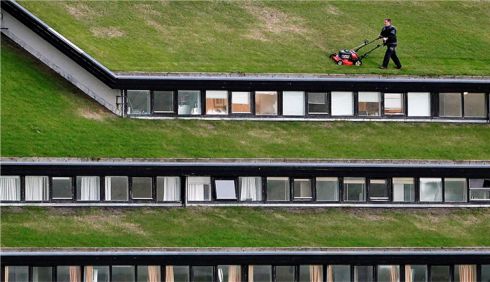
Arriving in the Faroe Islands felt like stepping into a dream, a landscape architect's dream sculpted by wind, sea, and centuries of tradition. As a 47-year-old Danish landscape architect named Elias Sørensen, I was drawn to these remote islands by their unique ability to seamlessly blend architecture with the natural environment. I sought inspiration for my sustainable housing project, and what I found was far more profound than I could have imagined. The raw power of the basalt cliffs juxtaposed with the vibrant green of the turf roofs left an indelible mark on my soul. This blog post will detail my week-long journey through this breathtaking archipelago.
G! Festival: Music, Culture, and the Faroese Spirit
My trip coincided with the G! Festival in Gøta, and I can honestly say that it was unlike any music festival I have ever experienced. Imagine a beach in a small Faroese village transformed into a vibrant celebration of music and culture. The air was thick with the smell of salt spray mingling with the enticing aroma of grilled lamb, a staple of Faroese cuisine. Faroese folk music intertwined with electronic beats, creating a unique and captivating soundscape.
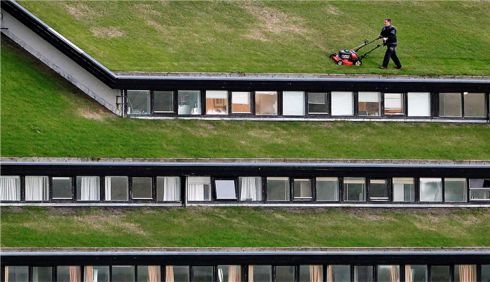
What truly struck me was the infectious energy of the crowd. People of all ages, many sporting colorful rubber boots (a necessity given the unpredictable weather), danced with unrestrained joy. I particularly enjoyed the performance by Eivør Pálsdóttir; her music seemed to echo the raw energy of the landscape, a perfect embodiment of the Faroese spirit. It quickly became clear that the Faroese people’s deep connection with art and music permeated every aspect of their lives, from their celebrations to their architecture. The energy of the G! Festival was infectious. It was raw, authentic, and deeply connected to the Faroese spirit.
Hiking to Kallur Lighthouse: A Testament to Nature's Power
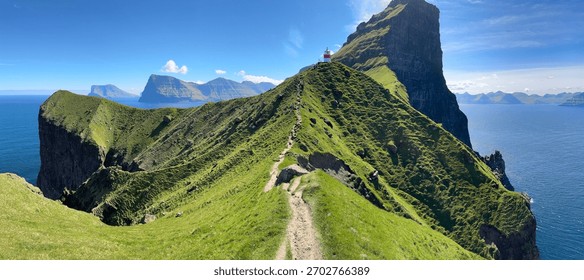
No trip to the Faroe Islands is complete without a hike to the iconic Kallur Lighthouse on Kalsoy island. The journey began with a ferry ride, followed by a challenging hike up steep, grassy slopes. The weather, as is typical in the Faroes, was unpredictable, shifting from sunshine to misty rain within minutes.
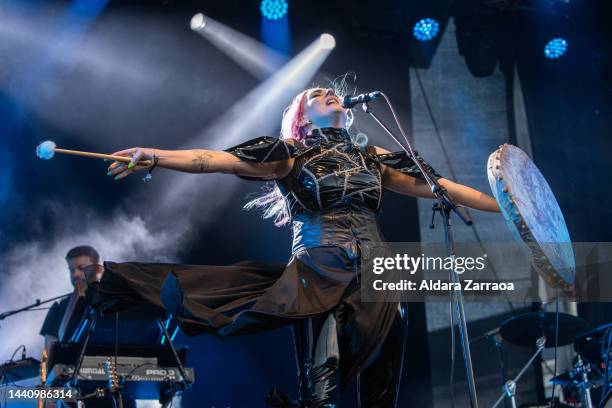
The hike to Kallur Lighthouse tested my endurance, but the reward was unparalleled. Standing at the edge of the world, with panoramic views of the dramatic cliffs and the endless expanse of the North Atlantic, I felt a profound connection to the raw power of nature. This experience resonated deeply with my work as a landscape architect, reminding me of the importance of designing structures that are not only functional but also harmonious with their environment. The Faroese people have a profound respect for nature, and this is reflected in their sustainable practices and their commitment to preserving their unique landscape. This respect is a key Faroese design principle.
How Difficult is the hike to Kallur Lighthouse?
The hike to Kallur Lighthouse is considered moderately challenging, mainly due to the steep and sometimes muddy terrain. Hikers should wear appropriate footwear and be prepared for unpredictable weather conditions.
Vestmanna Bird Cliffs: A Symphony of Sight and Sound
Another unforgettable experience was the boat tour to the Vestmanna bird cliffs. As we navigated the narrow straits, I was awestruck by the sheer scale of the cliffs, which towered above us like ancient fortresses. The air was filled with the cacophony of screeching seabirds and the pungent smell of guano.
Puffins, with their brightly colored beaks, dove into the water in search of food, while fulmars and guillemots clung to the cliff faces. Our guide shared fascinating stories about Faroese folklore, including tales of the Birdman, a mythical figure who could transform into a bird.
The Vestmanna bird cliffs were an awe-inspiring spectacle. The sheer scale of the cliffs and the sheer number of birds was a testament to the power and resilience of nature. This experience underscored the delicate balance of the ecosystem and the importance of preserving this natural wonder for future generations. It gave me a glimpse into the Faroese cultural experiences outside of the G! Festival.
Are there tours to see the bird cliffs in Vestmanna?
Yes, several tour operators offer boat tours to the Vestmanna bird cliffs. These tours typically last for 2-3 hours and provide close-up views of the cliffs and seabirds. Some recommended tour operators include insert example tour operator website here.
Faroese Cuisine: An Acquired Taste, But Unforgettable
Faroese cuisine is not for the faint of heart. The flavors are intense, and the textures can be challenging, but the experience is unforgettable. I had the opportunity to sample several traditional dishes, including Skerpikjøt (wind-dried mutton), Ræst kjøt (fermented mutton), and Garnatálg (fermented lamb intestines).
One evening, I ventured into a local restaurant in Tórshavn and ordered a plate of pan-fried Garnatálg. I must admit, the initial aroma was a bit off-putting, but I was determined to try it. The taste was… unique. Let’s just say it’s an acquired taste, one that I haven’t quite acquired yet. The fermentation process, a hallmark of Faroese cuisine, is a testament to the resourcefulness of the Faroese people and their deep connection to the land. It reflects their unique food preservation methods honed over generations.
What are the best Faroese dishes to try?
Some of the best Faroese dishes to try include:
- Skerpikjøt (Wind-Dried Mutton): A traditional delicacy with a unique flavor and texture.
- Ræst kjøt (Fermented Mutton): Another fermented mutton dish with an even stronger flavor.
- Fiskasúpan (Fish Soup): A hearty and flavorful soup made with fresh local fish.
Landscape Observations: A Masterclass in Sustainable Design
The Faroese landscape is a masterclass in sustainable design. The dramatic basalt cliffs, the charming turf-roofed houses, and the ever-changing weather patterns all work together to create a unique and resilient environment. The turf roofs, in particular, caught my attention. They seamlessly blend into the landscape, creating a harmonious relationship between architecture and nature.
The turf houses help the integration of architecture with the landscape. The constant shifts in weather, from bright sunshine to sudden rain showers, create a dynamic and ever-changing environment. These elements, combined with the resourcefulness of the Faroese people, offer valuable lessons for sustainable housing projects around the world.
How do the Faroese integrate architecture with the landscape?
The Faroese integrate architecture with the landscape primarily through the use of turf roofs, which blend seamlessly with the natural environment. This traditional building technique provides insulation, reduces runoff, and creates a harmonious aesthetic.
Faroe Islands: Basalt Ballet
[INSERT VIRAL VIDEO HERE]
Conclusion: Inspired and Renewed
The Faroe Islands have profoundly impacted my approach to landscape architecture. The inspiration I gained from the Faroese integration of nature and architecture is invaluable. I leave inspired, renewed, and determined to create designs that celebrate the beauty and resilience of nature. I encourage anyone seeking inspiration or a connection with the natural world to visit the Faroe Islands and experience its unique beauty firsthand. Perhaps, like me, you'll find that the landscape architects the soul. And for landscape architects looking for Faroe Islands Architecture Inspiration, this should be on the top of the list.