Faroe Islands: A Solo Female Adventure in the La...
The Faroe Islands. Even the name sounds like it belongs in a fantasy novel. But trust me, this stunning archipelago nestled in the North Atlantic is very real, and very, very magical. As a solo female traveler in my early 30s, I was craving an adventure that was both challenging and deeply peaceful. The Faroe Islands delivered in spades – offering breathtaking landscapes, a fascinating culture, and a surprising amount of solitude. This Faroe Islands travel guide details my journey through this unique destination, hopefully inspiring you to embark on your own Faroe Islands solo female travel adventure. Get ready for sheep, dramatic cliffs, and maybe even a little skerpikjøt.
G! Festival: A Faroese Music Revelation
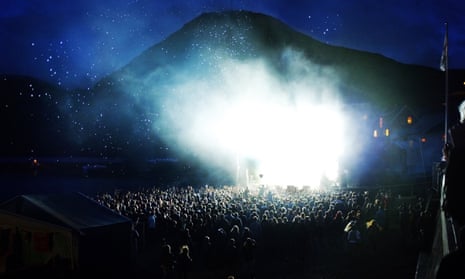
My trip was perfectly timed to coincide with the G! Festival, held in the tiny village of Gøta. Picture this: a music festival sprawled across a beach, with stages built into the sides of colorful houses. It’s an experience unlike any other. The focus is fiercely Faroese, showcasing the incredible musical talent bubbling up from this remote corner of the world. The music ranged from haunting folk melodies to surprisingly heavy rock, all sung in Faroese (which, admittedly, I didn't understand, but still felt!).
The atmosphere was incredible. Everyone was incredibly friendly and welcoming. I struck up conversations with locals over beers (Faroese beer is excellent, by the way!), and they were all eager to share their culture and their love for their islands. It’s a far cry from the massive, impersonal music festivals you find in other parts of Europe. G! felt intimate, authentic, and deeply connected to the land. The G! Festival Faroe Islands experience review from my perspective is a definite must-do if you are traveling to the islands in July!
Photographic Opportunity: Capture the energy of the festival with wide shots of the stage against the colorful houses. Experiment with long exposures at night to capture the light trails of the performers.
Adventures in the Faroese Landscape
The real heart of the Faroe Islands lies in its dramatic landscapes. I dedicated my time to soaking in the scenery.
Hiking to Kallur Lighthouse on Kalsoy
The hike to Kallur Lighthouse on Kalsoy is legendary, and for good reason. The ferry ride to Kalsoy is an adventure in itself, navigating through narrow fjords. Be sure to consult the ferry schedules in advance. Once on the island, the drive to the trailhead is spectacular, passing through dark tunnels carved through the mountains. The hike itself is challenging, especially if, like me, you attempt it in slightly questionable weather (more on that later!). The path is narrow and exposed in places, but the reward is more than worth the effort.
Reaching the lighthouse, perched on the edge of a cliff, is a truly breathtaking experience. The views are panoramic, encompassing the dramatic coastline of Kalsoy and the neighboring islands. I felt an incredible sense of accomplishment, standing there, wind whipping through my hair, completely alone with the vastness of the Atlantic. It was a pivotal moment for my solo adventure Faroe Islands.
Photographic Opportunity: Capture the iconic view of the lighthouse from the trail leading up to it, framing it against the dramatic cliffs and ocean. Arrive early in the morning or late in the afternoon for the best light.
Vestmanna Bird Cliffs: A Symphony of Seabirds
Taking a boat tour to the Vestmanna bird cliffs is an absolute must. The sheer scale of these cliffs is astounding, rising hundreds of meters straight out of the sea. And they are absolutely teeming with birdlife! Gannets, puffins, guillemots, and razorbills all call these cliffs home, creating a cacophony of sounds and smells that is both overwhelming and exhilarating.
The boat captain expertly navigated the narrow passages and sea caves, bringing us close enough to observe the birds in their natural habitat. The air was thick with the scent of salt and guano, and the sound of thousands of birds squawking and flapping their wings was deafening. It was an immersive experience that truly connected me to the wildness of the Faroe Islands. Be sure to bring a zoom lens for your camera.
Photographic Opportunity: Focus on capturing the individual details of the different bird species. Use a telephoto lens to isolate birds against the dramatic backdrop of the cliffs. The best light is usually in the morning.
Kirkjubøur: Stepping Back in Time
Kirkjubøur is a small village with a big history. It was once the religious and cultural center of the Faroe Islands, and the ruins of the Magnus Cathedral and the turf-roofed houses are a testament to its past. Walking through the village, I felt like I had stepped back in time.
The turf-roofed houses are particularly fascinating. They are incredibly well-preserved, and it’s easy to imagine what life must have been like in the village centuries ago. The Magnus Cathedral, though unfinished, is still an impressive structure, hinting at the grand plans that were once envisioned for Kirkjubøur. This should be on your Faroe Islands itinerary solo female.
Photographic Opportunity: Capture the texture and detail of the turf roofs. Use a wide-angle lens to capture the houses in their context within the village. Visit on a sunny day to bring out the vibrant colors.
A Taste of the Faroes: Fermented Delights and Fine Dining
No trip to the Faroe Islands is complete without experiencing the local cuisine. And let me tell you, it's… unique.
Ræst Kjøt and Skerpikjøt: An Acquired Taste
Ræst kjøt (wind-dried mutton) and skerpikjøt (aged fermented lamb) are staples of the Faroese diet. The preparation involves hanging the meat outdoors for several months, allowing it to ferment in the wind and salt air. The result is a flavor that is… intense.
My first bite of ræst kjøt was… challenging. The taste is incredibly strong, a combination of earthy, gamey, and slightly funky. It’s definitely an acquired taste. But, as I learned more about the traditional preparation methods and the cultural significance of these foods, I began to appreciate them. They are a testament to the resourcefulness and resilience of the Faroese people, who have learned to thrive in a harsh environment. By the end of my trip, I could honestly say I enjoyed skerpikjøt (in small doses!). Faroese food fermented is truly something else.
KOKS: A Culinary Journey
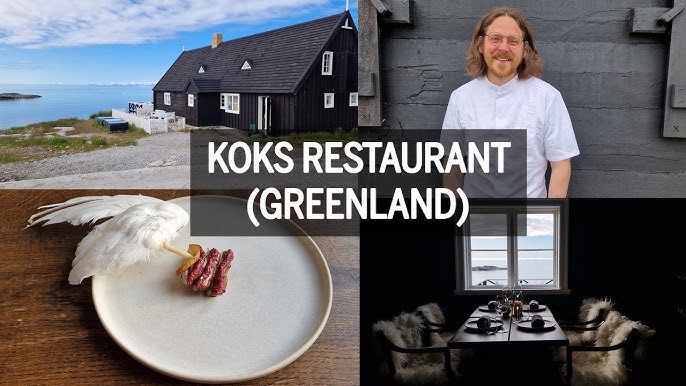
For a truly unforgettable dining experience, I highly recommend KOKS, the Faroe Islands' Michelin-starred restaurant. Dining at KOKS is an adventure in itself. The restaurant is located in remote surroundings, and the ambiance is both rustic and refined.
The cuisine is New Nordic, with a strong focus on Faroese ingredients. The chefs use traditional techniques, like fermentation and smoking, to create innovative and flavorful dishes. Each course was a work of art, both visually stunning and incredibly delicious. The service was impeccable, and the staff were passionate about sharing their knowledge of Faroese cuisine and culture. Is KOKS restaurant Faroe Islands worth it? Absolutely. It was the splurge of my trip and I don't regret it for a second.
The Dramatic Landscape: Cliffs, Waterfalls, and Weather (Oh My!)
The Faroese landscape is simply breathtaking. The dramatic cliffs, the waterfalls cascading into the sea, and the ever-changing weather patterns create a constantly shifting panorama of beauty.
Cliffs, Waterfalls, and the Whims of the Weather
The cliffs are the defining feature of the Faroese landscape. They rise majestically from the sea, providing stunning views and a sense of awe. Waterfalls are everywhere, tumbling down the cliffsides and into the ocean. One of the most impressive is the Múlafossur Waterfall, which plunges directly into the sea near the village of Gásadalur.
And then there’s the weather. It’s notoriously unpredictable in the Faroe Islands, with mist, sunshine, and rainbows all vying for attention. It can change in a matter of minutes, from bright sunshine to torrential rain. But that’s part of the charm. The ever-changing weather adds to the drama and beauty of the landscape.
The Sheep of the Faroe Islands
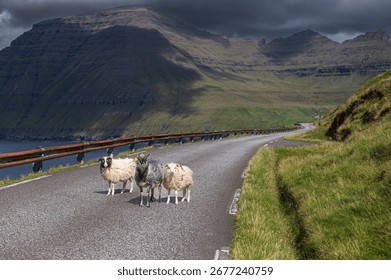
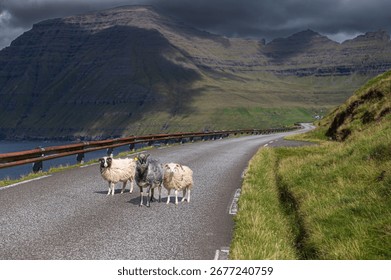
And of course, no discussion of the Faroese landscape would be complete without mentioning the sheep. They are everywhere! In fact, there are more sheep than people in the Faroe Islands. They roam freely across the hillsides, adding a touch of pastoral charm to the rugged landscape. There are even unique breeds found only in the Faroes, adapted to the harsh climate.
Accommodation: Hotel Føroyar in Tórshavn
I stayed at Hotel Føroyar in Tórshavn, and I highly recommend it. The hotel is located on a hillside overlooking the city, offering panoramic views of the surrounding islands. The design is minimalist Scandinavian, with clean lines and natural materials. The hotel also has strong initiatives towards sustainable tourism, something I always appreciate. Hotel Føroyar review: stunning views and commitment to sustainability.
Practical Travel Tips for Your Solo Adventure
Planning a trip to the Faroe Islands requires some preparation. Here are a few practical tips to help you make the most of your adventure.
Transportation
The best way to get around the Faroe Islands is by car. Renting a car gives you the freedom to explore the islands at your own pace. Be aware that some of the roads are narrow and winding, and there are several tunnels that you will need to navigate. There are also ferries that connect the different islands.
- Airport Details: Vagar Airport (FAE) is the main airport, served by Atlantic Airways.
- How to get around without a car: Public transportation is available, but it is limited, and you will need to plan your itinerary carefully.
Currency and Language
- Currency: The currency is the Faroese Króna (DKK), which is pegged to the Danish Krone. Both currencies are widely accepted.
- Language: Faroese is the official language, but English is widely spoken, especially in tourist areas.
Dealing with the Weather
As I mentioned earlier, the weather in the Faroe Islands is unpredictable. Be prepared for anything! Layers are essential. Pack waterproof clothing, sturdy hiking boots, and a warm hat and gloves. Check the weather forecast regularly and be prepared to adjust your plans accordingly. Don't stress too much though, as the weather contributes to the atmosphere. Packing list Faroe Islands female solo trip: waterproof EVERYTHING.
Local Interaction
One of the highlights of my trip was the interactions I had with the local people. They are incredibly friendly and welcoming, and they are always eager to share their culture and their knowledge of the islands. One day, I got slightly lost while hiking, and a local sheep farmer went out of his way to guide me back to the trail. He even invited me back to his farm for coffee and cake! It’s these kinds of experiences that make traveling so rewarding.
Is Faroe Islands safe for solo female travelers?
Yes, the Faroe Islands are considered very safe for solo female travelers. The crime rate is low, and the locals are generally very welcoming and helpful. However, it’s always important to take precautions and be aware of your surroundings, as you would in any travel destination. The remoteness of some areas also means you should be prepared for self-sufficiency, letting someone know your itinerary, especially when hiking alone.
Conclusion: Embrace the Solitude and Adventure
My trip to the Faroe Islands was an unforgettable experience. It was a journey of discovery, both of the islands themselves and of myself. The dramatic landscapes, the unique culture, and the solitude I found there were incredibly restorative. I highly recommend the Faroe Islands as a destination for solo female travelers seeking adventure and peace. So, pack your bags, embrace the sheep, and get ready for a journey you'll never forget. You will remember your solo adventure Faroe Islands forever.