Faroe Islands: A Birdwatcher's Paradise in Peril
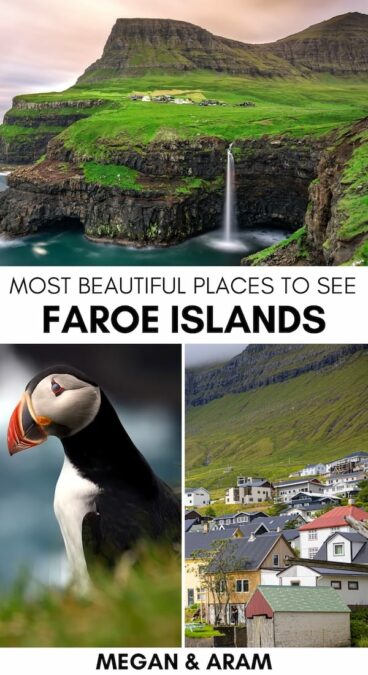
As a lifelong ornithologist, I've had the privilege of witnessing nature's wonders across the globe. My recent trip to the Faroe Islands, a remote archipelago nestled in the North Atlantic, was no exception. However, alongside the breathtaking beauty and unparalleled birdlife, I also observed a growing tension – the delicate balance between tourism and environmental conservation. The Faroe Islands boast dramatic landscapes, unique culture and some of the most impressive seabird colonies on earth. However increasing visitor numbers are threatening the puffins and other wildlife that make this place so special.
A Capital Buzzing with Culture: Tórshavn and Norðoyastevna
My journey began in Tórshavn, the Faroese capital, a charming city brimming with character. I arrived amidst the vibrant atmosphere of Norðoyastevna, a traditional boat race held annually. The harbor was a kaleidoscope of color, with brightly painted boats bobbing in the water and a palpable sense of anticipation electrifying the air. The energy of the crowd was infectious.
I struck up a conversation with Rannvá, a local woman selling handcrafted knitted goods. We spoke about the unique challenges facing Faroese culture in the digital age. Rannvá expressed concern that while high-speed internet connects them to the world, it also threatens to dilute their unique cultural identity. She worried that traditional Faroese knitting practices, passed down through generations, might fade away as younger generations are drawn to the instant gratification of technology. While technology helps preserve the Faroese language through online dictionaries and resources, she fears the traditional, spoken word and rich oral history are at risk.
The Melancholy Beauty of Steffan Danielsen
Seeking respite from the bustling harbor, I visited the Listasavn Føroya, the National Art Museum of the Faroe Islands. I was particularly drawn to the works of Steffan Danielsen. His paintings capture the raw, untamed beauty of the Faroese landscape with an almost unsettling intensity. Danielsen's masterful use of color and light evokes the rugged cliffs, the vast expanse of the ocean, and the ever-changing weather patterns that define these islands. Yet, beneath the surface of this beauty, there lies a pervasive sense of melancholy, a recognition of the harsh realities of life in such a remote and unforgiving environment.
Faroese Cuisine: A Taste of Tradition at Barbara Fish House
Lunch at Barbara Fish House provided a welcome immersion into Faroese culinary traditions. The restaurant, with its rustic charm and warm ambiance, specializes in fresh, locally sourced seafood. I savored grilled Atlantic cod with rhubarb chutney and baby potatoes. The cod was incredibly fresh, its delicate flavor enhanced by the sweet-tart contrast of the rhubarb chutney. It was a culinary masterpiece. This meal wasn't just about taste; it was about appreciating the sustainable use of local resources, a concept vital to the long-term health of the Faroe Islands. Embracing Faroese cuisine is essential to supporting a sustainable and environmentally conscious local community.
Mykines: Puffin Paradise or Tourist Trap?
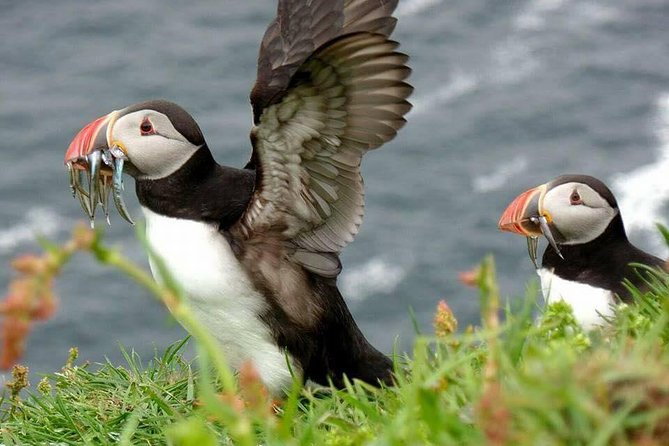
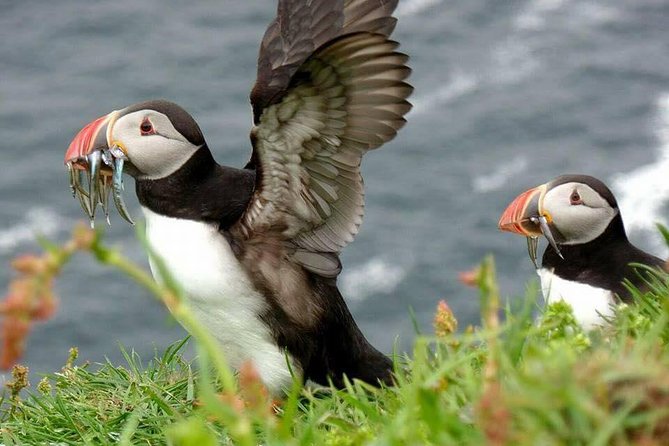
My visit to Mykines, the westernmost island in the archipelago, marked a turning point in my trip. Mykines is renowned for its massive puffin colony, attracting birdwatchers and nature enthusiasts from around the world. The puffins are the main attraction on Mykines Island. I had dreamed of seeing these iconic birds in their natural habitat, and while the experience was undeniably awe-inspiring, it was also deeply troubling.
The increasing traffic to Mykines is having a significant impact on puffin breeding patterns. I observed firsthand the disruption caused by tourist boats approaching the cliffs too closely, causing visible distress among the birds. The puffins, already facing challenges from climate change and fluctuating fish stocks, were abandoning their nests, leaving eggs and chicks vulnerable. This poses a serious threat to the long-term survival of the colony. It is important to understand the impact of tourism on Faroese seabirds and to minimize any negative effects.
Video 1: Puffins on Mykines - The Looming Threat
I also noted the alarming amount of plastic waste accumulating on Streymoy beaches, one of the largest islands in the Faroes, due to inadequate waste management. This created a stark contrast with the pristine beauty of the landscape, a jarring reminder of the environmental challenges facing the islands. Tourists can learn how to minimize their impact on Faroese environment by reducing waste and supporting responsible travel initiatives.
Vestmannabjørgini: A Fragile Ecosystem
A boat trip to Vestmannabjørgini, the towering sea cliffs on the west coast of Streymoy, was both exhilarating and sobering. The basalt columns, formed during ancient volcanic activity, are a testament to the earth's power, while the relentless sea erosion is a reminder of its fragility.
Here, thousands of seabirds, including guillemots, razorbills, and fulmars, nest on the precarious ledges of the cliffs. These colonies are a vital part of the Faroese ecosystem, and their health is a direct indicator of the overall environmental health of the islands. This is why Vestmanna bird cliffs boat tours are so important for education. The fragility of this ecosystem and the impact of tourism on Faroese seabirds are urgent concerns.
Video 2: Faroese Knitting - Traditions Lost and Found
A Call to Action: Protecting the Faroe Islands for Future Generations
The Faroe Islands are a treasure, a place of unparalleled natural beauty and unique cultural heritage. But this treasure is under threat. It is our collective responsibility to ensure that tourism benefits, rather than harms, this fragile ecosystem.
I urge you to consider the following:
- Donate to the Faroese Environment Agency: Support their efforts to protect puffin colonies and implement sustainable waste management practices. Donate here.
- Book eco-friendly tours: Choose tour operators like GreenGate Incoming that prioritize sustainable tourism practices. Book with GreenGate.
- Reduce your plastic consumption: Bring reusable water bottles and shopping bags, and properly dispose of all waste.
- Respect local customs and traditions: Learn a few basic phrases in Faroese ("Takk fyri" - Thank you), and support local businesses. Ethical wildlife viewing in Faroe Islands is vital for conservation.
Video 3: Fiskakroketter - A Culinary Surprise
Responsible travel is not just a trend; it's a necessity. The beauty of the Faroe Islands is a fragile treasure that must be protected for future generations. The best time to see puffins in Mykines is during the breeding season, but we must ensure that our presence does not disrupt their natural cycles. Please consider sustainable birdwatching tours when planning your next trip.
Dr. Astrid Olsen is a renowned ornithologist specializing in North Atlantic seabirds and the impact of climate change on their populations. She conducts research on puffin migration patterns and advocates for responsible and sustainable tourism practices in the Faroe Islands. Consider a bird watching tour with Dr Astrid Olsen for a unique perspective.