Experience Authentic Kyoto Cuisine: A Food Lover...
Kyoto, the ancient capital of Japan, is more than just a historical landmark; it's a culinary haven where tradition and innovation intertwine. Known for its refined elegance and dedication to seasonal ingredients, Kyoto offers a unique gastronomic journey for every food lover. From the meticulously crafted Kaiseki dining to the mindful simplicity of Shojin Ryori and the delicate sweetness of Yatsuhashi, Kyoto's culinary landscape is a testament to its rich cultural heritage. Discover the authentic Kyoto cuisine that awaits you in this captivating city.
Kaiseki: A Symphony of Flavors and Artistry
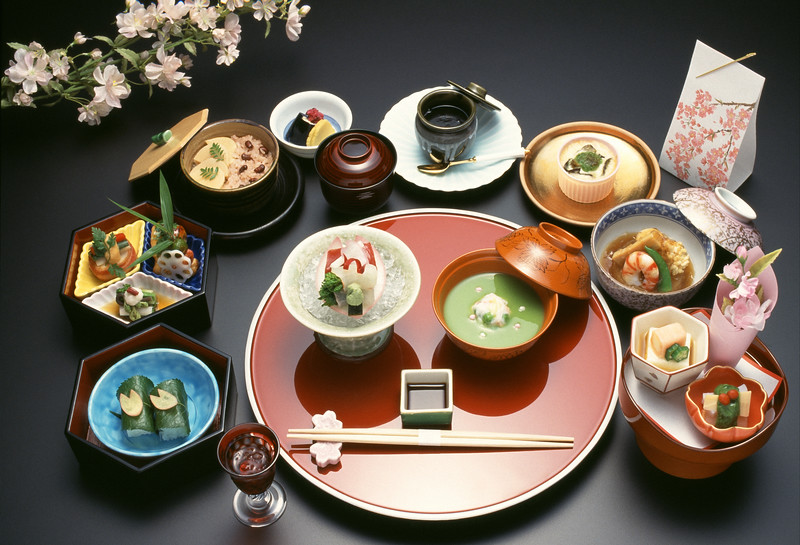
Kaiseki dining represents the pinnacle of Japanese haute cuisine. It's a multi-course experience that goes beyond mere eating; it's an appreciation of artistry, seasonality, and meticulous preparation. Each dish is a miniature masterpiece, showcasing the freshest seasonal ingredients in a symphony of flavors and textures. The presentation is just as important as the taste, with chefs carefully selecting handcrafted ceramics and garnishes to enhance the visual appeal.
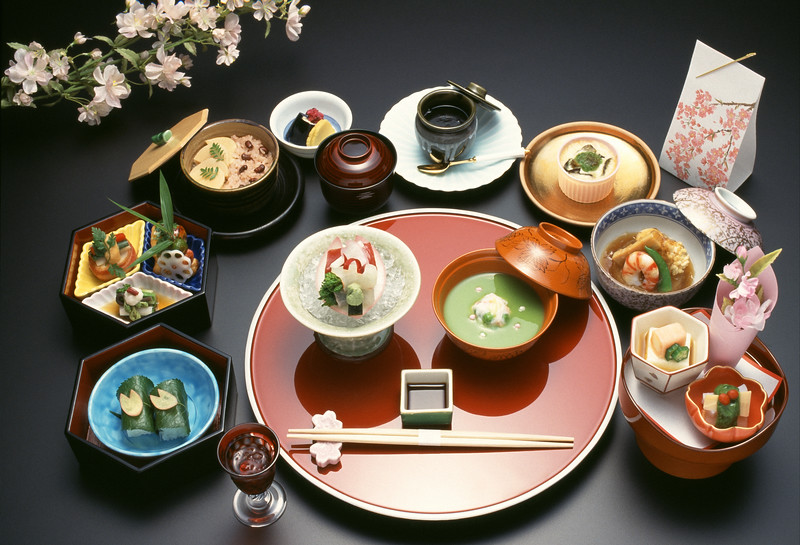
What is Kaiseki dining? It's more than a meal; it’s an experience. The use of seasonal ingredients (Shun) is central to Kaiseki. The courses are carefully designed to highlight the freshest ingredients available at that specific time of year, whether it's delicate spring vegetables or rich autumn mushrooms.
If you're looking to indulge in an unforgettable Kaiseki dinner, Kyoto offers several exceptional restaurants. Kikunoi, with its Michelin stars and impeccable service, is a renowned choice. Similarly, Nakamura is celebrated for its traditional techniques and exquisite flavors. Expect to spend upwards of $200 per person for a truly memorable Kaiseki experience. To avoid disappointment, it is essential to make reservations well in advance.
Shojin Ryori: The Art of Buddhist Vegetarian Cuisine
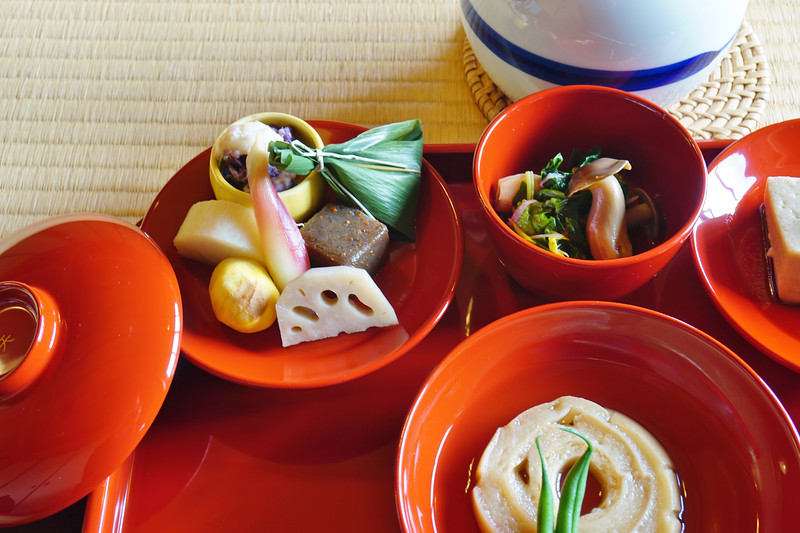
Shojin Ryori is a traditional Buddhist vegetarian cuisine that emphasizes simplicity, seasonal vegetables, and mindful preparation. It originated in Zen Buddhist temples and reflects the principles of non-violence and respect for all living things. Unlike many other vegetarian cuisines, Shojin Ryori doesn’t just exclude meat; it also avoids strong-flavored ingredients like garlic and onions, allowing the natural flavors of the vegetables to shine through.
The dishes in Shojin Ryori are prepared with minimal seasoning, highlighting the natural umami of ingredients like tofu, konbu (kelp), and shiitake mushrooms. The presentation is simple yet elegant, reflecting the Zen aesthetic of harmony and balance. Experiencing Shojin Ryori restaurant Kyoto offers is a journey of peaceful contemplation and appreciation for nature's bounty.
For an authentic Shojin Ryori experience, visit Shigetsu within the serene Tenryu-ji Temple in Arashiyama. The temple's tranquil atmosphere complements the mindful eating experience. Other notable temples and restaurants offering Shojin Ryori include Yudofu Okutan (Nanzenji location) and some restaurants in the Daitoku-ji temple complex. Remember to check their websites for availability and booking information.
Yatsuhashi: A Taste of Kyoto's Sweet Tradition
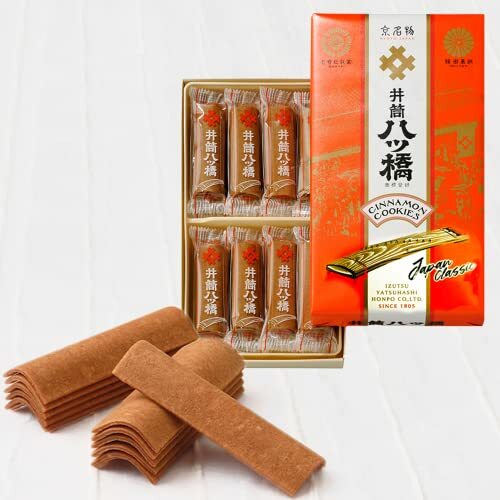
Yatsuhashi is a traditional Kyoto sweet made from glutinous rice flour, sugar, and cinnamon. Its distinctive shape, resembling a koto (Japanese harp), and delicate flavor have made it a beloved souvenir and treat for centuries. Yatsuhashi sweets guide for visitors often recommends trying different varieties to experience its full flavor profile.
There are two main types of Yatsuhashi: nama yatsuhashi (unbaked) and yaki yatsuhashi (baked). Nama yatsuhashi is soft and chewy, often filled with sweet bean paste (anko) or other flavored creams. Yaki yatsuhashi is crispy and slightly sweet, perfect for dipping in tea. Modern variations include flavors like matcha, chocolate, and sesame.
You can find Yatsuhashi at numerous shops throughout Kyoto. Honke Owariya, one of the oldest confectionery shops in Kyoto, offers a wide selection of traditional and modern Yatsuhashi. Shogoin Yatsuhashi Sohonten is another popular choice, known for its high-quality ingredients and beautiful packaging. You can easily buy Yatsuhashi sweets in Nishiki Market as well, from a variety of vendors.
Recommended Culinary Experiences
Nishiki Market Tour: A Sensory Feast
No visit to Kyoto is complete without exploring Nishiki Market, also known as "Kyoto's Kitchen." This vibrant marketplace is a treasure trove of local delicacies, seasonal produce, and culinary treasures. A guided Nishiki Market food tour in English can help you navigate the maze of stalls and discover hidden gems.
Sample tsukemono (Japanese pickles) in a rainbow of colors and flavors, from crisp daikon radish to tangy eggplant. Indulge in wagashi (traditional sweets) like mochi, dango, and of course, Yatsuhashi. Don't miss the opportunity to try fresh seafood, local sake, and other Kyoto specialties. Look for vendors offering tastings and demonstrations to deepen your culinary knowledge.
For the best experience, visit Nishiki Market in the morning to see the vendors setting up their stalls and displaying their wares. Be sure to bring cash, as many vendors do not accept credit cards. The Nishiki Market opening hours and best time to visit is generally between 9:00 am and 5:00 pm, Monday to Saturday.
Matcha Workshop: Immerse Yourself in Tea Culture
Participate in a workshop on making matcha tea and experience the Kyoto traditional food culture firsthand. Learn about the history and cultural significance of the tea ceremony, and master the art of whisking the perfect bowl of matcha.
During a Matcha workshop Kyoto review often highlights the importance of the chawan (tea bowl), chashaku (tea scoop), and chakin (tea cloth) in the tea-making process. Several workshops in Kyoto offer hands-on instruction in English. Camellia Tea Ceremony and En Tea Ceremony Room are popular choices, known for their knowledgeable instructors and authentic atmosphere. These workshops typically last between one and two hours and include a tasting of matcha and traditional sweets.
Delving Deeper: Resources for Food Lovers
Cooking Classes: Mastering Kyoto's Culinary Arts
For those who want to go beyond tasting and learn to create Kyoto cuisine themselves, consider taking a cooking class. These classes often specialize in Kaiseki preparation and Kyo-zushi (Kyoto-style sushi) rolling.
Cooking Sun Kyoto and Eat Kyoto are two well-regarded cooking schools that offer classes in English. You’ll learn about the unique ingredients and techniques that define Kyoto cuisine, and gain hands-on experience preparing dishes under the guidance of experienced instructors. Check websites to determine the schedule.
Food Blogs and Websites: Your Virtual Guide to Kyoto Cuisine
Many online resources can provide you with more information about Kyoto cuisine. Look for top rated Kyoto food blogs for local cuisine. Some suggestions: Gurunavi, Tabelog (Japanese), and articles published by reputable travel sites that feature Japanese food. These online resources often provide reviews, recommendations, and insider tips to enhance your culinary journey.
Conclusion: A Culinary Journey Awaits
Kyoto's culinary scene is a rich tapestry of flavors, traditions, and experiences. From the refined elegance of Kaiseki dining to the mindful simplicity of Shojin Ryori and the sweet charm of Yatsuhashi, Kyoto offers a unique gastronomic adventure for every palate. Explore Nishiki Market, immerse yourself in a matcha workshop, and delve into the world of Kyoto cuisine through cooking classes and online resources. Ready to embark on your own Kyoto food tour? Book your trip now and discover the authentic tastes of Kyoto!