Ethical Galapagos Islands Tours: A Wildlife Phot...
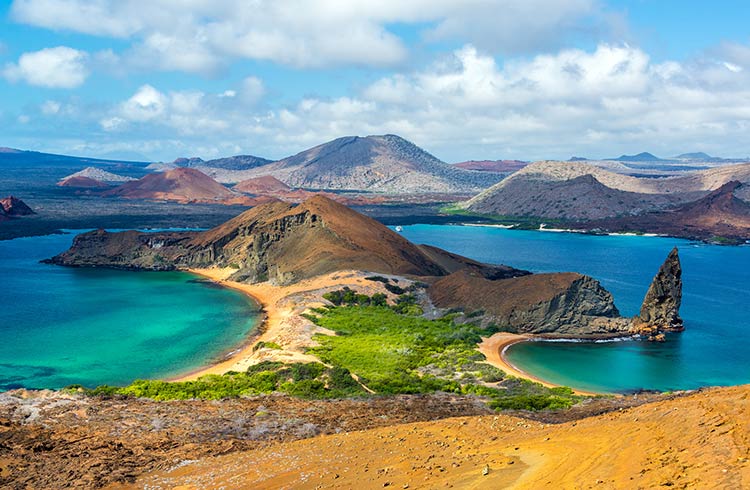
The Galapagos Islands, a volcanic archipelago straddling the equator, are a living laboratory of evolution and a haven for unique wildlife. As a marine conservation photographer specializing in ethical wildlife tourism, I recently embarked on a journey to this UNESCO World Heritage site, seeking not only stunning visuals but also a deeper understanding of the conservation efforts that safeguard this fragile ecosystem. My goal: to experience the islands responsibly, supporting local communities and minimizing my impact. This travel blog post will detail those experiences, including snorkeling with sea turtles, witnessing blue-footed boobies mating, and volunteering with the Galapagos Conservancy, offering insights to plan your own ethical Galapagos travel.
Snorkeling with Sea Turtles at Kicker Rock
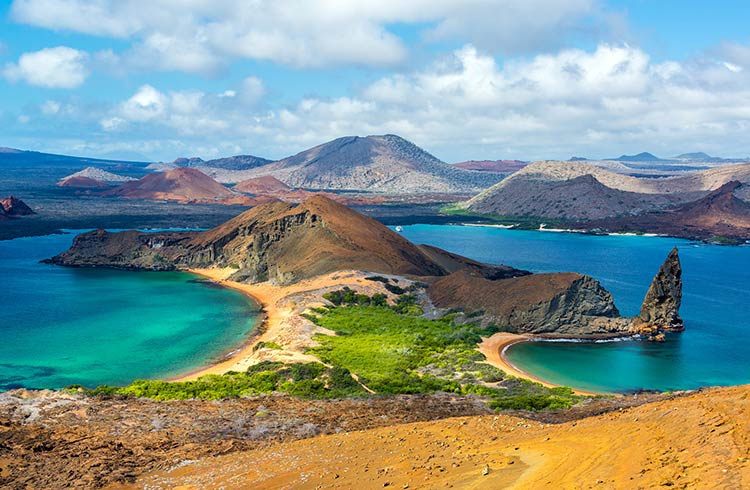
Kicker Rock, or León Dormido, off the coast of San Cristobal Island, is an iconic geological formation and a hotspot for marine life. The highlight of my visit was undoubtedly snorkeling in its crystal-clear waters. From the moment I slipped beneath the surface, I was surrounded by a kaleidoscope of life. Schools of vibrant fish darted past, and then, there they were: Galapagos sea turtles. These gentle giants glided effortlessly through the water, their ancient eyes seemingly unfazed by my presence.
Maintaining a respectful distance was paramount. I adhered to the guidelines provided by our naturalist guide, ensuring that I didn't approach too closely or attempt to touch the turtles. Ethical wildlife viewing means observing animals in their natural habitat without causing them stress or disrupting their behavior. It's about being a silent observer, appreciating the beauty of nature without interference. Remember to choose Galapagos Islands tours that protect wildlife and their natural habitat.
Witnessing the Blue-Footed Boobies Mating Rituals on Española Island
Española Island, also known as Hood Island, is a birdwatcher's paradise. One of the most unforgettable experiences of my trip was witnessing the Galapagos blue-footed boobies tours performing their elaborate mating rituals. The male boobies, with their strikingly blue feet, engage in a comical dance, lifting their feet high in the air to attract a mate. The brighter the blue, the more attractive the booby!
Observing this unique behavior was truly special, but it was crucial to respect their space. We kept a safe distance, avoiding any sudden movements or loud noises that could disturb them. The guide emphasized the importance of staying on designated trails to protect the nesting sites and prevent accidental trampling of eggs. The best time to visit Galapagos for wildlife viewing is during the mating season, but always prioritize ethical practices.
Observing Marine Iguanas at Punta Espinosa
Punta Espinosa on Fernandina Island is a stark, volcanic landscape dominated by the presence of marine iguana Galapagos Islands. These unique reptiles, the only lizard species that forages in the ocean, are a testament to the power of adaptation. I watched in awe as they clambered over the black lava rocks, venturing into the cold waters to graze on algae. Their dark, almost prehistoric appearance against the volcanic backdrop was an incredible sight to behold.
The fragile ecosystem of Punta Espinosa is highly vulnerable to disturbance. Walking carefully and avoiding stepping on any vegetation was crucial. These iguanas are an endemic species, meaning they are found nowhere else on Earth, making their conservation all the more vital.
Volunteering with the Galapagos Conservancy
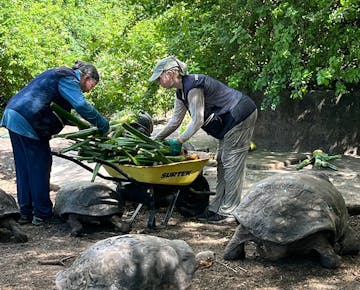
One of the most rewarding aspects of my trip was the opportunity to give back to the islands through volunteering with the Galapagos Conservancy on Santa Cruz Island. I participated in a giant tortoise restoration project, focusing on removing invasive plant species that compete with the tortoises for food and habitat. We also helped construct protective enclosures for young tortoises, giving them a safe start in life. This is one way of finding Galapagos conservation volunteer opportunities.
The Galapagos Conservancy plays a vital role in protecting the islands' unique biodiversity. Learning about their work firsthand and contributing to their efforts was an incredibly fulfilling experience. Consider looking into How to travel Galapagos Islands responsibly by volunteering.
Learning from the Experts at the Charles Darwin Research Station
The Charles Darwin Research Station in Puerto Ayora is a hub for scientific research and conservation efforts in the Galapagos. I attended a lecture by a local marine biologist, which provided valuable insights into the challenges facing the islands' marine ecosystem. The talk covered topics such as the impact of climate change, the threats posed by invasive species, and the importance of sustainable fisheries management. You can learn more about Galapagos Islands marine biology at this station.
The lecture reinforced the importance of ongoing research and conservation efforts in protecting the Galapagos for future generations. It also highlighted the crucial role that responsible tourism can play in supporting these initiatives.
Savoring Sustainably Sourced Cuisine
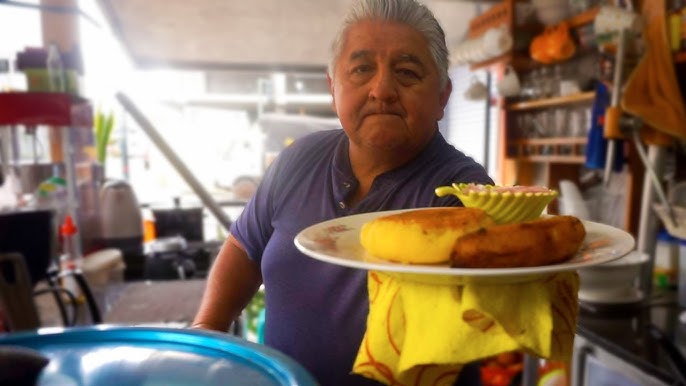
The Galapagos Islands offer a unique culinary experience, with a focus on fresh, locally sourced ingredients. At a local restaurant in Puerto Ayora, I enjoyed a delicious meal of grilled wahoo, a type of fish sustainably caught by local fishermen. The restaurant's commitment to supporting the local community was evident in its sourcing practices.
I also had the pleasure of trying ceviche prepared with locally caught fish at a fisherman's cooperative. The freshness of the ingredients was unparalleled, and the cooperative's dedication to sustainable fishing practices was truly commendable. Sampling coffee grown on the volcanic slopes of Santa Cruz Island was another highlight. The unique flavor profile, a result of the island's rich soil and climate, was exceptional. The sustainable farming methods used by local coffee growers further enhanced the experience. Look for delicious local cuisine Galapagos Islands sustainable seafood.
Exploring Lava Tunnels and Giant Cacti Forests
Beyond the incredible wildlife, the Galapagos Islands boast a stunning array of landscapes and geological formations. Exploring the lava tunnels on Santa Cruz Island was an unforgettable experience. These subterranean passageways, formed by ancient volcanic activity, are home to unique ecosystems, with specialized organisms adapted to the dark, humid environment.
Walking through the giant cacti forests of Española Island was equally awe-inspiring. These endemic cacti, towering over the landscape, are a testament to the resilience of life in an arid environment. The Galapagos Islands geology contributes significantly to the island's biodiversity.
Relaxing on the Red Sand Beaches of Rabida Island
Rabida Island, also known as Jervis Island, is famous for its striking red sand beaches. The unique color is a result of the high iron content in the volcanic material. The contrast between the red sand, the turquoise waters, and the black lava rocks creates a breathtaking panorama. This unique island provides Galapagos Islands wildlife viewing without crowds.
Planning Your Ethical Galapagos Adventure
My journey to the Galapagos Islands was a transformative experience, a testament to the power of nature and the importance of conservation. By choosing responsible travel Galapagos Islands with local guides, you can make a positive impact on the islands' ecosystem and support the local community. Here are a few tips for planning your own ethical Galapagos travel:
- Choose a reputable tour operator: Look for companies that prioritize sustainability and work closely with local communities. Research Ethical Galapagos Islands tour operator certification to ensure they meet responsible tourism standards.
- Respect wildlife: Follow the guidelines provided by your guide, maintain a safe distance from animals, and avoid any actions that could disturb their natural behavior.
- Support local businesses: Choose locally owned restaurants, hotels, and shops to contribute to the local economy.
- Minimize your environmental impact: Reduce your use of single-use plastics, dispose of waste responsibly, and conserve water and energy.
- Learn about the islands' history and culture: Educate yourself about the Galapagos Islands' unique history, ecology, and culture to deepen your appreciation for this incredible destination.
Best Galapagos Islands Tours: Contributing to Conservation
The Galapagos Islands are a precious resource that must be protected for future generations. By traveling responsibly, supporting local communities, and respecting the environment, you can help ensure that these unique islands continue to thrive. Consider booking a sustainable Galapagos cruise small ship review to further reduce your impact. Whether you're a seasoned wildlife photographer or a first-time traveler, the Galapagos Islands offer an unforgettable experience that will leave you with a profound appreciation for the wonders of nature. Embark on Galapagos Islands tours with a mission to protect these incredible Islands. Consider affordable Galapagos travel options for conservationists that provide enriching experiences.