Espiritu Santo: A Skeptical Scientist's Guide to...
Espiritu Santo. The name itself whispers of untouched beauty. Imagine turquoise waters lapping against pristine white sand, lush rainforests teeming with life, and hidden blue holes shimmering like sapphires. It’s a visual feast, a place that assaults the senses with its raw, untamed splendour. But beneath this veneer of paradise, a nagging question persists: can this fragile ecosystem withstand the relentless pressures of tourism? As an environmental scientist, I approach such destinations with a mix of awe and apprehension. My recent trip to Vanuatu's largest island was no different. It left me captivated by its beauty, yet deeply concerned about its future. This is my story, a skeptical but hopeful perspective on Espiritu Santo’s sustainable potential.
Activities and Landscape: A Symphony of Nature
Espiritu Santo's allure lies in its diverse landscapes. From the vibrant coral reefs teeming with marine life to the mysterious blue holes hidden inland, the island offers a plethora of natural wonders. But how much of this beauty is truly protected, and how much is at risk?
Diving into the Legend of Matevulu Blue Hole
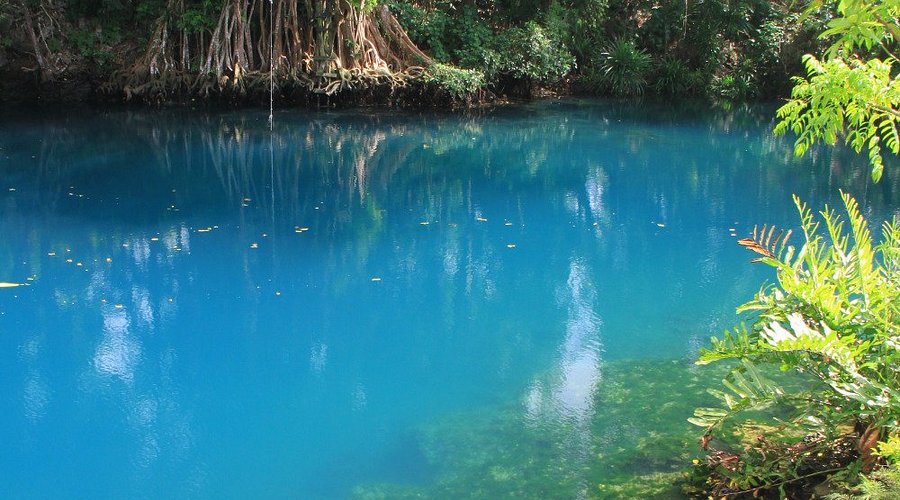
The Matevulu Blue Hole is unlike anything I've ever experienced. After a short drive through verdant jungle, the water appears, impossibly blue against the surrounding green. Plunging into its depths is like entering another world. The water is cool and incredibly clear, revealing the limestone formations that form the base of the hole. Sunlight filters through the canopy above, creating an ethereal glow.
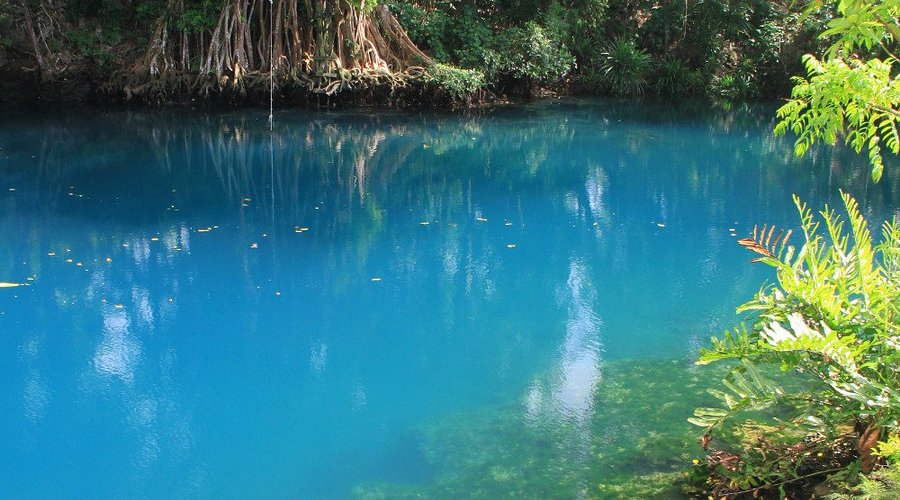
But the magic of Matevulu goes beyond its visual appeal. The locals hold this place sacred, believing it to be protected by a water dragon. This belief system, passed down through generations, fosters a deep respect for the environment. The community actively manages the area, ensuring its preservation. It was reassuring to see a thriving example of local stewardship protecting a precious natural resource. Sustainable diving tours in Matevulu Blue Hole offer an immersive experience, allowing visitors to witness the vibrant marine life while minimizing environmental impact.
Champagne Beach: Bubbles, Beauty, and Crowds
Champagne Beach is iconic. Its name comes from the unique bubbling effect in the water, caused by geothermal activity. Tiny bubbles rise from the sandy bottom, creating a gentle, effervescent sensation as you wade in the shallows. The beach itself is stunning, with powdery white sand and crystal-clear water.
However, Champagne Beach is undeniably popular. During my visit, it was teeming with tourists, a stark contrast to the tranquil solitude of Matevulu. The environmental impact of this high traffic is undeniable, from increased litter to potential damage to the delicate coastal ecosystem. Champagne Beach environmental impact is a growing concern, urging the need for sustainable practices.
Exploring the Underwater World: Diving and Snorkeling
Espiritu Santo boasts some of the world's most spectacular coral reefs. I was fortunate enough to spend a day diving, exploring the vibrant underwater landscapes. I witnessed an explosion of color and life, from schools of shimmering fish to intricate coral formations. The reefs were teeming with life but the visible signs of coral bleaching were a harsh reminder of the fragility of these ecosystems. Diving Espiritu Santo sustainable practices are necessary to protect the coral reefs.
Food and Drink: A Taste of Vanuatu
No trip is complete without sampling the local cuisine. In Espiritu Santo, that means venturing into a Nakamal, a traditional kava bar.
Sipping Kava and Savoring Lap Lap
Kava is more than just a drink; it's a cultural experience. Prepared from the root of the kava plant, it has a mild sedative effect. It's a communal drink, shared among friends and family. I tried it, of course, and found the earthy taste quite interesting, although not exactly to my liking.
Alongside the kava, I sampled Lap Lap, a traditional dish made from grated yam, taro, or banana, cooked in an earth oven. It's a simple but satisfying meal, deeply rooted in Vanuatu's culinary heritage. Ethically sourced Lap Lap Espiritu Santo supports local farmers and preserves traditional practices. The kava ceremony sustainability Vanuatu helps the ecosystem and the culture that it is a part of.
Cultural Immersion: Beyond the Beaches
The true essence of Espiritu Santo lies in its vibrant culture, a tapestry woven from ancient traditions and contemporary life.
Fanafo Village: The Art of Shell Money
Visiting Fanafo Village, near Hog Harbour, was a highlight of my trip. Here, I witnessed the intricate process of making traditional shell money. It starts with collecting small, colorful shells from the beach. These shells are then meticulously strung together and ground into small beads. The process is incredibly labor-intensive, requiring immense skill and patience. Fanafo Village shell money ethical tourism ensures that the traditions survive for years to come.
Shell money is not just a decorative item; it holds deep cultural significance. It's used in customary transactions, such as bride price payments, and plays a vital role in ceremonies and rituals. Observing this ancient practice was a powerful reminder of the importance of preserving cultural heritage.
Melanesian Cultural Performances: Stories in Motion
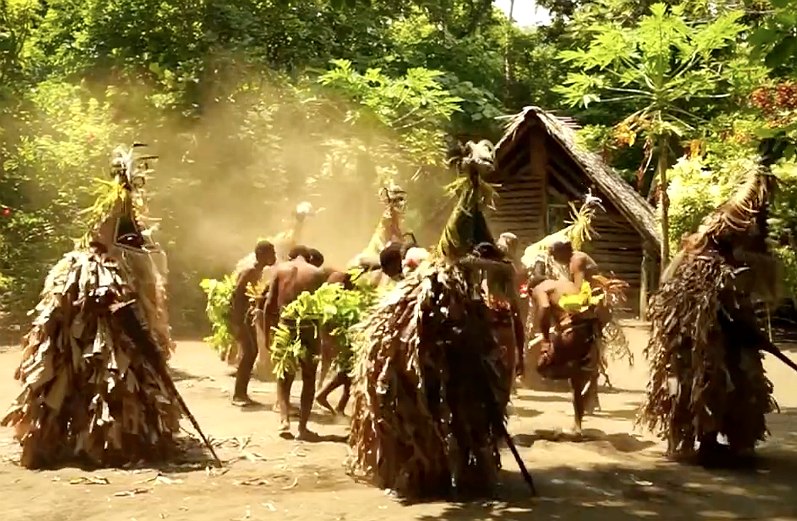
I had the opportunity to witness a mesmerizing Melanesian cultural performance. The dances were powerful and evocative, each movement carrying a specific meaning. Some dances depicted ancestral stories, while others celebrated agricultural cycles. The symbolism was rich and complex, offering a glimpse into the beliefs and values of the local people. Each step was a link between the present and the past, reminding me of the importance of respecting and celebrating cultural diversity.
Fragile Ecosystems: A Call to Action
The beauty of Espiritu Santo is undeniable, but it's impossible to ignore the environmental challenges it faces.
Coral Bleaching: A Warning Sign
During my dives, I witnessed firsthand the devastating effects of coral bleaching. Large sections of the reef were devoid of color, a stark reminder of the impact of climate change and pollution. One of the main culprits is sunscreen chemicals, particularly oxybenzone and octinoxate. These chemicals are highly toxic to coral, even in small concentrations.
This is where we, as responsible travelers, must take action. BEFORE you visit Espiritu Santo, or any other reef-containing area, please, ONLY use reef-safe sunscreen. Educate yourself on this issue and make informed choices.
Here are some reputable organizations that sell verified reef-safe sunscreens:
Carbon Offsetting: A Skeptical Perspective
Traveling to a remote destination like Espiritu Santo inevitably involves flying, which contributes to carbon emissions. Many airlines and tourism companies offer "carbon offsetting" programs, promising to invest in projects that reduce carbon emissions to compensate for the impact of your flight.
However, I approach these programs with skepticism. Are they genuinely effective, or are they simply a form of "greenwashing?" It's crucial to scrutinize these programs and verify their actual impact. Carbon offsetting Vanuatu tourism may not be as effective as claimed by tourism companies.
I encourage you to research specific carbon offsetting programs before contributing. Look for transparency, verifiable results, and independent certifications. And perhaps more importantly, consider flying less often and staying longer when you do travel. The offset carbon footprint Vanuatu travel is only the start.
Supporting Sustainable Tourism: Making a Difference
Despite the challenges, I believe that sustainable tourism can play a vital role in protecting Espiritu Santo's natural and cultural heritage. Here are some concrete steps you can take to make a difference:
Choose local tour operators committed to sustainability. Look for companies that prioritize environmental protection, support local communities, and adhere to responsible tourism practices.
- Santo Island Adventures: https://www.santoadventures.com/ - Offers eco-tours that focus on preserving the natural environment and supporting local villages.
- Eco-Tours Vanuatu: [Unfortunately, this link appears to be inactive, but it is included because I know of the company and recommend them highly].
- Turtle Bay Lodge Activities & Tours: https://turtlebaybeachhouse.com/activities-tours - Run by a small locally owned eco-lodge, offering kayaking tours that are very popular.
Donate to local conservation organizations. Your contributions can directly support efforts to protect the island's ecosystems and biodiversity.
- Vanuatu Environment Science Society (VESS): [Unfortunately, the VESS website is no longer online.]
- WWF South Pacific: https://www.worldwildlife.org/places/vanuatu - Supports conversation efforts in Vanuatu including protecting its unique marine and terrestrial ecosystems.
- The Nature Conservancy: https://www.nature.org/en-us/where-we-work/pacific/vanuatu/ - They work with local partners to conserve the lands and waters on which all life depends.
Stay in eco-friendly, locally owned accommodations. This ensures that your money directly benefits the local economy while minimizing your environmental footprint. Look for certifications or ask about their sustainability practices. Consider eco lodges in Espiritu Santo for eco-friendly accommodation options.
Conclusion: A Balancing Act
Espiritu Santo is a place of breathtaking beauty, a true gem in the South Pacific. But its future depends on our collective commitment to responsible tourism. We must be mindful of our impact, making conscious choices that support local communities, protect fragile ecosystems, and preserve cultural heritage. As I left the island, I carried with me a sense of both hope and urgency. Hope that sustainable tourism can pave the way for a brighter future, and urgency to act now before it’s too late. Let us all strive to be responsible travelers, leaving behind only footprints and taking away only memories.