Espiritu Santo: A Marine Biologist's Perspective...
The humid tropical air hung heavy as I stepped off the plane in Luganville, Espiritu Santo. The scent of frangipani, sweet and intoxicating, mingled with the earthy aroma of the local market just beyond the airstrip. Vibrant colors exploded from the stalls overflowing with tropical fruits, hand-woven baskets, and brightly patterned fabrics. The warm, golden light filtered through the swaying palm trees, painting the scene with an idyllic glow. I was here for the "Climate Change and Melanesian Reefs" scientific conference, but I was also eager to explore this island paradise through the lens of a marine biologist – to witness its beauty and understand the challenges it faces.
Diving into History and Marine Life at Million Dollar Point
My first dive was at Million Dollar Point, a site with a history as intriguing as its underwater landscape. Descending into the turquoise water, I was immediately struck by the sheer scale of the wreckage. Rusting hulks of WWII machinery – bulldozers, trucks, and jeeps – lay scattered across the seabed, a testament to a bygone era. Yet, what was once discarded has now become a thriving artificial reef. Clownfish darted among the anemones clinging to the metal, while vibrant corals encrusted the decaying structures. Visibility was around 15 meters, allowing for a decent view of the deeper structures, though the currents were a bit strong.
It's a powerful irony: the detritus of war now fostering life. Wide-angle shots with my Sony a7iii captured the enormity of the scene, while close-ups revealed the intricate details of the marine life colonizing these unlikely habitats. Million Dollar Point serves as a reminder that even in destruction, life finds a way, though it also underscores the lasting impact of human activity on the environment. This site is one of the Vanuatu Scuba Diving Tours you won't want to miss.
Exploring the Cerulean Depths of Matevulu Blue Hole
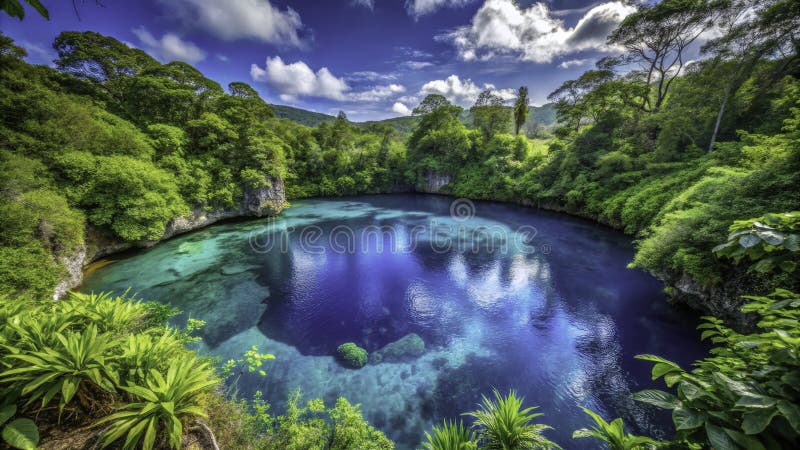
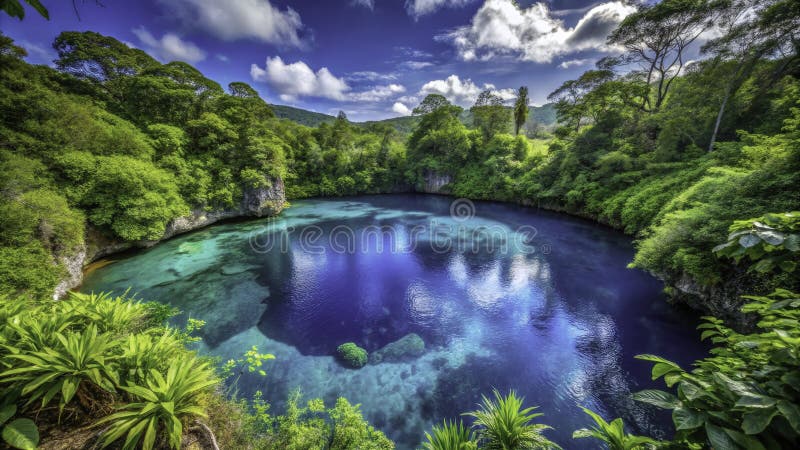
The following day, I ventured inland to Matevulu Blue Hole, a natural wonder that took my breath away. The water was crystal-clear, a mesmerizing shade of cerulean, surrounded by a lush rainforest canopy. Sunlight filtered through the water, creating ethereal beams that danced on the sandy bottom. Using my macro lens, I tried to capture the minute details of any organisms present. While the water clarity was exceptional, the visible aquatic life was less diverse than in some other blue holes I've studied globally. This could be due to the specific mineral composition of the water or perhaps limited nutrient availability. It’s a fascinating area for further ecological study. The Matevulu Blue Hole experience is unlike any other. Just make sure to bring your camera!
Climate Change and Melanesian Reefs: Conference Insights
The "Climate Change and Melanesian Reefs" conference provided a sobering counterpoint to the island's beauty. Dr. Tawa's presentation highlighted the increasing frequency of coral bleaching events in Vanuatu's outer islands, correlating directly with rising sea temperatures. His graphs and charts painted a stark picture of the devastating impact of ocean warming on these fragile ecosystems. He emphasized that the best time to visit Espiritu Santo for diving might be fleeting.
Dr. Sero’s research focused on the impact of plastic pollution on mangrove ecosystems and the subsequent effect on juvenile fish populations. Her underwater photography showed the disturbing extent of plastic accumulation in these vital habitats, underscoring the urgent need for effective waste management strategies. Both presentations served as a stark reminder of the challenges facing Vanuatu's marine environment and the importance of collaborative research and conservation efforts.
A Taste of Vanuatu: Lap Lap and Sustainable Seafood
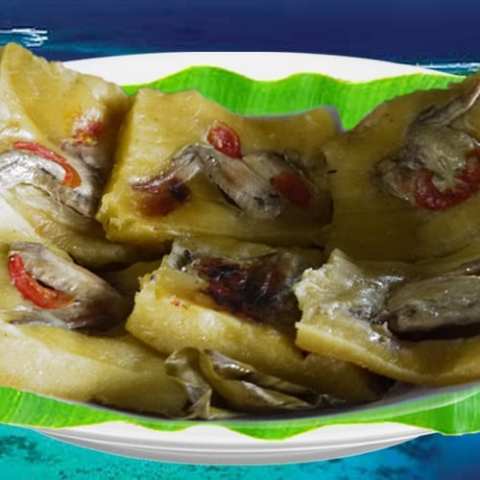
No trip to Vanuatu would be complete without experiencing its rich culinary heritage. I had the opportunity to witness the preparation of Lap Lap, a traditional dish made from grated taro, coconut milk, and locally sourced vegetables. The mixture is carefully wrapped in banana leaves and baked in a traditional earth oven. The earthy aroma that filled the air as it cooked was simply divine. The taste was slightly sweet and starchy, a truly unique and satisfying experience.
One evening, I enjoyed a meal of grilled parrotfish, prepared with local spices and herbs like ginger, chili, and lemongrass. The fish was incredibly fresh, bursting with flavor. I spoke with the restaurant owner about their fishing practices, and he explained that they work closely with local communities to ensure sustainability, adhering to traditional fishing methods and respecting seasonal closures. Finding sustainable seafood in Espiritu Santo restaurants is easier than you might think.
Contrasting Landscapes: Rainforest, Reefs, and Volcanic Legacy
Espiritu Santo's landscape is a tapestry of contrasting beauty. The deep green of the rainforest interior stands in stark contrast to the vibrant colors of the coral reefs along the coast. These two ecosystems are intrinsically linked, with the rainforest playing a vital role in maintaining water quality and preventing soil erosion that could damage the reefs.
The island's volcanic geography is also a defining feature. Past volcanic activity has enriched the soil, contributing to the island's lush vegetation. From a distance, one can see the peak of [Specific volcanic peak name], a reminder of the powerful forces that shaped this island.
Climate Change: A Visible Threat
Despite its beauty, Espiritu Santo is not immune to the effects of climate change. During my travels, I witnessed firsthand the visible impact of rising sea levels and coastal erosion on local communities. Damaged infrastructure and the displacement of homes were a sobering reminder of the vulnerability of island nations to this global crisis. The mood was somber as I listened to locals share their concerns about the future. It's a stark reality that underscores the urgent need for global action to mitigate climate change.
Responsible Travel: Protecting Paradise
Espiritu Santo is a place of unparalleled beauty, but it is also a place facing serious environmental challenges. As visitors, we have a responsibility to travel responsibly and support sustainable practices. This means choosing eco-friendly resorts in Espiritu Santo, respecting local customs, reducing our plastic consumption, and supporting businesses that prioritize environmental conservation. By making conscious choices, we can help protect this paradise for future generations. Consider booking eco-tours in Espiritu Santo to support local conservation efforts. We must ensure climate change tourism Vanuatu is done responsibly.
My time in Espiritu Santo was a powerful reminder of the interconnectedness of our planet and the urgent need for conservation. The island's beauty is undeniable, but its fragility demands our attention and action. By embracing responsible tourism and supporting sustainable practices, we can help ensure that this Melanesian paradise continues to thrive for years to come.