Espiritu Santo: A Marine Biologist's Exploration...
Touching down at Luganville Airport in Espiritu Santo, I was immediately struck by the contrast. From the air, I'd glimpsed turquoise waters fringed by vibrant coral reefs – a promise of the incredible biodiversity that lay beneath. Yet, the island itself exuded a quiet, laid-back charm, a world away from the bustling tourist hotspots I'm accustomed to. Espiritu Santo, Vanuatu's largest island, is truly a hidden gem, and I’m Dr. Aris Thorne, a 42-year-old marine biologist, here to explore its depths and assess the impact of tourism, specifically examining the community-led initiatives that have caught my attention in recent scientific papers. My mission is to uncover and share how ecotourism here significantly benefits local communities and promotes environmental protection.
Diving Million Dollar Point
A short, 10-minute boat ride from Luganville with Allan Power Dive Tours (+678 774 0947) brought me to a site unlike any I've ever seen: Million Dollar Point. The name itself hints at the bizarre underwater landscape that awaits. After World War II, the US military dumped tons of equipment here, rather than selling it at a fraction of the cost. Now, this discarded machinery forms an artificial reef, a testament to both human wastefulness and nature’s remarkable ability to reclaim.
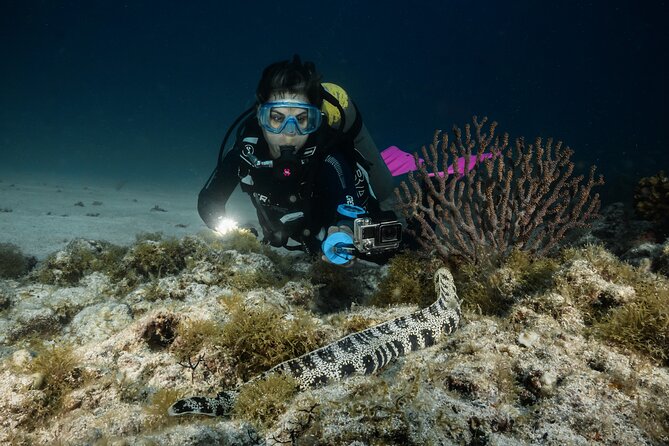
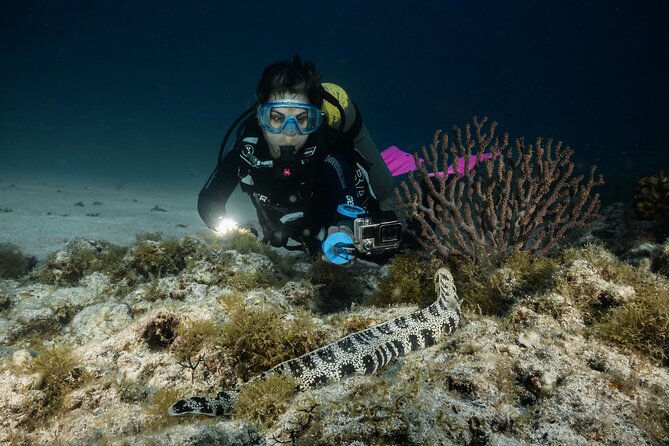
The sheer volume of equipment is staggering. Jeeps, bulldozers, and crates now lie encrusted with a kaleidoscope of coral. Schools of vibrant fusiliers (Caesionidae) dart around the wrecks, creating flashes of color against the rusting metal. I spotted a few sea turtles gracefully gliding past, their shells adorned with algae and barnacles. Moray eels peeked out from crevices, adding a touch of mystery to the scene. The coral growth is impressive, with staghorn coral (Acropora cervicornis) branching out and brain coral (Diploria strigosa) forming massive, rounded structures. The marine life thrives here. I even spotted a clownfish nestled in it's anemone home.
Initially, the dumping caused significant environmental damage. The sudden influx of metal and other pollutants must have been devastating to the existing ecosystem. However, over the decades, nature has begun to heal the wounds. Coral larvae have settled on the wrecks, attracting fish and other marine creatures. It's a powerful reminder of the resilience of the ocean, even in the face of human negligence. However, it doesn’t erase the initial act. The damage was still done. Million Dollar Point is a poignant example of how human actions, even those born of waste, can have long-lasting and complex environmental consequences. I can’t help but think the impact here could have been lessened had some thought been given.
Exploring the Blue Holes
Espiritu Santo is famed for its Blue Holes, freshwater sinkholes filled with unbelievably clear water. I visited two: Matevulu Blue Hole and Nanda Blue Hole.
Matevulu Blue Hole, located near Matavulu village (ask the locals for directions!), is a more secluded experience. The water is so clear it seems almost ethereal. Towering banyan trees surround the sinkhole, their roots reaching down towards the water's edge.
Nanda Blue Hole, a bit more developed (entry fee applies, approximately 2000 VUV, managed by the local community), offers a slightly different experience. Here, the water shimmers with an even more intense blue hue. Jumping into the crystal-clear water is so refreshing and one feels as though they’ve been transported into a different dimension!
The blue holes hold significant cultural importance for the local communities. Stories and legends are passed down through generations, often associating the holes with spirits and ancestral beings. It's essential to be respectful of these beliefs when visiting.
Safety tips for swimming and diving:
- Be aware of potential currents.
- Watch out for submerged rocks, and wear reef shoes.
- Avoid diving alone, and always check the depth before diving in.
Hiking to Mount Hope Waterfall
The hike to Mount Hope Waterfall (access via a guided tour from a local village near Port Olry, approximately 3000 VUV per person) was an adventure in itself. The trail winds through a lush rainforest, alive with the sounds of exotic birds. The forest is also home to diverse birdlife, including the Vanuatu Kingfisher (Todiramphus farquhari) and the Cardinal Myzomela (Myzomela cardinalis).
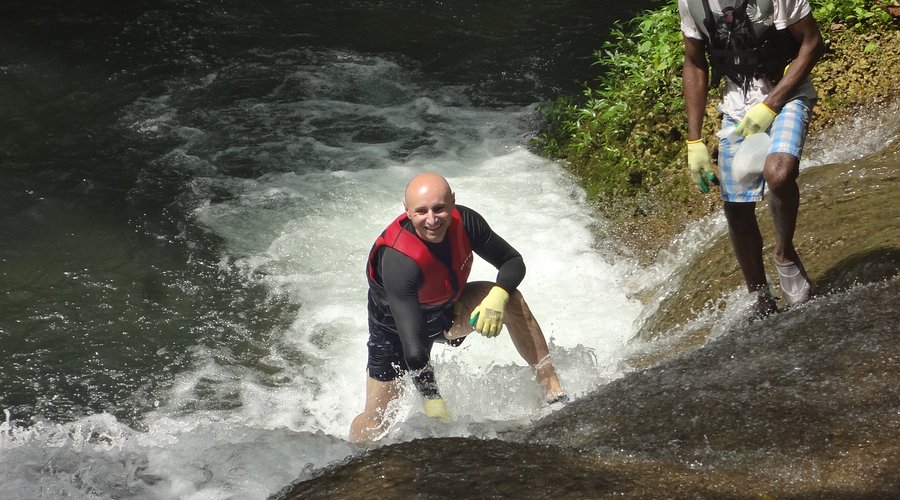
Navigating the slippery trails and crossing streams presented some challenges, but the reward was well worth the effort. The waterfall cascades into a natural pool, perfect for a refreshing swim.
It is imperative to respect the natural environment. Avoid disturbing wildlife, refrain from littering along the trail, and stick to the guided path to minimize your impact.
Visiting a Kastom Village
Visiting a kastom village near Hog Harbour (arrange visits through local tour operators like Santo Travel Centre, santotravelcentre.com) offered a profound glimpse into Vanuatu's traditional way of life. "Kastom" refers to the traditional customs and beliefs that have been passed down through generations.
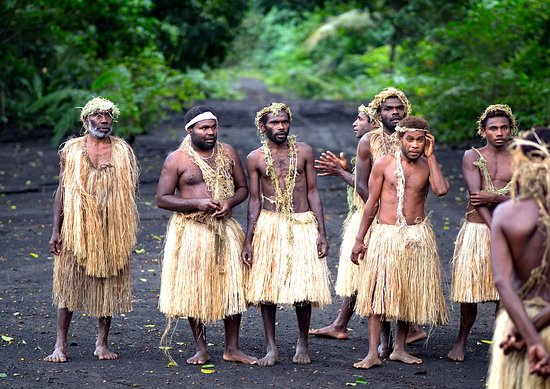
These villages operate according to ancient social structures, with traditional housing called Nakamals serving as community centers. Farming methods are often based on sustainable practices, passed down through generations. I witnessed skilled artisans crafting woven baskets, intricate carvings, and traditional clothing made from natural fibers. Supporting these communities by purchasing crafts directly from the artisans is a tangible way to contribute to sustainable tourism.
During my visit, the villagers performed traditional dances accompanied by the rhythmic sounds of bamboo flutes and slit drums. It was a truly captivating experience, a reminder of the rich cultural heritage that Vanuatu possesses.
Ethical considerations when interacting with indigenous cultures:
- Obtain informed consent before taking photos.
- Respect local customs and traditions.
- Ask permission before entering sacred spaces.
Food & Kava
No trip to Vanuatu is complete without experiencing the local cuisine.
Lap Lap: Lap lap is a staple food, often served during special occasions and ceremonies. The process begins with grating yam (or taro or banana, depending on the region) using a traditional grater. The grated root vegetable is then mixed with coconut milk, wrapped in banana leaves, and cooked in an underground oven called an "umu". The result is a smoky, savory dish that embodies the flavors of Vanuatu. The smokey flavour should be front and centre of the description.
Tuluk: Tuluk is a traditional Vanuatu dish made with grated manioc (also known as cassava), coconut milk, and meat or fish (often wrapped in banana leaves and cooked in hot stones). The combination of textures and flavors is unique, contrasting the starchy manioc with the creamy coconut milk and the savory meat or fish.
Kava: Kava is the traditional drink of Vanuatu, prepared by pounding the roots of the kava plant into a pulp, mixing it with water, and straining it through a hibiscus fiber cloth. Kava ceremonies are often held in Nakamals (traditional meeting houses), and the drink is known for its relaxing and mildly anesthetic properties. However, it's important to be aware of the potential health risks of excessive kava consumption, such as skin problems (kava dermopathy) and liver damage. Moderation and consultation with a healthcare professional are advised.
Sustainable Tourism Practices
Espiritu Santo offers several examples of sustainable tourism initiatives, from eco-lodges like Moyyan House by the Sea (moyyan.com) to community-run tours organized by local villages. Supporting these initiatives is crucial for promoting responsible travel practices. The Vanuatu Tourism Office (vanuatutourism.com) is a great resource for finding sustainable tourism options.
Ways to reduce your environmental impact:
- Use reef-safe sunscreen (containing zinc oxide or titanium dioxide).
- Avoid single-use plastics by bringing reusable water bottles and shopping bags.
- Participate in beach cleanups.
Landscapes
Espiritu Santo's landscapes are incredibly diverse. The white sand beaches and turquoise waters of Champagne Beach and Port Olry contrast with the dense jungle interior, where cascading waterfalls like Jackies Blue Hole and Millennium Cave await. In the distance, rugged volcanic peaks, such as Mount Tabwemasana, the highest peak in Vanuatu, rise majestically. Protecting these natural environments for future generations is paramount.
Ethical Considerations
While I witnessed many positive examples of sustainable tourism in Espiritu Santo, I also encountered some concerning practices. I saw a large cruise ship anchored near a pristine reef, discharging waste and causing damage to the delicate ecosystem. The locals expressed their frustration, as only a small percentage of the revenue generated by these cruise ships reaches the local economy, with most profits going to foreign-owned companies. There is a clear need for greater transparency and equitable distribution of tourism benefits to ensure that local communities benefit directly from tourism revenue and are empowered to protect their natural resources. The impact on the environment and community is quite severe.
Conclusion
My 7-day journey through Espiritu Santo has been an unforgettable experience, revealing both the breathtaking beauty of its underwater world and the importance of sustainable tourism. I urge you to visit Espiritu Santo responsibly. Support local communities by staying in locally owned accommodations and participating in community-run tours. Protect its fragile ecosystems by practicing responsible tourism habits and donating to local conservation organizations like the Vanuatu Environment Science Society (VESS). Every responsible traveler contributes towards the preservation of this paradise.