Embracing the Stark Beauty of Untamed Deserts: A...
The allure of desert landscapes extends far beyond the stereotypical images of endless sand dunes. For the intrepid traveler, deserts offer a unique blend of serenity, natural beauty, and cultural immersion, but they also present challenges that demand respect and preparation. Forget the well-trodden paths of the most famous deserts; it's time to explore the less-traveled corners of the world, where the stark beauty of untamed landscapes awaits. These are places where the challenges – the intense heat, the ever-present threat of dehydration, the profound isolation, and the unique desert wildlife – are not obstacles to be avoided, but integral parts of an experience that tests your limits and rewards you with unforgettable memories. This guide will help you to plan unique desert adventures, learn what to do to avoid desert travel challenges and practice responsible desert tourism.
Stargazing in the NamibRand Nature Reserve: A Celestial Symphony
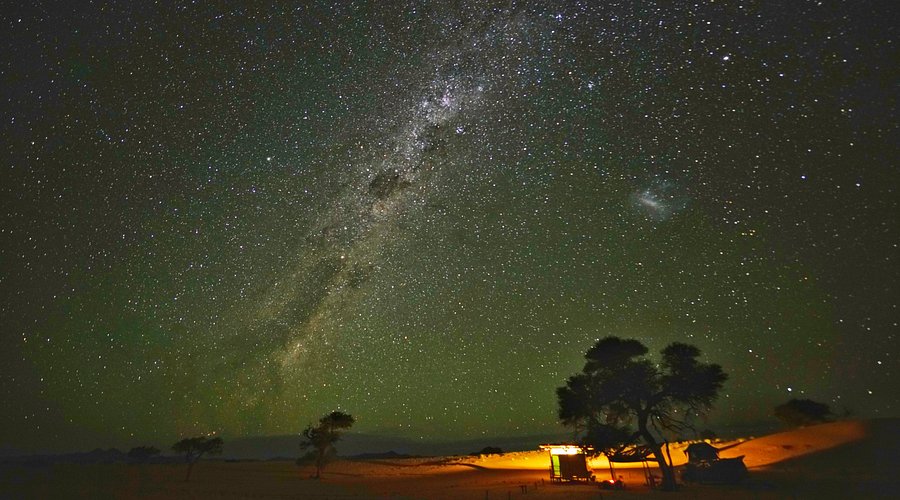
Imagine standing in the profound silence of the Namibian desert, the air crisp and cool against your skin, as you gaze up at a sky ablaze with stars. The NamibRand Nature Reserve, a Gold Tier International Dark Sky Reserve, offers just that – a celestial symphony unlike any other. This vast, privately owned reserve is dedicated to preserving the pristine darkness of its night skies, making it a haven for stargazers and a vital sanctuary for nocturnal wildlife. What's the best time of year to visit NamibRand Nature Reserve for stargazing? The dry season, from May to October, offers the clearest skies and best viewing conditions.
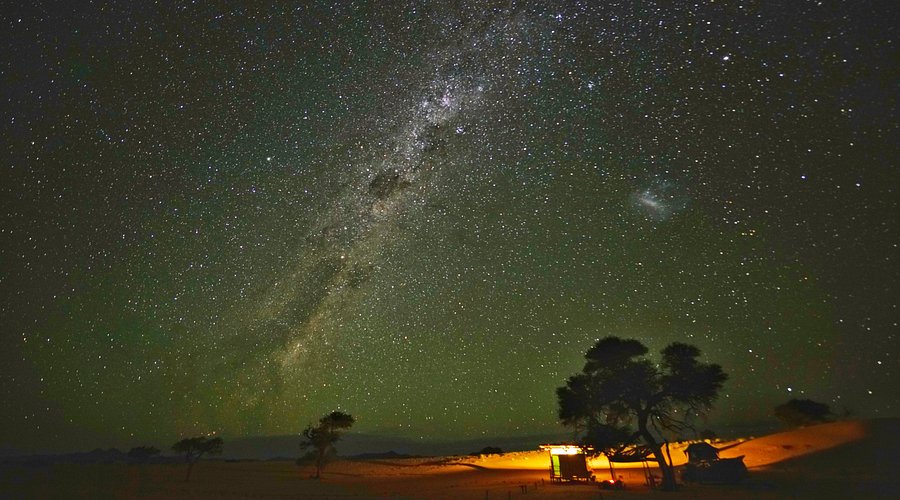
But the experience is more than just visual. The NamibRand is deeply connected to the indigenous San people, whose cosmology is interwoven with the stars. For them, the night sky is not just a beautiful sight, but a living map of their history, traditions, and spiritual beliefs. The dark skies are essential to their cultural heritage and the modern eco-tourism initiatives that support their communities.
"Preserving the dark skies is not just about protecting the environment, it's about protecting our culture and our future," says a representative of the NamibRand Community Trust.
Hypothetical Interview Question: "How does stargazing tourism help support local conservancies and contribute to the long-term sustainability of the NamibRand Nature Reserve?"
The NamibRand Community Trust works tirelessly to conserve this unique environment. By promoting eco-conscious stargazing experiences, they generate revenue that supports anti-poaching patrols, habitat restoration projects, and community development programs.
Call to Action: Support their vital work. Donate to the NamibRand Community Trust to help preserve the dark skies and protect this precious landscape: NamibRand Community Trust Donation Page.
Conquering Cerro Medanoso: Sandboarding the Singing Sands of the Atacama
Venture into the heart of the Atacama Desert in Chile, and you'll find Cerro Medanoso, one of the tallest sand dunes in the world. Climbing Cerro Medanoso is not for the faint of heart. The hike to the summit is a challenging ascent, battling the intense sun and the shifting sands beneath your feet. How to avoid dehydration in the Atacama Desert? Drink plenty of water, wear sun-protective clothing, and avoid strenuous activity during the hottest part of the day.
But the reward is well worth the effort. From the top, you're greeted with a panoramic view of the stark, minimalist beauty of the high-altitude desert landscape. And then, it's time for the descent – sandboarding down the dune face.
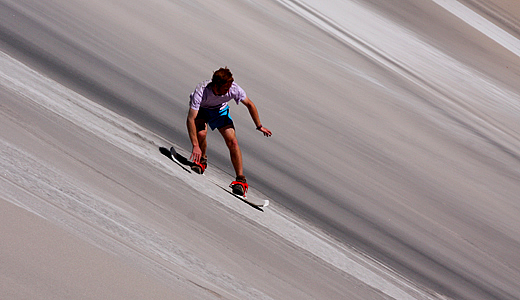
As you carve your way down, listen carefully. You might hear the unique "singing" of the sand – a low, resonant hum created by the friction of the grains sliding against each other. Cerro Medanoso sandboarding dangers include: potential for falls, sunburn, and dehydration. Always wear appropriate safety gear and stay hydrated.
We partner with local trekking and sandboarding companies committed to sustainable desert tourism practices. These companies prioritize minimizing their impact on the fragile desert ecosystem and supporting local communities.
"Climbing Cerro Medanoso is a challenge, but it's also an opportunity to connect with the power and beauty of the Atacama," says a local guide. "It's a place that demands respect, but it rewards you with an unforgettable experience."
Hypothetical Interview Question: "What steps does your company take to minimize the impact of sandboarding activities on the fragile desert ecosystem?"
Call to Action: Support local artisans. Purchase handcrafted souvenirs made from desert materials from reputable online stores or local markets, such as Atacama Desert Crafts.
Overcoming the mental challenges of desert isolation
Desert isolation is a common experience. Overcoming the mental challenges of desert isolation starts with self-awareness. Practice mindfulness, connect with nature, and set achievable daily goals.
Wadi Rum: Camel Trekking with the Bedouin
Journey to Jordan and immerse yourself in the timeless beauty of Wadi Rum, a protected desert wilderness characterized by towering sandstone mountains, narrow gorges, and vast sandy plains.
A truly authentic way to experience Wadi Rum is on a camel trek, guided by the Bedouin people, the traditional inhabitants of this desert landscape. We recommend booking with a Bedouin-run ecotourism outfit that offers multi-day treks, focusing on cultural exchange, traditional food, and responsible desert camping. What to pack for a multi-day camel trek in Wadi Rum? Pack light, comfortable clothing, a wide-brimmed hat, sunscreen, and plenty of water.
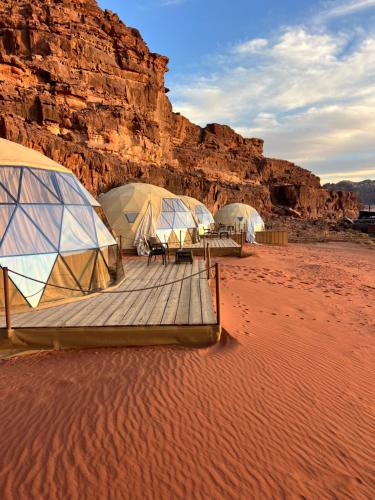
As you ride your camel across the sands, you'll learn about the Bedouin way of life, their deep connection to the desert, and their rich cultural heritage. Even though they look serene, there are wild animals that live in Jordan deserts and how to avoid. Be aware of scorpions and snakes, and avoid approaching unfamiliar animals. At night, you'll gather around a campfire, share stories, and savor traditional Bedouin cuisine cooked over the open flames. Respecting Bedouin culture while trekking Wadi Rum involves dressing modestly, asking permission before taking photos, and accepting offers of tea or coffee.
"Tourism is important for us, but it's also important that we preserve our culture and traditions," says a Bedouin guide. "We want to share our way of life with the world, but we want to do it in a way that is sustainable and respectful."
Hypothetical Interview Question: "How does the Bedouin community directly benefit from the ecotourism initiatives in Wadi Rum, and what steps are taken to ensure fair and equitable distribution of income?"
Call to Action: Book your adventure. Explore reputable Bedouin-run ecotourism operators with direct booking links, such as Wadi Rum Nomads.
What should I do if I encounter a sandstorm in the desert?
If you encounter a sandstorm in the desert, seek shelter immediately. Cover your face and eyes, stay low to the ground, and wait for the storm to pass.
A Call to Conscious Desert Exploration
From the celestial symphony of the NamibRand to the singing sands of the Atacama and the Bedouin hospitality of Wadi Rum, the world's less-traveled deserts offer unique experiences that will stay with you long after you've returned home. But these landscapes are fragile, and their cultures are precious. When you embark on your own unique desert adventures, remember to travel responsibly, support local communities, and respect the environment. By choosing responsible desert tourism, you can help ensure that these extraordinary places continue to inspire and captivate future generations.
Explore these landscapes with respect and awareness.
- For responsible desert travel resources, visit Sustainable Tourism in Deserts.
- To support environmental organizations working to protect desert ecosystems, visit Desert Conservation Fund.