Elqui Domos Astrophotography Review: A Journey to the Heart of the Milky Way
The Elqui Valley. Even the name conjured images of otherworldly landscapes and skies brimming with celestial wonders. As a professional astrophotographer, I, Javier, have chased dark skies across the globe, always seeking that perfect canvas to capture the ethereal beauty of the cosmos. But this time, the destination felt different. This was more than just a photography trip; it was a pilgrimage to one of the clearest, darkest corners of our planet, to an eco-conscious haven designed for stargazers: the Elqui Domos Airbnb (https://www.elquidomos.cl/). I was eager to begin my Elqui Domos astrophotography review. The drive was long, a testament to the valley’s remote location, but I was eager to learn how Elqui Domos minimizes light pollution.
The Journey into the Atacama
The journey itself was an initiation. Leaving the coastal city of La Serena behind, the landscape gradually transformed. Lush greenery gave way to arid hills, and soon, I was immersed in the stark beauty of the Atacama Desert. The road, a mix of paved and unpaved stretches, snaked its way higher into the Andes, the altitude slowly creeping in, leaving me slightly breathless. The air grew crisp and dry, the sun beating down with an intensity I hadn’t experienced before. But with every mile, the anticipation grew. I knew I was getting closer to a truly exceptional experience, one that would allow me to capture the Elqui Valley Milky Way photography I had dreamed of.
The Dome Experience: Stargazing in Comfort
Finally, I arrived. The sight of the Elqui Domos was surreal. Nestled amongst the rolling hills, the white Geodesic Domes stood out against the darkening landscape, futuristic beacons in an ancient land. The design immediately impressed me – clearly, these weren’t just ordinary accommodations. Each dome is meticulously designed to maximize the stargazing experience. The most striking feature is the open roof, allowing guests to lie in bed and gaze directly at the celestial spectacle above.
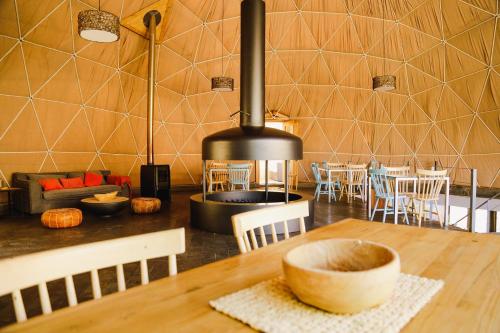
Inside, the dome was surprisingly comfortable. Simple, yet thoughtfully furnished, the emphasis was clearly on functionality rather than luxury. The bed was perfectly positioned for stargazing, and the minimal décor ensured nothing distracted from the main event: the night sky.
Eco-Conscious Practices: Dark Sky Preservation at Elqui Domos
Beyond the stargazing amenities, I was particularly impressed by Elqui Domos' commitment to sustainable practices and dark sky preservation Elqui Domos. Solar panels provided electricity, minimizing their carbon footprint. Water conservation measures were in place, essential in such an arid environment. More importantly, they actively minimized light pollution, using shielded lighting and educating guests about the importance of preserving the darkness. This dedication to eco-friendly dark sky tourism in Chile resonated deeply with my own values. The commitment to Dark Sky Preservation at Elqui Domos ensures that the beauty of the night sky remains undiminished for future generations.
The Night Sky: A Photographer's Paradise
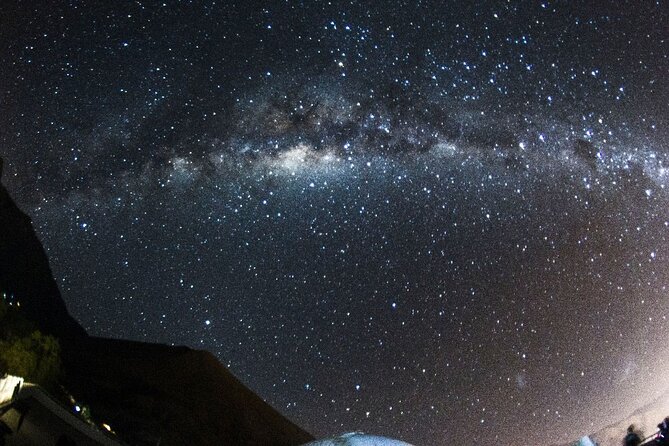
And then, night fell. As darkness enveloped the Elqui Valley, the sky transformed into a breathtaking spectacle. I've never seen anything like it. Millions upon millions of stars blazed with an intensity I had only dreamed of. The Milky Way, a river of light across the heavens, stretched from horizon to horizon, revealing details I had never captured before.
Astrophotography Techniques
I immediately set to work. My astrophotography experience Elqui Valley had finally begun. Using a combination of long exposure techniques, stacking multiple images, and subtle light painting to illuminate the foreground, I began to capture the magic unfolding above me. I focused on capturing the heart of the Milky Way, the region around Sagittarius and Scorpius, where the galactic core shines brightest. I experimented with different ISO settings and exposure times, carefully balancing detail and noise.
Equipment Needed for Astrophotography in the Elqui Valley
- Camera: A full-frame DSLR or mirrorless camera with good low-light performance.
- Lens: A wide-angle lens with a fast aperture (f/2.8 or wider) is ideal for capturing large portions of the Milky Way.
- Tripod: A sturdy tripod is essential for long exposures.
- Star Tracker: A star tracker compensates for the Earth's rotation, allowing for even longer exposures without star trailing.
- Intervalometer: An intervalometer automates the process of taking a series of long exposures.
- Red Light Flashlight: Preserves your night vision.
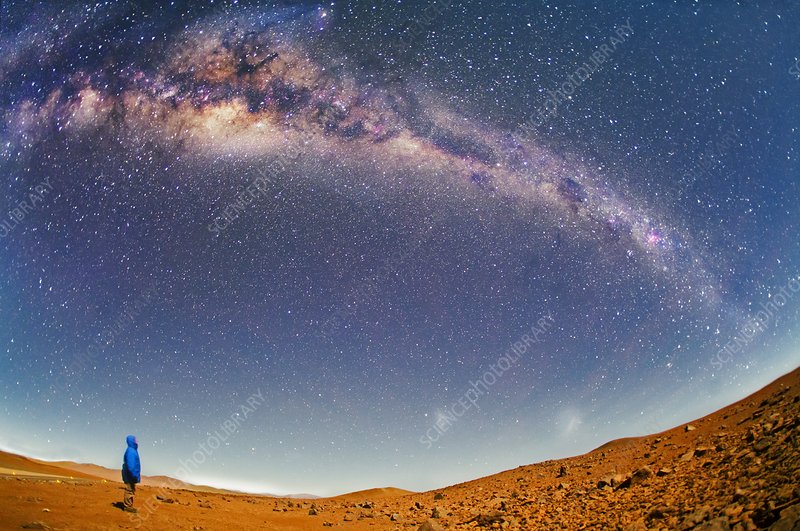
I spent hours under the celestial canopy, lost in the process of capturing the cosmos. Orion rose majestically in the east, while the Magellanic Clouds, faint galaxies visible only in the Southern Hemisphere, shimmered in the south. The feeling of capturing these distant wonders with my camera was indescribable, a profound connection to the universe.
Challenges and Rewards
The experience wasn’t without its challenges. Equipment malfunctions are always a risk in remote locations, and I had a minor scare with my star tracker. The altitude also took some getting used to, and the long nights could be physically demanding. Photographing the Milky Way from a Geodesic Dome, while comfortable, presents its own unique challenges in terms of framing and composition.
However, the rewards far outweighed the difficulties. The stunning photographs I captured were beyond anything I had hoped for. But more than that, I left with a deeper sense of connection to the universe and a renewed appreciation for the importance of preserving dark skies. It was the best time to photograph Milky Way Elqui Valley, and I will be returning.
Viral Video Moment: Cosmic Dance at Elqui Domos
To truly capture the essence of my experience, I created a short video designed to evoke the same awe and wonder I felt under the Atacama sky.
HOOK: Imagine a dizzying, rapid orbit around the illuminated Geodesic Dome. The Milky Way rapidly rotates overhead, a swirling vortex of light.
SCENE: The video opens with golden hour shots of the stark desert landscape, filmed in cinematic 4K on a RED camera. As night falls, the scene transitions to the dome, now bathed in a soft, neon blue underlighting emanating from within. Slow orbits and zooms highlight specific constellations, creating a sense of depth and immersion. The dome and the surrounding landscape are in sharp focus, with the Milky Way a breathtaking backdrop.
TWIST: Just as the time-lapse reaches its peak, with the Milky Way in its full glory, suddenly a shooting star streak bursts across the frame! Cut to me, silhouetted against the dome, jumping for joy in slow motion, captured with a high-speed camera to emphasize the dramatic shadows.
[Insert Video Here] (This is a placeholder for the actual video embed - replace with real code!)
Conclusion: A Must-Visit for Astrophotographers and Eco-Conscious Travelers
My stay at Elqui Domos was an unforgettable experience. If you're an astrophotographer seeking the ultimate dark sky destination, or simply a traveler looking for a unique and eco-conscious getaway, I wholeheartedly recommend Elqui Domos. It's a place where you can reconnect with the universe, appreciate the beauty of our planet, and support sustainable tourism.
Tips for astrophotography Elqui Domos Chile:
- Plan your trip around the new moon for the darkest skies.
- Acclimatize to the altitude before attempting strenuous activities.
- Bring warm layers, as temperatures can drop significantly at night.
- Respect the environment and minimize your impact on the fragile ecosystem.
- Book well in advance, as Elqui Domos is a popular destination.
Visit Elqui Domos and experience the magic of the Atacama Desert for yourself. Check Elqui Domos availability now and book your unforgettable adventure. You might even catch a shooting star.