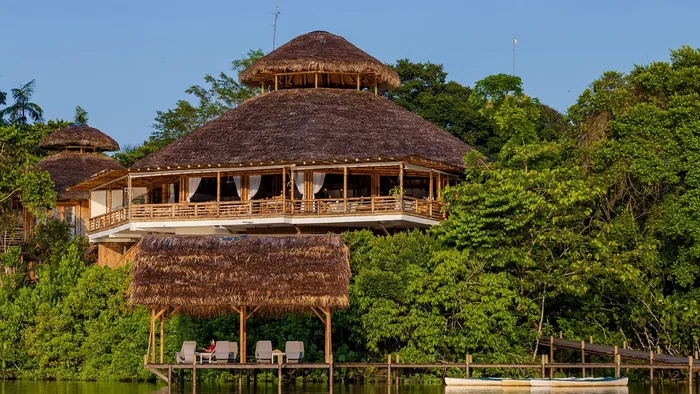
Ecuador Amazon Rainforest Tours: A Journey of Di...
I’ll never forget the moment I saw it. A vibrant, intricately patterned butterfly wing, slowly opening, revealing a masterpiece of nature's artistry. Bathed in warm, filtered light that streamed through the dense rainforest canopy, the colors seemed to pop with an almost unnatural intensity. Suddenly, it burst into flight, a flash of iridescent blue against the green, landing delicately on a leaf. But this was no ordinary leaf. It was a perfect mimic, almost an exact duplicate of the butterfly's own wing pattern. Pure astonishment. Welcome to the Amazon.
The Ecuadorian Amazon, a jewel of biodiversity nestled within the larger Amazon River Basin, is a place that hums with life, a symphony of the seen and unseen. As an environmental researcher with a passion for conservation, I recently had the privilege of immersing myself in this incredible ecosystem. My goal? To explore its wonders, understand its challenges, and contribute, in my own small way, to its preservation. This trip, organized by Vistalocation.com, focused on sustainable travel Amazon Ecuador, taking me deep into the heart of the rainforest with local indigenous communities and dedicated conservationists. What I experienced was both breathtaking and profoundly concerning.
Immersed in the Emerald Depths: Sustainable Activities in the Amazon
My journey was meticulously crafted to minimize environmental impact and maximize cultural immersion. Instead of opting for typical tourist traps, I focused on activities that directly supported local communities and conservation efforts. We participated in guided rainforest treks led by members of the Waorani community, learning about the medicinal properties of plants and the intricate ecological relationships that sustain the forest.
One of the most rewarding aspects was participating in a citizen science project, collecting data on insect populations using an AI-powered image recognition app, like iNaturalist. It was incredible to identify specific species, contributing to a larger understanding of the forest's biodiversity. I even used a portable solar-powered drone charger to power my DJI Mini 3 Pro, capturing aerial documentation of the forest canopy health.
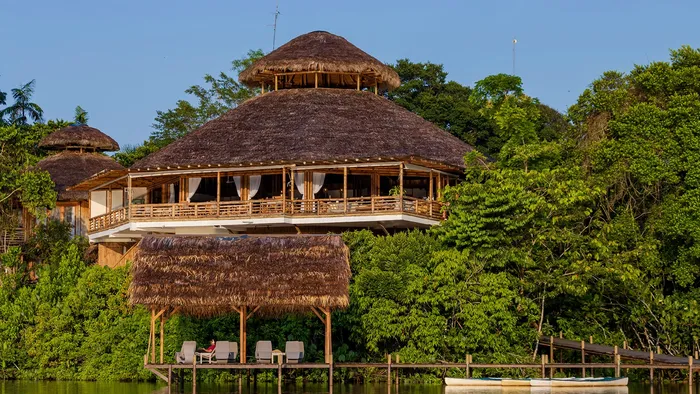
We also stayed at an Ecuador Amazon Eco Lodge that prioritized conservation. This lodge was owned and operated by a local family, and a significant portion of its profits went directly back into community development and forest protection.
Yasuni National Park Ecotourism
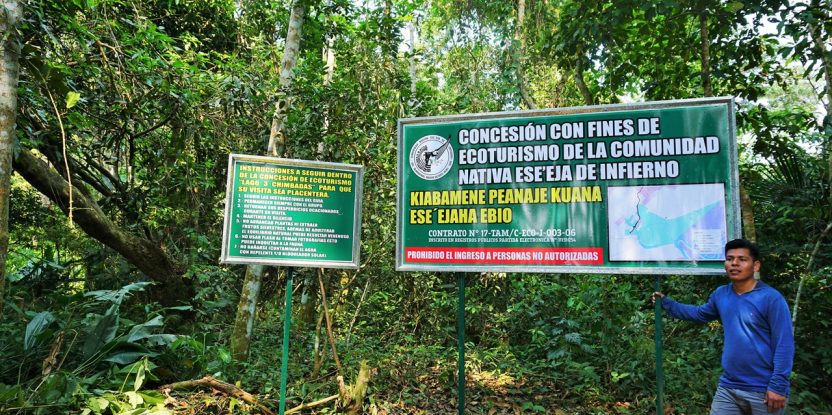
A significant portion of my trip was spent within the Yasuni National Park, a UNESCO Biosphere Reserve renowned for its unparalleled biodiversity. Here, ecotourism initiatives are carefully managed to minimize impact and support local communities. The park offers a range of sustainable activities, including guided hikes, canoe trips, and cultural exchanges.
A Taste of the Amazon: Sustainable Cuisine
Amazonian cuisine is a unique tapestry of flavors, ingredients, and traditions. During my trip, I had the opportunity to sample a variety of dishes, all prepared with sustainably sourced ingredients and traditional techniques. I was particularly struck by the emphasis on using local resources responsibly, minimizing waste, and preserving culinary heritage.
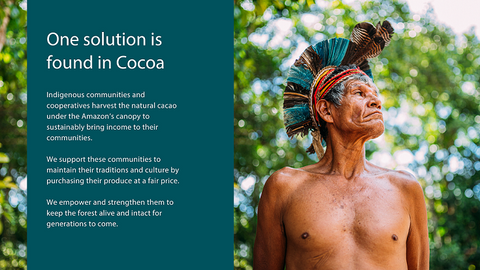
One unforgettable experience was participating in a cooking class led by a local woman named Elena. She taught us how to prepare a traditional dish using sustainably harvested cacao. The rich, earthy flavor of the cacao combined with the other local ingredients created a truly unforgettable culinary experience.
"We must preserve our culinary traditions," Elena told me, "not just for ourselves, but for future generations. It is part of who we are." She went on to explain the challenges they face in maintaining these traditions, from the increasing availability of processed foods to the pressure from outside influences. This really emphasized the importance of ethical tourism cacao farm tour experiences.
The Rainforest Up Close: Details, Sounds, and Textures
Forget sweeping vistas; the true beauty of the Amazon lies in the details. The intricate patterns on a leaf, the rough texture of tree bark, the iridescent shimmer of an insect's wing – these are the things that truly capture the essence of the rainforest.
The gentle patter of rain on broad leaves creates a soothing, almost hypnotic sound. The air is thick with the scent of damp earth and blooming orchids. Early one morning, as I was documenting the sounds of the rainforest with a binaural microphone, I was startled by an iguana unexpectedly perched on a branch overhead, its scales shimmering in the filtered sunlight. I managed to snap a viral-worthy macro photograph of an Amazonian insect, showcasing its alien beauty and biological importance.
This created what felt like an Amazon Ecuador ASMR experience, one I will never forget.
Challenges and Threats: The Amazon in Peril
Rainforest travel isn't always easy. The humidity can be oppressive, insects are relentless, and navigating the dense vegetation can be challenging. However, these discomforts pale in comparison to the real threats facing the Amazon. Deforestation, driven by agriculture, mining, and illegal logging, is rampant. The environmental consequences are devastating, leading to habitat loss, soil erosion, and climate change.
"The proposed new road development will be a disaster," warned Ricardo, a local conservationist with the COFAN tribe. "It will open up vast areas of pristine forest to exploitation and destruction. We must fight to protect our home." Ricardo's words resonated deeply, highlighting the urgent need for Amazon rainforest conservation Ecuador.
Citizen Science Amazon Ecuador
One of the most empowering aspects of sustainable travel is the opportunity to engage in citizen science projects. These initiatives allow travelers to contribute directly to scientific research and conservation efforts. In the Amazon, this can involve anything from collecting data on bird populations to monitoring water quality.
Ecuador Amazon Rainforest Itinerary Planning
Planning a trip to the Ecuadorian Amazon requires careful consideration of several factors, including the time of year, your budget, and your interests.
Here's a sample itinerary outline:
- Arrival in Quito: Acclimatize to the altitude and explore the city.
- Travel to the Amazon: Fly or take a bus to your chosen Amazonian destination.
- Rainforest Immersion: Engage in guided treks, canoe trips, and cultural exchanges.
- Citizen Science: Participate in a research project.
- Community Engagement: Visit a local village and learn about their traditions.
- Departure: Return to Quito for your flight home.
For information on what the best time to visit Ecuador Amazon for wildlife viewing is, it is recommended to visit during the dry season.
The Importance of Sustainable Travel
Choosing sustainable travel Amazon Ecuador options is not just a trend; it's a necessity. By supporting eco-lodges, local communities, and conservation projects, we can help protect this vital ecosystem for future generations. It's about traveling responsibly, respecting the local culture, and minimizing our impact on the environment.
Conclusion: A Call to Action
My journey into the Ecuadorian Amazon was a transformative experience. I witnessed the incredible beauty and biodiversity of the rainforest, but I also saw the challenges it faces. It's up to us, as travelers and global citizens, to support sustainable tourism practices and advocate for the protection of this irreplaceable ecosystem. Book your Ecuador Amazon tour packages today and contribute to a better future.