Echoes of the Ancients: A Cultural Anthropologis...
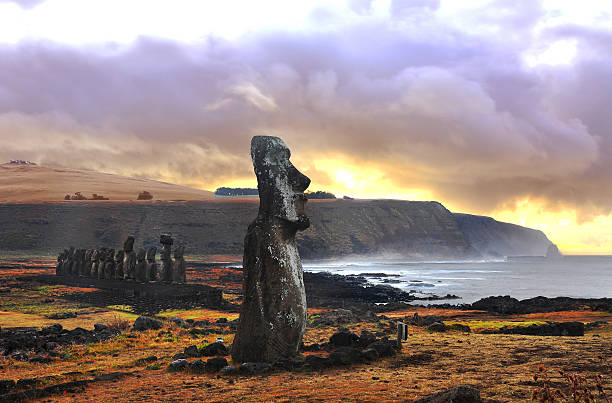
The pre-dawn stillness was profound, broken only by the gentle lapping of waves against the shore. Underfoot, the volcanic stone felt cool and rough, a stark contrast to the anticipation that warmed me. Then, as the horizon began to bleed with the first light, they emerged: the Moai of Ahu Tongariki. Silhouetted against the fiery sky, their imposing figures stood in silent vigil, guardians of a history both majestic and deeply poignant. The salty scent of the ocean air mingled with the weight of centuries, and in that moment, I knew my journey to Rapa Nui would be more than just a trip; it would be an immersion into the soul of a resilient culture.
Participating in Moai Restoration: A Tangible Connection to the Past
My work as a cultural anthropologist often involves observing and interpreting from a distance. However, on Rapa Nui, I had the profound opportunity to actively participate in a Moai restoration project. Working alongside local Rapa Nui artisans was an experience that transcended any textbook knowledge. The repatriation of artifacts, many stolen from the island over the years, and the meticulous work of restoring the Moai to their original platforms, or Ahu, felt like a sacred duty.
We used traditional techniques, employing levers and rollers fashioned from local wood and stone, mirroring the methods used by the ancient Rapa Nui people. Seeing the artisans’ deep connection to the stone, their understanding of its nuances, and their unwavering dedication to preserving their heritage was truly inspiring. The feeling of placing a carefully chosen stone, knowing it would contribute to the Moai's enduring legacy, was deeply moving. This hands-on experience underscored the importance of respecting and supporting the cultural revitalization efforts led by the Rapa Nui community.
The Flavors of Rapa Nui: An Umu and the Sweetness of Po'e
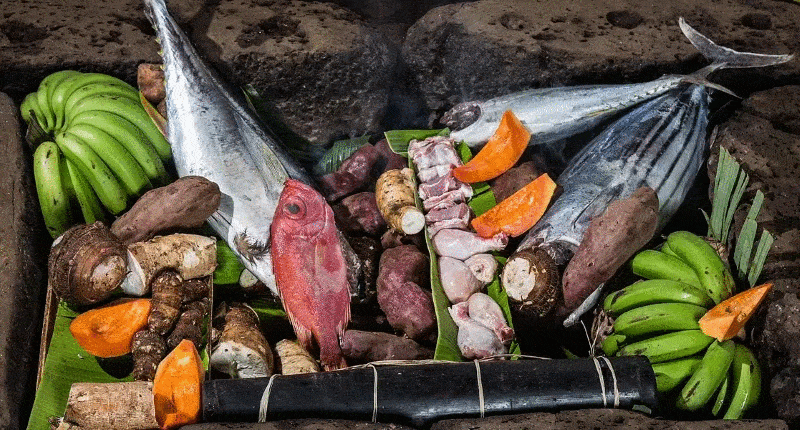
No cultural immersion is complete without experiencing the local cuisine. On Rapa Nui, I had the privilege of participating in the preparation of an Umu, a traditional earth oven. The process is a testament to the Rapa Nui people’s ingenuity and connection to the land. The Umu is more than just a cooking method; it's a social event, a gathering of family and friends to share in the preparation and enjoyment of food.
The star of our Umu was Po'e, a traditional banana and pumpkin pudding. Layering the ingredients – ripe bananas, sweet pumpkin, and a touch of flour – within the heated stones was an art in itself. As the Umu steamed, the aroma that filled the air was intoxicating, a blend of sweet fruit, smoky earth, and the anticipation of a shared meal. The Po'e itself was a revelation: a dense, sweet, and subtly smoky pudding that perfectly captured the flavors of Rapa Nui. This culinary experience provided a tangible link to broader Rapa Nui traditions, highlighting the resourcefulness and communal spirit of the people.
Orongo: Whispers of the Birdman Competition
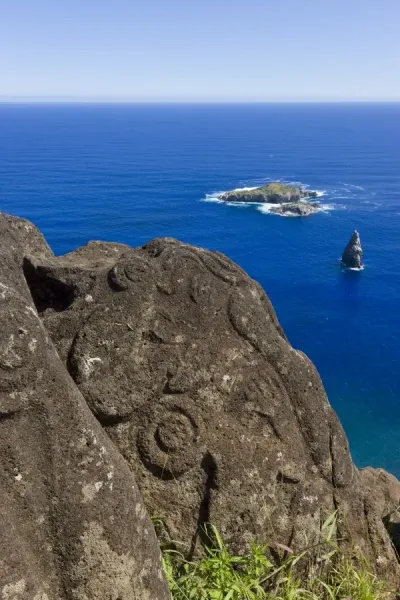
Perched high on the crater rim of the extinct volcano Rano Kau lies Orongo, a ceremonial village unlike any I have ever encountered. The unique volcanic rock formations, sculpted by wind and time, create a dramatic landscape that amplifies the myths surrounding the Birdman competition, or Tangata manu.
Oral histories, passed down through generations, paint a vivid picture of this ancient ritual. Young men, representing different clans, would compete in a perilous race to retrieve the first sooty tern egg from the islet of Motu Nui. The winner, or rather his clan, would then hold power for the following year. Standing on those windswept cliffs, gazing at the petroglyphs carved into the rocks – depictions of birds, human figures, and mythical creatures – I could almost hear the echoes of the past. The stark beauty of the volcanic landscape, the sheer drop to the ocean below, and the tangible sense of history made Orongo an unforgettable experience.
Reviving the Rapa Nui Language: A Song of Resilience
The Rapa Nui language, like many indigenous languages around the world, has faced significant challenges. Historically marginalized by colonization and the dominance of Spanish, it is now undergoing a revival, fueled by the passionate efforts of the Rapa Nui people. This initiative resonates deeply with similar Polynesian language revival efforts in places such as Hawaii and New Zealand, where communities are working to reclaim their linguistic heritage.
The challenges are considerable: limited resources, a small number of native speakers, and the pervasive influence of globalization. However, the Rapa Nui community is employing innovative strategies, including language immersion programs in schools, the creation of digital resources, and the promotion of Rapa Nui language in music and art. The importance of language in maintaining cultural identity cannot be overstated. By preserving and revitalizing their language, the Rapa Nui people are safeguarding their unique worldview, their ancestral knowledge, and their connection to the past. Supporting these initiatives is crucial for ensuring the continued vitality of Rapa Nui culture.
The Double-Edged Sword: Managing Tourism's Impact on Rapa Nui
Tourism is a vital source of income for Rapa Nui, but it also poses a significant threat to the island's fragile ecosystem and cultural heritage. The influx of visitors – with annual numbers estimated around 150,000 before the pandemic – places immense pressure on the island's limited infrastructure, particularly its waste management capacity. According to a 2018 report by the Rapa Nui Municipality, the island produces approximately 14 tons of waste per day, while the recycling rate remains below 10%. This stark disparity underscores the urgent need for sustainable tourism practices.
Specific initiatives are underway to mitigate environmental damage and preserve the island's cultural heritage. These include:
- Restricting access to certain archaeological sites: This helps to minimize erosion and damage caused by foot traffic.
- Promoting eco-friendly accommodations and tour operators: Encouraging businesses to adopt sustainable practices.
- Investing in waste management infrastructure: Improving recycling facilities and reducing landfill waste.
- Educating tourists about responsible travel: Raising awareness about the importance of respecting Rapa Nui culture and environment.
These efforts are essential for ensuring that tourism benefits the Rapa Nui community without compromising the island's unique cultural and natural resources.

A Call to Action: Contributing to Rapa Nui's Future
As visitors, we have a responsibility to contribute positively to the Rapa Nui community and help preserve its unique heritage. Here are some specific ways you can make a difference:
- Book tours with Rapa Nui-owned businesses: Support the local economy and ensure that tourism benefits the community directly. Search for "Rapa Nui tour guide services" to find local operators.
- Support local artisans by purchasing their crafts: Look for authentic Rapa Nui handicrafts, avoiding mass-produced souvenirs. Ethical souvenirs from Rapa Nui are a great way to support the people and the culture.
- Donate to Rapa Nui-specific charities focused on cultural preservation and sustainable development: Consider organizations such as the Rapa Nui Cultural Heritage Trust. Search for "Donate to Rapa Nui language preservation" to help the cause.
- Practice responsible tourism: Respect local customs, minimize your environmental impact, and be mindful of the island's limited resources.
By making conscious choices, we can help ensure that future generations will have the opportunity to experience the magic and mystery of Rapa Nui. The echoes of the ancients deserve to be heard for many years to come.