Diving into Paradise: Sustainable Marine Tourism...
Nosy Be, Madagascar. Just the name conjures images of pristine beaches, turquoise waters, and lush tropical forests. But beyond its picture-postcard beauty lies a treasure trove of marine biodiversity, a place where vibrant coral reefs teem with life and gentle giants like whale sharks patrol the depths. As a marine biology PhD student, I couldn't resist the call to explore this incredible island and witness firsthand its natural wonders. My recent trip wasn't just a vacation; it was an immersive experience into the heart of Madagascar's marine ecosystems and a look at the sustainable practices helping to protect them.
Unveiling the Underwater Wonders: Diving at Tanjona Fanihy and Nosy Sakatia
My adventure began beneath the waves, exploring the renowned dive sites of Tanjona Fanihy and Nosy Sakatia. Tanjona Fanihy, in particular, left me speechless. The sheer diversity of marine life was astounding, from colorful reef fish darting amongst the coral branches to graceful sea turtles gliding effortlessly through the water.
The coral reefs, thankfully, appeared healthy and vibrant, a testament to the ongoing conservation efforts in the area. However, I did notice some localized areas of coral bleaching, a stark reminder of the ever-present threat of climate change and ocean acidification. This observation reinforced the crucial importance of responsible tourism practices and supporting initiatives aimed at mitigating these environmental impacts. I would rate my diving experience at Tanjona Fanihy a 9/10 and diving at Nosy Sakatia a 7/10. The slight variance results from the greater concentration of marine species at Tanjona Fanihy.
Coral Reef Conservation Nosy Be Impact
The coral reefs of Nosy Be are vital for the entire marine ecosystem, providing habitat, breeding grounds, and food sources for countless species. Healthy reefs also contribute significantly to the local economy, attracting tourists and supporting fisheries. The observed coral bleaching underscores the urgency of addressing climate change and implementing effective conservation strategies. Supporting local organizations that monitor reef health and promote sustainable fishing practices is paramount to ensuring the long-term survival of these precious ecosystems.
Following Giants: Whale Shark Research with the Madagascar Whale Shark Project
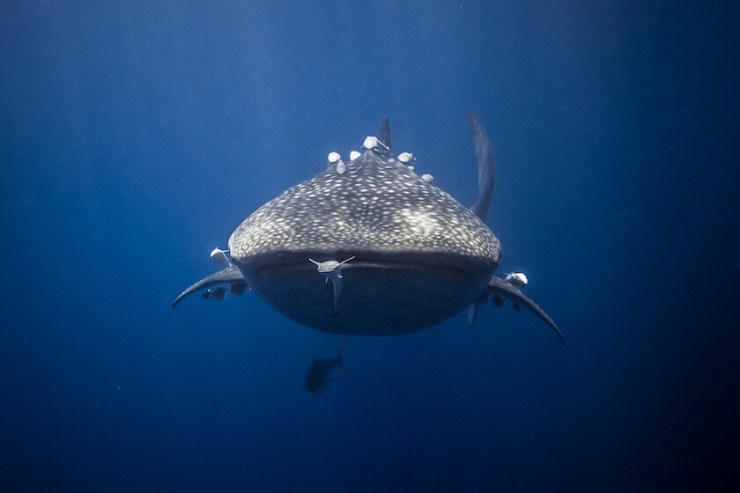
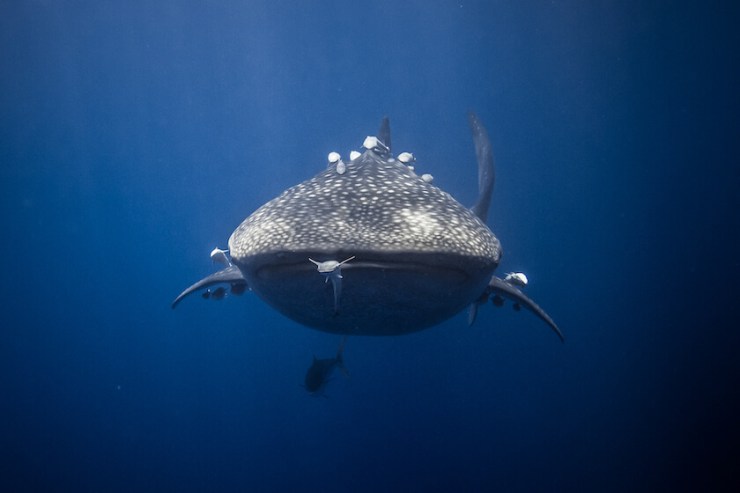
One of the highlights of my trip was participating in a whale shark research excursion with the Madagascar Whale Shark Project. This dedicated NGO is committed to studying and protecting these magnificent creatures, using photo identification and tracking data to understand their movements and behavior.
Working alongside the researchers, I learned about the threats facing whale sharks, including entanglement in fishing gear and habitat degradation. I was also impressed by the project's commitment to involving local communities in conservation efforts, promoting sustainable tourism practices, and providing alternative livelihoods. Supporting the Madagascar Whale Shark Project is a direct way to contribute to the protection of these gentle giants and the health of the marine environment.
Madagascar Whale Shark Conservation Volunteering
For those interested in a more hands-on experience, volunteering with the Madagascar Whale Shark Project offers a unique opportunity to contribute to vital research and conservation efforts. Volunteers assist with data collection, photo identification, and community outreach programs, gaining invaluable experience in marine biology and conservation. This type of research is an example of citizen science, where the public collaborates with scientists for data collection and monitoring.
Lokobe Reserve: A Glimpse into Madagascar's Terrestrial Biodiversity
Beyond its stunning coastline, Nosy Be boasts a rich terrestrial ecosystem. I ventured into the heart of the island with a guided tour from Nosy Be Original to explore the Lokobe Reserve. This protected area is home to a diverse array of endemic species, including lemurs, chameleons, and vibrant birdlife.

Our knowledgeable guide expertly navigated the dense forest, pointing out camouflaged chameleons clinging to branches and playful lemurs leaping through the trees. It was a truly unforgettable experience, highlighting the interconnectedness of Madagascar's ecosystems and the importance of preserving its unique biodiversity.
The Scent of Nosy Be: A Visit to an Ylang-Ylang Plantation
Nosy Be is renowned for its production of ylang-ylang, a fragrant flower used in perfumes and aromatherapy. A visit to a local plantation offered insight into the cultivation and processing of this valuable crop, a significant contributor to the island's economy. I learned about the traditional methods used to extract the essential oil and the importance of sustainable farming practices in protecting the environment and supporting local communities. The Ylang-Ylang flower is used to produce chanel number 5.
A Culinary Journey: Tasting the Flavors of Madagascar
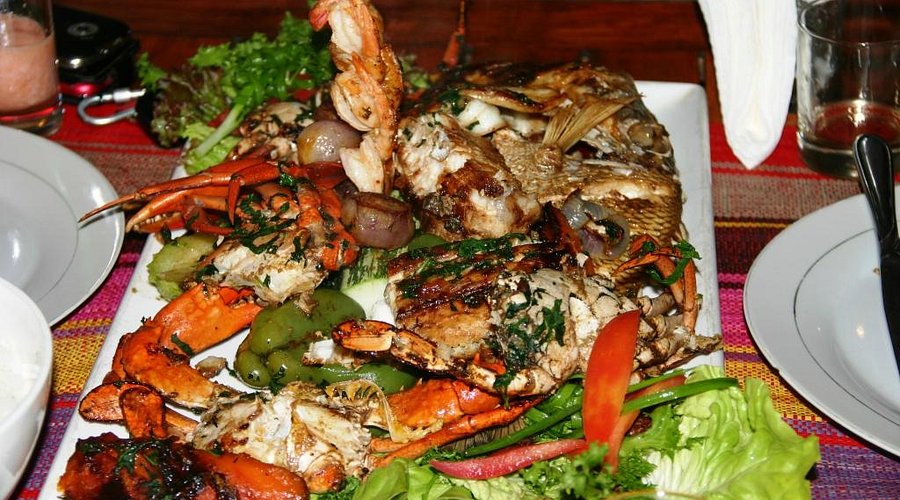
No trip to Nosy Be is complete without indulging in the local cuisine. I savored traditional Malagasy dishes like romazava, a hearty beef stew, and ravitoto, cassava leaves cooked with shredded pork. The freshness of the seafood was unparalleled, particularly the grilled lobster and camarons (prawns).

And of course, no meal was complete without sampling the island's abundant local fruits, like lychees, mangoes, and passion fruit. Washing it all down with a Three Horses Beer (THB), a popular local brew, added the perfect finishing touch to a delicious culinary adventure.

Malagasy Cuisine Sustainable Sourcing
The availability of fresh, locally sourced ingredients is a highlight of Malagasy cuisine. Choosing restaurants that prioritize sustainable sourcing and support local farmers helps to minimize environmental impact and contribute to the island's economy. Be sure to ask about the origin of the ingredients and opt for establishments that are committed to responsible practices.
Landscapes: Contrasting Reefs and Volcanic Interiors
Nosy Be's beauty extends beyond its underwater realm. The island's diverse landscape features volcanic peaks, lush tropical forests, and pristine beaches fringed by turquoise waters. The contrast between the vibrant coral reefs and the rugged volcanic interior creates a stunning visual tapestry.

As a marine biologist, I was particularly struck by the delicate balance of the reef ecosystem. The health of the reefs is inextricably linked to the surrounding environment, highlighting the importance of protecting both the terrestrial and marine habitats. Runoff from agriculture and deforestation can negatively impact water quality, harming coral reefs and other marine life.
Responsible Travel Nosy Be Locals
My trip to Nosy Be was an eye-opening experience, revealing the incredible beauty and fragility of Madagascar's marine ecosystems. It also underscored the importance of responsible tourism in protecting these natural wonders for future generations.
Here are a few simple steps you can take to minimize your impact and support sustainable tourism in Nosy Be:
- Use reef-safe sunscreen: Conventional sunscreens contain chemicals that can harm coral reefs. Opt for mineral-based sunscreens that are free of oxybenzone and octinoxate.

- Reduce single-use plastics: Bring your own reusable water bottle, shopping bag, and reusable containers. Refuse single-use plastics whenever possible.
- Support local businesses: Choose locally owned hotels, restaurants, and tour operators. Buy souvenirs from local artisans and support community-based tourism initiatives.

- Respect local customs: Learn about Malagasy culture and customs and be mindful of local traditions.
- Support marine conservation: Donate to or volunteer with organizations like Cétamada, which focuses on marine mammal conservation in Madagascar.
Supporting Cétamada and Megafauna Conservation
Cétamada is a non-profit organization dedicated to the study and protection of marine mammals in Madagascar, including whales, dolphins, and dugongs. By supporting Cétamada, you can contribute to vital research and conservation efforts, helping to ensure the long-term survival of these magnificent creatures and their habitats.
There are opportunities to donate to Cetamada here.
Conclusion: A Call to Action for Sustainable Marine Tourism
Nosy Be is a true paradise, offering a unique blend of natural beauty, cultural richness, and adventure. But its long-term sustainability depends on our collective commitment to responsible tourism. By making conscious choices, we can minimize our impact on the environment, support local communities, and help preserve this incredible destination for generations to come. So, pack your bags, grab your reef-safe sunscreen, and get ready to dive into the wonders of Nosy Be – responsibly.