Diving into Paradise: A Marine Biologist's Journ...
Palau, an archipelago nation nestled in Micronesia, has long captivated the hearts of divers and conservationists alike. Renowned for its breathtaking underwater landscapes and unwavering commitment to environmental preservation, particularly its pioneering status as a shark sanctuary, Palau offers an unparalleled experience for the eco-conscious traveler. Join me, Dr. Anya Sharma, a marine biologist and avid dive enthusiast, as I recount my recent journey to this Pacific jewel, exploring its vibrant reefs, unique ecosystems, and the inspiring efforts to safeguard its marine heritage. This Palau dive travel guide is a must read for any environmentally conscious diver.
Blue Corner: A Symphony of Sharks and Coral
My diving adventure began at the legendary Blue Corner, consistently ranked among the best dive sites Palau. As I descended into the azure depths, the strong currents immediately made their presence known – a thrilling challenge even for an experienced diver. These currents are the lifeblood of the reef, bringing in a constant supply of nutrients that fuel an explosion of marine life.
Grey reef sharks were the undisputed stars of the show, patrolling the reef edge in impressive numbers. Their sleek silhouettes against the backdrop of the deep blue were a mesmerizing sight. The sheer abundance of these apex predators is a testament to Palau's successful conservation efforts, solidifying its reputation as a haven for sharks. Alongside the sharks, I encountered schools of barracuda, Napoleon wrasse, and a kaleidoscope of reef fish darting amidst the vibrant coral formations. The coral itself was a diverse tapestry of colors and shapes, from delicate branching corals to massive brain corals, all thriving in this nutrient-rich environment. Palau diving visibility here can often exceed 100 feet.
German Channel: Manta Ray Encounters and Conservation
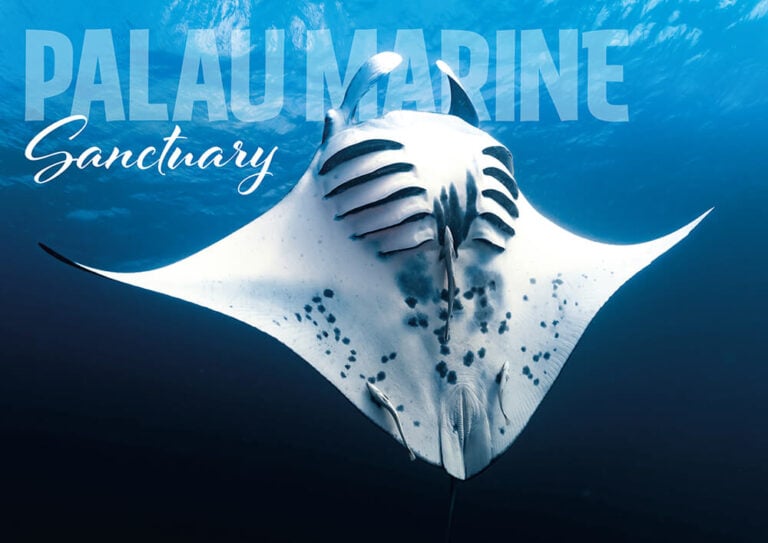
Next on my itinerary was German Channel, a man-made waterway that has become a magnet for manta rays. This channel, originally created for bauxite mining, now serves as a crucial feeding and cleaning ground for these gentle giants. I was particularly excited to witness the manta ray cleaning stations firsthand.
As I settled onto the sandy bottom, a majestic manta ray gracefully glided into view, its enormous wings spanning over 12 feet. It approached a cluster of small cleaner wrasse, who eagerly set to work removing parasites from its skin. This symbiotic relationship is a fascinating example of the intricate web of life that thrives in Palau's waters. Palau is one of the best places to see manta rays.
The dive operators in German Channel are acutely aware of the importance of protecting these magnificent creatures. They adhere to strict guidelines to minimize disturbance, such as maintaining a safe distance and avoiding flash photography. These responsible diving practices are essential for ensuring the long-term health and well-being of the manta ray population.
Kayaking Through the Rock Islands: A Pristine Paradise
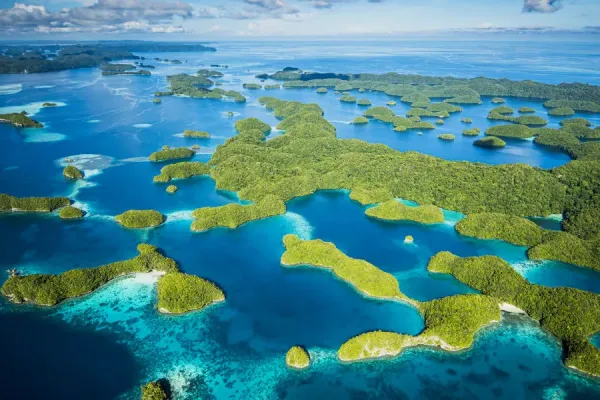
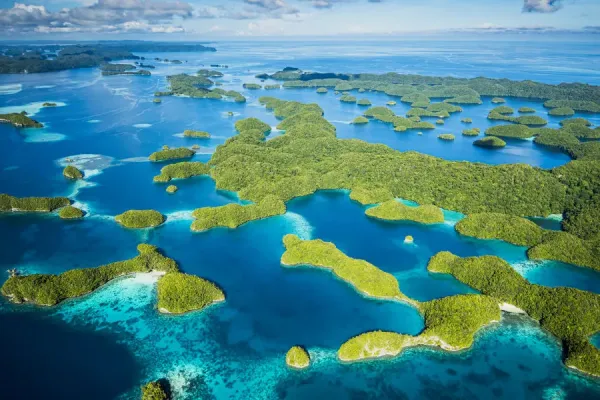
Beyond the depths, Palau's beauty extends above the surface, particularly in the iconic Rock Islands Southern Lagoon, a UNESCO World Heritage site. I embarked on a kayaking trip through these breathtaking islands, marveling at their unique mushroom-shaped limestone formations, sculpted by millennia of erosion.
Paddling through the crystal-clear waters, I was mesmerized by the vibrant colors of the shallow reefs, teeming with life. Schools of fish shimmered in the sunlight, while colorful corals and giant clams dotted the seabed. It was a vivid reminder of the fragility of this ecosystem and the importance of responsible tourism. Avoiding touching the coral or disturbing the marine life is crucial to preserving this pristine environment.
Jellyfish Lake: A Surreal Swimming Experience
No trip to Palau is complete without a visit to Jellyfish Lake, a marine lake teeming with millions of non-stinging jellyfish. Swimming in this unique environment was a truly surreal experience. As I gently propelled myself through the water, I was surrounded by a swirling mass of golden jellyfish, their gentle pulsations creating a mesmerizing dance.
It's essential to emphasize the need for utmost care when visiting Jellyfish Lake. Swimmers must avoid kicking their feet or making sudden movements, as this can damage the delicate jellyfish. Following all park regulations is crucial for protecting this fragile ecosystem.
Scientists are actively studying the jellyfish population in Jellyfish Lake to understand its resilience and the factors that influence its abundance. Their research provides valuable insights into the dynamics of this unique ecosystem and the potential impacts of environmental change.
Palauan Culture and Cuisine: A Taste of Tradition
Beyond its natural wonders, Palau boasts a rich cultural heritage. A visit to the Belau National Museum in Koror provided a fascinating glimpse into Palauan history and traditions, from its intricate storytelling traditions to its unique social structures.
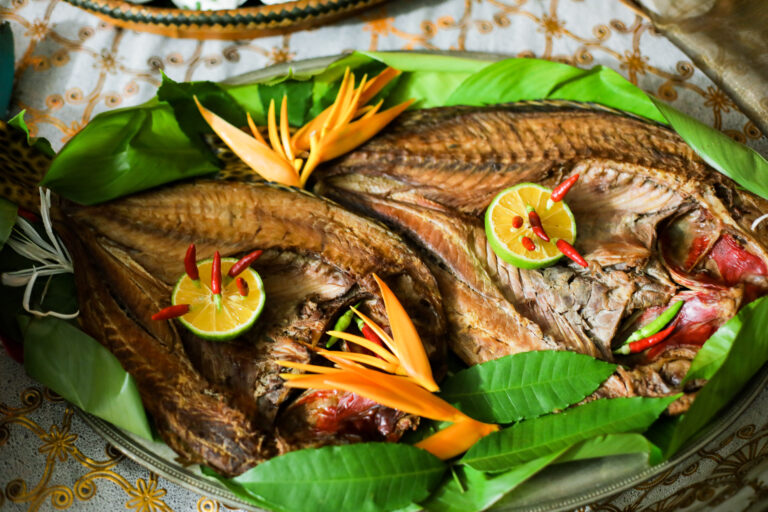
Of course, no cultural immersion is complete without sampling the local cuisine. I had the opportunity to savor traditional Palauan dishes such as Tinola (fish soup), a comforting and flavorful broth infused with local herbs and spices, and Ulok (fermented cassava), a staple food with a slightly tangy taste. I was able to find some soursop at a local market, and it was a delightful burst of sweet and sour flavor, with a creamy texture that was absolutely unforgettable.
It is important to note that some traditional Palauan dishes, such as fruit bat soup, raise sustainability concerns. While acknowledging its cultural significance, it's crucial to consider the potential impact on bat populations and explore sustainable alternatives. Promoting responsible consumption and supporting local initiatives that prioritize conservation are essential.
Confronting Environmental Challenges: Protecting Palau's Future
Palau's commitment to conservation is commendable, but the nation still faces significant environmental challenges. Coral bleaching, driven by rising ocean temperatures, poses a serious threat to its vibrant reefs. Plastic pollution, carried in by ocean currents, contaminates its shores and endangers marine life. The impacts of climate change are felt acutely in this low-lying island nation.
Palau is actively combating these challenges through a range of initiatives. Marine protected areas (MPAs) safeguard critical habitats and allow fish populations to recover. Sustainable tourism initiatives promote responsible practices and minimize the environmental impact of visitors. Community-based conservation programs empower local communities to protect their natural resources. The country continues to lead through innovative conservation strategies, such as the Palau National Marine Sanctuary, which protects 80% of its maritime territory.
A Call to Action: Visit Palau Responsibly
My journey to Palau was an unforgettable experience, a testament to the power of conservation and the beauty of our planet's marine ecosystems. As environmentally conscious travelers, we have a responsibility to support Palau's efforts to protect its natural heritage.
When planning your visit, choose eco-friendly tour operators who prioritize sustainability and respect local customs. Minimize your environmental impact by reducing your plastic consumption, using reef-safe sunscreen, and avoiding touching or disturbing marine life. Support local businesses and initiatives that promote conservation. By traveling responsibly, we can help ensure that future generations can experience the wonders of Palau. Consider Palau sustainable diving trips when planning your visit.
To further enhance this blog post, vistalocation.com could include:
- Underwater shots of divers with manta rays at German Channel.
- Wide-angle images of the Rock Islands from above.
- Close-ups of vibrant coral formations.
- Photos of traditional Palauan food.
- Portraits of local conservationists.
- Drone footage showcasing the scale and beauty of the Rock Islands.
- Time-lapse videos demonstrating the changing tides and marine life activity in Palau's reefs.
Let us all be stewards of the ocean, protecting its precious resources for the benefit of all. Consider volunteering during your trip to Palau.