Diving into History and Culture: A Solomon Islan...
The air hung thick and heavy as I stepped off the plane in Honiara, Guadalcanal. A wall of humidity, fragrant with the scent of frangipani and damp earth, enveloped me. Lush rainforests climbed the hillsides, a vibrant green canvas scarred by the ghosts of a brutal past. The Solomon Islands, a nation etched in the annals of World War II, promised an adventure unlike any other. My heart thrummed with anticipation, eager to explore the legendary dive sites of Bloody Bay Passage and delve into the cultural heart of Roviana Lagoon. I was ready to dive into the history, culture, and underwater wonders of this remarkable archipelago. I had read everything about Honiara Solomon Islands travel guide before I left.
A Symphony of Shells and Panpipes: The Bina Harbour Cultural Festival
My journey began with an immersion into the vibrant culture of the islands at the Bina Harbour Cultural Festival. The air crackled with energy as I approached the festival grounds, drawn in by the hypnotic melody of panpipe music. This was no ordinary concert; it was a living tapestry of tradition.
Rows of intricately crafted shell money, known locally as tafuliae, were displayed. These beautiful, hand-crafted items are not mere trinkets. They are a traditional form of currency and a powerful symbol of status in the Solomon Islands, representing wealth, prestige, and even playing a crucial role in important ceremonies like weddings and funerals. Skilled artisans meticulously string together tiny, polished shells, creating elaborate designs that tell stories of heritage and identity. I learned about the deep cultural significance, a living link to the past.
The panpipe music was the true showstopper. Groups of musicians, their faces etched with concentration, played complex harmonies on bamboo pipes of varying lengths. The sound was mesmerizing, a blend of earthy tones and ethereal melodies that seemed to vibrate through my very being. I could feel the history in the music, the echoes of generations past woven into each note. It was easy to understand why so many consider the festival a highlight when considering Solomon Islands cultural festival Bina Harbour travel.
Tasting the Islands: A Culinary Journey
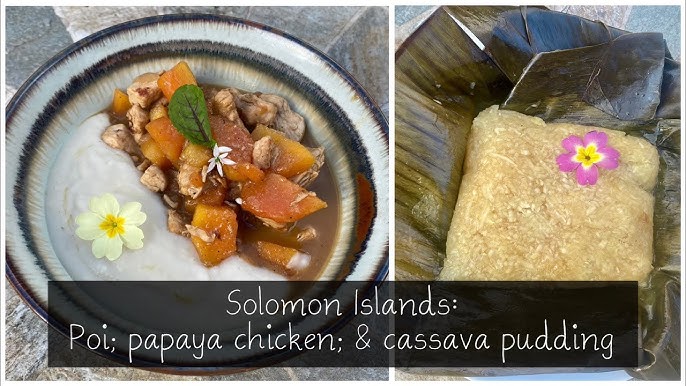
The Solomon Islands offered a feast for the senses, not just visually and aurally, but also gastronomically. I eagerly embraced the opportunity to sample authentic Melanesian food, with poi poi and laplap taking center stage. What is Melanesian food like? It is an exploration of simple, fresh ingredients prepared with time-honored techniques.
Poi poi is a staple dish made from pounded taro root. The process is labor-intensive, requiring hours of pounding the cooked taro with a stone pestle until it reaches a smooth, starchy consistency. The resulting paste is surprisingly bland on its own, but it serves as a perfect canvas for other flavors. It is the ultimate comfort food, and a must-try when considering Melanesian food tour Honiara Solomon Islands.
Laplap was even more intriguing. This dish consists of grated root vegetables (like yam or cassava), mixed with coconut milk, and often pieces of meat or fish. The mixture is then carefully wrapped in banana leaves and cooked in an earth oven, known as a motu. The slow cooking process infuses the laplap with a smoky, earthy flavor that is simply divine. The unique taste and texture of each dish stayed with me long after I left the table.
Diving with Ghosts: Exploring Bloody Bay Passage
The true highlight of my trip was diving at Bloody Bay Passage, a site steeped in both natural beauty and historical significance. This is a top answer to "Where can I see WWII shipwrecks in the Solomon Islands?"
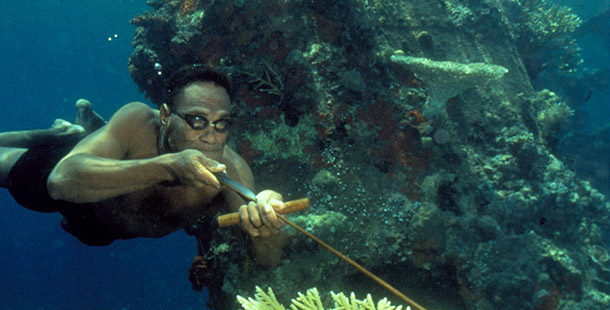
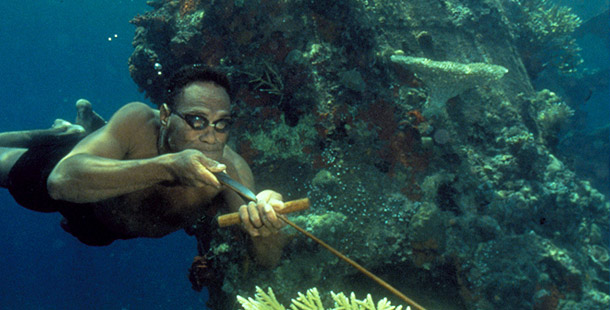
As I descended into the turquoise water, the visibility was astounding. I felt like I was floating in liquid crystal. The anticipation mounted as the ghostly silhouette of a sunken Japanese battleship began to materialize from the depths. This was the Amagiri battleship video, a place where underwater wonder meets wartime history.
The Amagiri lies on the seabed, a victim of the intense naval battles that raged in these waters during World War II. Schools of barracuda patrolled the wreckage, their silver bodies flashing in the sunlight. Colorful reef fish darted in and out of the coral encrustations that now adorned the rusted hull. Sea turtles glided gracefully past, seemingly oblivious to the metal behemoth beneath them. What marine life can you see diving in Bloody Bay Passage? A plethora of life, big and small.
Exploring the wreckage was an eerie and humbling experience. The rusted metal, the gaping holes, the encrusted cannons - all spoke of the violent conflict that had unfolded here. I could almost hear the echoes of the past, the shouts of the sailors, the roar of the guns. It was a stark reminder of the human cost of war. Diving Bloody Bay Passage visibility conditions can vary, but on this day, I was fortunate enough to have crystal-clear waters.
This experience connects directly to "Solomon Islands WWII history" because it is a tangible reminder of the Battle of Guadalcanal. It's essential to remember and respect the history surrounding these wrecks. It is a somber, yet truly beautiful dive.
Snorkeling at Skull Island and Exploring Mataniko Falls
Beyond the wrecks, the Solomon Islands teem with natural wonders. A trip to Skull Island offered incredible snorkeling opportunities. The vibrant coral reefs were teeming with life, a kaleidoscope of color and movement. Schools of fish swam around me, unafraid, as I explored the underwater gardens. Why is Skull Island called Skull Island Solomon Islands? The name is less frightening than it sounds, likely derived from a local legend.
Venturing inland, I explored the Mataniko Falls cave system. The sound of the waterfall echoed within the cave, creating a truly immersive experience. The unique rock formations, sculpted by centuries of water erosion, were a sight to behold. It felt like stepping into another world, a hidden realm of adventure. A Mataniko Falls guided tour Solomon Islands is highly recommended, as navigating the cave system alone can be dangerous.
Eco-Tourism and Turtle Conservation on Tetepare Island
My final stop was Tetepare Island, a haven of eco-tourism and conservation. I stayed at a charming eco-lodge, committed to sustainable practices and supporting the local community. The lodge actively participates in turtle conservation programs, protecting the island's nesting sea turtles. What are the best eco-lodges in the Solomon Islands? The eco lodge on Tetepare Island sustainable tourism practices create an environment of harmony.
I had the incredible opportunity to observe nesting sea turtles on the beach at night. Witnessing these ancient creatures emerge from the ocean to lay their eggs was a truly humbling experience. It reinforced the importance of responsible tourism and supporting local initiatives that protect the Solomon Islands' natural environment.
Please consider donating to the Tetepare Descendants' Association to support their critical conservation efforts: https://www.tetepare.org/ Your contribution, no matter how small, can make a real difference in protecting this precious ecosystem.
A Farewell to Paradise
My journey to the Solomon Islands was an unforgettable tapestry of history, culture, and natural beauty. From the mesmerizing rhythms of the Bina Harbour Cultural Festival to the poignant depths of Bloody Bay Passage, every moment was filled with wonder and discovery. The Solomon Islands offer a unique blend of experiences, a chance to connect with both the past and the present, and to contribute to a sustainable future. Diving Bloody Bay Passage and experiencing Tetepare Island were defining moments.
If you're seeking an adventure that combines history, culture, and breathtaking natural beauty, consider the Solomon Islands for your next travel destination. By embracing responsible tourism and supporting local communities, you can help preserve this precious corner of the world for generations to come. I encourage you to begin by researching Solomon Islands responsible travel guide information, and plan your trip carefully.