Diving Deep into Raja Ampat: A Paradise of Biodi...
Raja Ampat, Indonesia. The name itself conjures images of pristine turquoise waters, verdant islands, and a world teeming with life beneath the surface. But Raja Ampat is more than just a pretty picture; it's a living, breathing ecosystem unlike any other, a place where the vibrancy of nature intertwines with the rich traditions of the local Papuan people. My recent diving trip there was an experience that transcended the typical vacation, leaving me humbled by the sheer abundance of life and deeply moved by the warmth and resilience of the Papuan community. It’s a reminder that sustainable tourism is not just a buzzword, but a crucial responsibility to protect this fragile paradise for generations to come.
Cape Kri: A Kaleidoscope of Fish
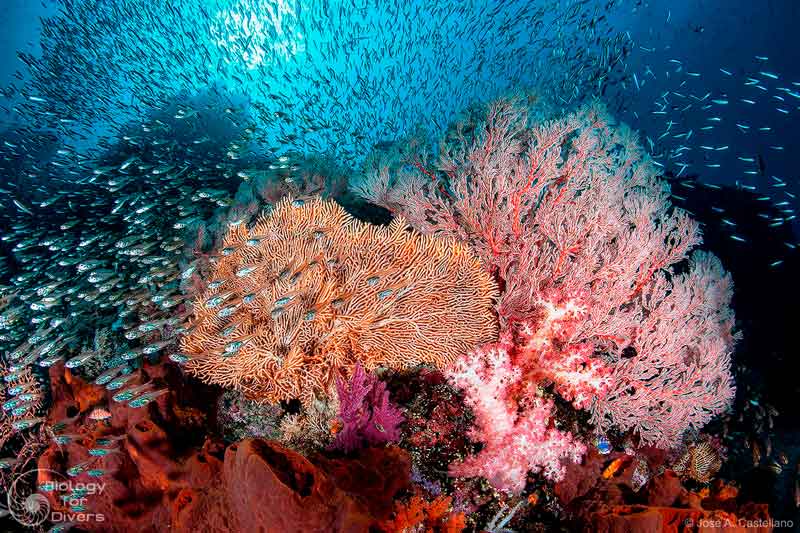
Cape Kri. Even the name resonates with anticipation among divers. And rightly so. Descending into the crystal-clear waters, I was immediately engulfed in a swirling vortex of life. It was like plunging into an aquarium, but amplified a thousandfold. The sheer fish biomass was staggering. Schools of barracuda, shimmering silver in the sunlight, patrolled the reef like seasoned veterans. Reef sharks, sleek and graceful, cruised by, adding an element of thrilling curiosity to the experience. Every inch of the reef pulsed with activity – colorful anthias darting between coral branches, parrotfish munching contentedly, and countless other species contributing to the symphony of life. Visibility was exceptional, allowing me to fully appreciate the intricate details of this underwater metropolis. Diving here felt like a privilege, a glimpse into a world untouched by the ravages of modern life. This site definitely lives up to its title as the site where Dr. Allen recorded over 374 different species of fish on a single dive, solidifying Raja Ampat as the world's most biodiverse marine environment.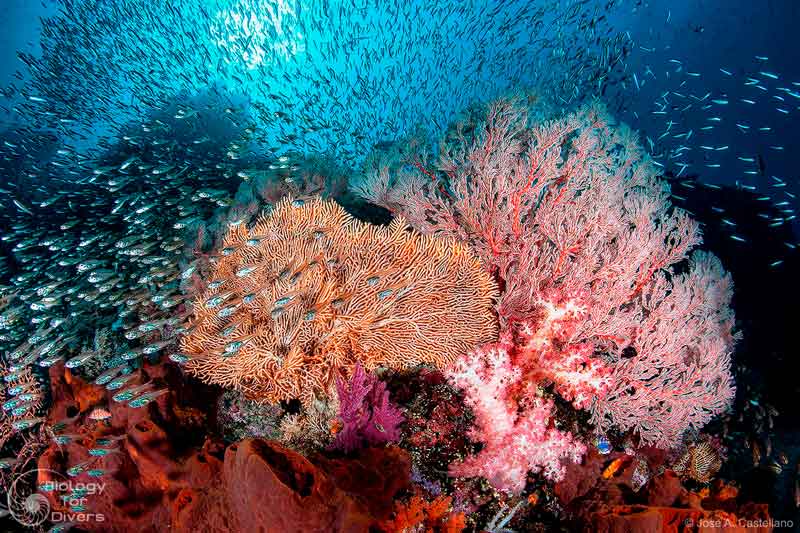
A diver marvels at the abundant fish life at Cape Kri, Raja Ampat, a renowned site for its incredible marine biodiversity.
Blue Magic: An Encounter with Gentle Giants
If Cape Kri was a vibrant explosion of color and activity, Blue Magic offered a different kind of magic altogether: the awe-inspiring presence of manta rays. This site is known as a manta ray cleaning station, a place where these gentle giants congregate to have parasites removed by smaller fish. As I descended, I could see them circling in the distance, their massive wings casting shadows on the reef below. Getting closer, I was mesmerized by their grace and elegance. These creatures, with wingspans of up to 18 feet, moved effortlessly through the water, their movements both powerful and serene. The cleaning station itself was a hive of activity, with wrasse and other small fish diligently tending to the mantas, removing parasites and dead skin. It was an extraordinary display of symbiosis, a reminder of the intricate connections that bind life in Raja Ampat together. The experience was humbling, leaving me with a profound respect for these magnificent creatures. The location and timing of these dives required expert knowledge, and I am glad I sought out a well respected, local guide to enhance my experience.
Immersing Myself in Papuan Culture
Beyond the underwater wonders, Raja Ampat also offers a unique opportunity to connect with the local Papuan culture. I was fortunate enough to visit a small village, where I was welcomed with open arms. The traditional houses, built on stilts, were a testament to the Papuans' ingenuity and connection to the sea. The villagers were incredibly warm and welcoming, eager to share their stories and traditions. I learned about their traditional way of life, deeply intertwined with the ocean. Fishing is not just a source of sustenance, but a cultural practice, passed down through generations. They have an intricate understanding of the marine environment, knowing when and where to fish sustainably. Visiting the village was a humbling experience, a reminder that the true treasures of Raja Ampat lie not just beneath the waves, but also in the hearts and minds of its people. It's so important to remember when visiting these villages that you are entering someone's home, so acting with respect and humility is essential to having a positive, and educational, experience.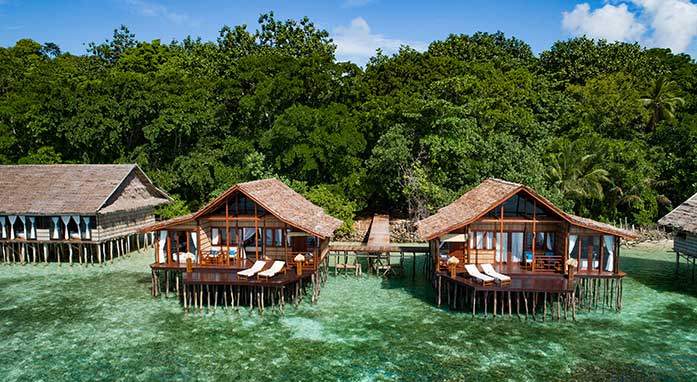
Traditional Papuan houses on stilts in a village in Raja Ampat, showcasing the local culture and connection to the sea.
A Taste of Raja Ampat: Papeda and Fresh Fish
Food is an integral part of any cultural experience, and Raja Ampat was no exception. One of the most unique dishes I tried was Papeda, a sago porridge that's a staple in the Papuan diet. Its texture is quite unusual – sticky and gelatinous – and it's traditionally eaten with fish soup. It's definitely an acquired taste, but it offers a fascinating glimpse into the local culinary traditions.
Equally memorable was the fresh grilled fish I enjoyed directly from a local vendor. The snapper was cooked to perfection, its flesh flaky and flavorful. The sambal, a spicy chili sauce, added a fiery kick that perfectly complemented the sweetness of the fish. The vendor used local spices and it was the perfect combination. Eating at a family-run restaurant was another highlight. The atmosphere was warm and inviting, and the hospitality was exceptional. It's these small, authentic experiences that truly enrich a travel experience.
Where to try Papeda in Raja Ampat
Papeda can be found in most local restaurants in Raja Ampat, but it's often best to ask your guesthouse or homestay owner for recommendations on the most authentic places to try it.
Landscape: A Panorama of Limestone Karsts
The landscape of Raja Ampat is as breathtaking as its underwater world. The iconic limestone karsts, sculpted by millennia of erosion, dominate the horizon, creating a surreal and otherworldly landscape. The view from Piaynemo is simply unforgettable. From the hilltop viewpoint, I gazed out at a panoramic vista of turquoise waters dotted with countless islands. It was a scene of unparalleled beauty, a reminder of the raw power and artistry of nature.
Piaynemo Viewpoint Entrance Fee Raja Ampat
The entrance fee to the Piaynemo viewpoint is typically around 100,000-200,000 IDR (approximately $7-$14 USD) per person.
Wayag, with its dramatic, maze-like archipelago, was equally awe-inspiring. Navigating through the narrow channels between the islands, I felt a sense of wonder and remoteness, as if I had stumbled upon a hidden world. The towering limestone cliffs, shrouded in lush vegetation, created a sense of both grandeur and intimacy.
Wayag archipelago boat tour from Sorong
Boat tours to Wayag typically depart from Sorong and can range from day trips to multi-day excursions. Be sure to book with a reputable operator who prioritizes safety and environmental responsibility.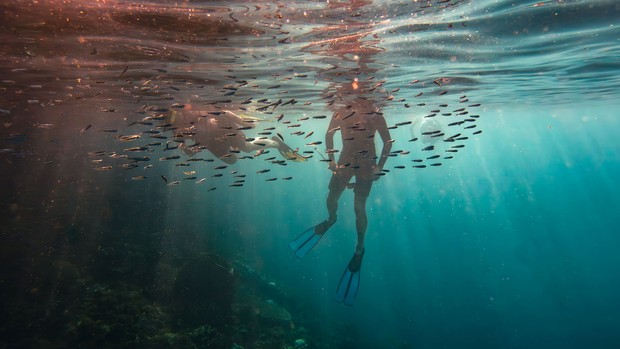
The dramatic, maze-like archipelago of Wayag in Raja Ampat, showcasing the region's unique limestone karst landscape.
Sustainable Tourism: Protecting Paradise
The beauty of Raja Ampat is undeniable, but its fragility is also apparent. The coral reefs, the lifeblood of this ecosystem, are vulnerable to climate change, pollution, and unsustainable tourism practices. It's crucial that we all play our part in protecting this paradise.
The Misool Foundation is doing incredible work in Raja Ampat, creating marine protected areas and working with local communities to promote sustainable practices. Their efforts have had a significant impact on preserving the coral reefs and protecting the marine life. Many local dive operators are also committed to minimizing their environmental impact. They use mooring buoys to prevent anchor damage, practice responsible waste management, and educate their guests about responsible diving practices.
Raja Ampat Reef Safe Sunscreen
Using reef-safe sunscreen is absolutely essential in Raja Ampat to protect the delicate coral reefs from harmful chemicals found in conventional sunscreens.
Look for dive operators that are Green Fins certified. This certification ensures that they are adhering to environmentally responsible practices. You can find a list of certified operators on the Green Fins website: [www.greenfins.io]. Remember to use reef-safe sunscreen and avoid single-use plastics. Small changes in our behavior can make a big difference.
Green Fins Raja Ampat Dive Operators
Choosing Green Fins certified dive operators in Raja Ampat helps to support businesses committed to minimizing their environmental impact and promoting sustainable tourism practices.
Your Trip Can Make a Difference
Raja Ampat is a truly special place, a paradise of biodiversity and cultural richness. But its future depends on our collective efforts to protect it. Book your Raja Ampat trip through a Green Fins certified dive operator, donate to the Misool Foundation [www.misool.info], and remember to pack reef-safe sunscreen and reusable water bottles. Your choices can make a difference. Let's work together to ensure that this incredible destination remains a treasure for generations to come.