
Diving Deep into Hope: Espiritu Santo's Underwat...
As a marine biologist, I've witnessed firsthand the devastating impacts of climate change on coral reefs worldwide. But recently, I returned from Espiritu Santo, Vanuatu, with a renewed sense of cautious optimism. Descending into the crystal-clear waters surrounding the SS President Coolidge, I was immediately struck by the sheer abundance of marine life thriving on its coral-encrusted structure – a vibrant testament to nature’s resilience. My trip revealed that Espiritu Santo sustainable tourism is possible, showing us how to enjoy breathtaking destinations while actively contributing to their preservation. This post will dive into the incredible underwater world of Espiritu Santo, explore the unique ecosystems it protects, and provide insights into how you can visit responsibly.
Diving the SS President Coolidge: A Wreck Diver's Paradise
The SS President Coolidge is more than just a wreck; it's a living, breathing ecosystem teeming with life. My dive began with a breathtaking view of the ship's bridge, a hauntingly beautiful silhouette against the shimmering blue. Schools of silver baitfish darted past, creating a dazzling spectacle that set the tone for the rest of the dive. For an unforgettable experience exploring this historical site, I highly recommend seeking out the most experienced operator: Allan Power Dive Tours (+678 774 0947). They offer expertly guided dives that cater to various skill levels.
Exploring the SS President Coolidge Coral Growth is truly astounding. We navigated through cavernous cargo holds containing relics of the past: Jeeps, cannons, and personal effects frozen in time. Diving at depths ranging from 20 to 70 meters presents challenges, requiring careful planning and adherence to safety protocols. Divers need to be aware of decompression limits and nitrogen narcosis.
Underwater photography around the wreck is exceptional. I focused on capturing the vibrant coral growth on the gun emplacements, and was lucky enough to capture a nudibranch feeding on algae.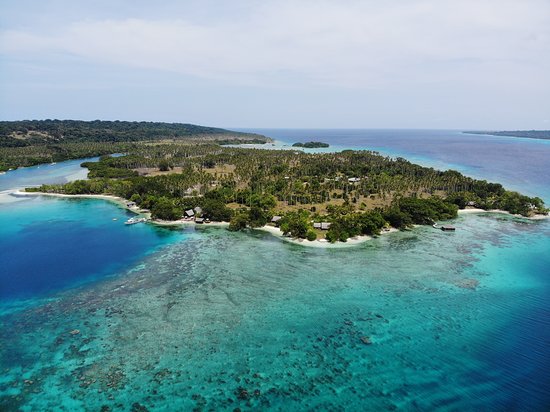
The SS President Coolidge is now home to an incredible diversity of marine life. Moray eels peeked out from crevices, while larger pelagic species patrolled the wreck’s perimeter. Giant groupers, barracuda, and even the occasional shark can be spotted.
It’s crucial to remember the wreck’s historical significance and its role as a memorial. Divers should practice respectful diving, avoiding contact with the wreck and refraining from removing any artifacts.
Blue Hole Bliss: Nanda vs. Matevulu
Espiritu Santo boasts several stunning blue holes, each offering a unique experience. Nanda Blue Hole Vanuatu is a family-friendly oasis with crystal-clear waters, picnic tables, and rope swings. There's a small entrance fee to help maintain the area.
Matevulu Blue Hole, on the other hand, offers a more pristine and secluded experience. The vibrant colors of the freshwater fish found there are mesmerizing, and swimming in its depths is an exercise in pure serenity. The lush jungle surrounding the blue hole reflects beautifully in the water.
Hiking to Mount Hope Waterfall: A Coconut Crab Quest
The hike to Mount Hope Waterfall is an adventure in itself. Along the way, you have the opportunity to spot the shy and elusive Coconut Crab (Birgus latro). These fascinating creatures are the world's largest terrestrial arthropods. To increase your chances of seeing one, and to ensure you do so responsibly, hire a local guide.
Local guides possess invaluable traditional knowledge of the area and can help you find these elusive creatures without disturbing their habitat. Remember to observe them from a distance and avoid touching or feeding them. Their populations are vulnerable, and sustainable viewing habits are crucial for their survival.
Immersing in Kastom: Storytelling Through Wood Carving
Visiting a Kastom village offers a unique glimpse into Vanuatu's rich cultural heritage and is a great way to practice ethical travel Vanuatu. In these villages, traditions are passed down through generations, and storytelling plays a central role. One powerful form of storytelling is through wood carving. The carvings often depict ancestral voyages using traditional outrigger canoes, preserving the history and legends of the community.
When purchasing crafts, it's essential to consider the ethical implications and ensure fair trade practices. Choose artisans who receive a fair income for their work, directly supporting their livelihoods and preserving their cultural traditions.
Ratua Private Island: Luxury Meets Sustainability
Ratua Private Island Sustainability offers a unique model for eco-tourism, blending luxury with a commitment to environmental responsibility. The eco-lodge is thoughtfully designed to minimize its impact on the environment.
However, achieving true sustainability on a remote island presents challenges. Balancing luxury with sustainable practices requires careful consideration of factors such as the reliance on imported goods versus local sourcing, and the need for meticulous waste management. While Ratua strives to minimize its footprint, guests can also play a role in supporting their efforts. Choosing local experiences and respecting the island's natural environment are simple yet effective ways to contribute. It is also worth noting the importance of reef-safe sunscreen Vanuatu. Brands such as "ThinkSport" or "Raw Elements" are readily available here, helping to protect the coral reefs.
Reef Resilience and Hope for the Future
My time in Espiritu Santo left me cautiously optimistic about the future of its coral reefs. I observed signs of coral recovery and adaptation, suggesting that these ecosystems possess a remarkable capacity to bounce back, in some areas. However, the ongoing threats of climate change and human activities remain a serious concern.
We all have a role to play in supporting conservation efforts. Here are some concrete actions you can take:
- Visit responsibly: Choose sustainable accommodation and tour operators who prioritize environmental protection.
- Support local communities: Purchase locally made products and services, ensuring that your tourism dollars directly benefit the people of Vanuatu.
- Donate to the Vanuatu Environmental Science Society (VESS): VESS is dedicated to protecting Vanuatu's natural environment through research, education, and conservation initiatives. Consider donating:
- $50 to plant a mangrove seedling.
- $100 to support coral reef monitoring.
The future of Espiritu Santo's underwater wonders depends on our collective efforts. By embracing responsible tourism and supporting local conservation initiatives, we can help ensure that these vibrant ecosystems continue to thrive for generations to come.