Diving Deep into Ethics: My Stay at The Muraka,...
The Maldives, a breathtaking tapestry of azure waters and vibrant coral reefs, has always been a dream destination for me. As a professional freediver and underwater photographer, (@KaiAdventures) I'm constantly seeking unique ocean experiences and advocating for marine life conservation. My recent stay at The Muraka, the Conrad Maldives Rangali Island’s iconic underwater hotel, presented a fascinating opportunity to explore the intersection of luxury travel and ocean ethics. The question at the heart of my adventure: Can such extravagant underwater accommodations coexist responsibly with the delicate marine ecosystem they inhabit? Join me as I dive deep into the ethical implications of this underwater hotel, balancing the allure of its unique experience with my commitment to ocean conservation.
An Underwater Marvel: The Muraka Experience
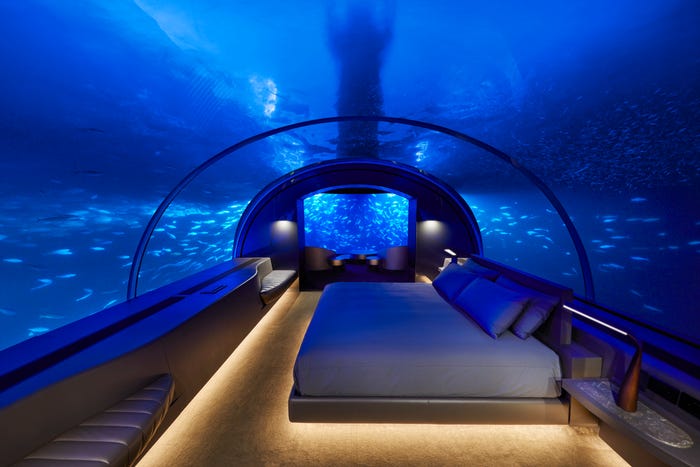
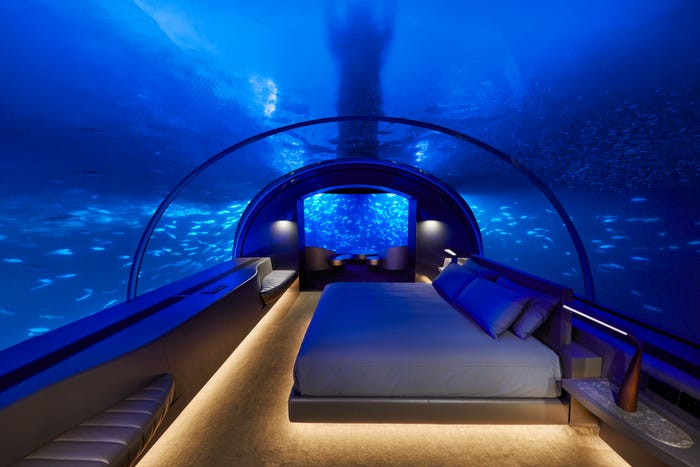
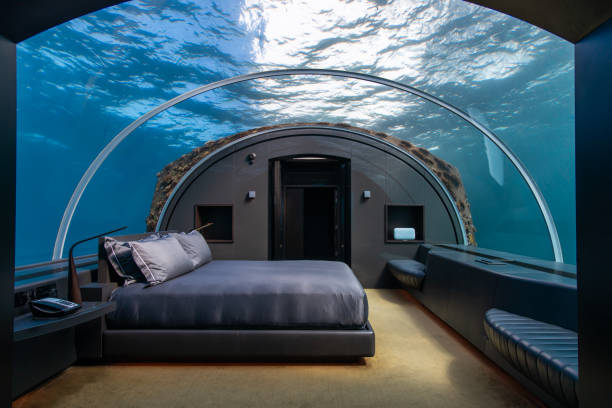
The Muraka is truly an architectural marvel. Descending into the depths, the panoramic ocean views from the acrylic dome are simply breathtaking. The underwater bedroom offers an unparalleled perspective on the bustling marine life – manta rays gracefully gliding overhead, curious reef sharks patrolling the waters, and vibrant schools of fish darting amongst the coral. Waking up to this underwater symphony was surreal, a feeling of complete immersion in the ocean’s embrace. The experience is undoubtedly luxurious, with personalized service and amenities catering to every need. This luxury eco-tourism destination certainly provides an experience unlike any other.
The Environmental Impact: A Critical Look
However, the beauty of The Muraka is juxtaposed with the inevitable question of its environmental impact.
Noise Pollution During Construction
The construction of an underwater structure like The Muraka involves significant noise pollution, which can disrupt marine life behavior. Sonar and pile driving can disorient marine animals, interfere with their communication, and even cause physical harm.
Artificial Lighting and Marine Life
The artificial lighting emanating from the suite, particularly at night, can also affect marine life behavior. Studies have shown that artificial light can disrupt the natural circadian rhythms of marine organisms, impacting their feeding patterns, reproduction, and migration.
Physical Footprint and Habitat Disturbance
The physical footprint of the structure itself inevitably disturbs the surrounding habitat. The seabed is altered, and coral reefs may be damaged during the construction process. Even with careful planning, minimizing the impact is a significant challenge. The very foundations of these underwater structures pose an impact.
Sustainable Practices: A Glimmer of Hope?
I was keen to investigate the Conrad Maldives Rangali Island's efforts to mitigate these environmental impacts. I wanted to find out if they were practicing sustainable tourism.
Waste Management and Energy Efficiency
The resort does implement several sustainable practices, including waste management programs aimed at reducing landfill waste and increasing recycling efforts. They also employ energy-efficient technologies, such as solar panels and LED lighting, to minimize their carbon footprint.
Coral Reef Conservation Efforts
Perhaps the most encouraging aspect was the resort's involvement in coral reef conservation efforts. They actively participate in coral propagation and reef restoration projects, working to rehabilitate damaged reefs and promote coral growth. This is a necessary step in mitigating the impact of tourism on these delicate ecosystems.
The Ethical Dilemma: Luxury vs. Conservation
The core question remains: Does the experience of staying in The Muraka justify the potential environmental trade-offs? How does it compare to eco-friendly accommodations or dive trips that directly support marine conservation?
A Unique Experience vs. Eco-Conscious Alternatives
While The Muraka offers an unparalleled experience, more eco-conscious alternatives exist. Choosing smaller, locally-owned guesthouses or resorts committed to sustainable practices can significantly reduce your environmental footprint. Opting for dive trips that support local conservation initiatives directly contributes to the protection of marine ecosystems. Consider the difference between the environmental impact underwater structures cause, and the positive benefits of eco-friendly accomodations.
Is the Luxury Worth the Cost?
Ultimately, the decision rests on individual values. Is the unparalleled luxury of an underwater suite worth the potential environmental cost? For me, a freediver and conservationist, the answer is complex. While the experience was undeniably remarkable, I believe it's crucial to prioritize sustainable options whenever possible.
Education and Conservation: Offsetting the Impact
Does The Muraka offer educational opportunities or support local conservation initiatives to offset its environmental impact and promote responsible tourism? I was pleased to find that they do engage in certain initiatives.
Supporting Local Conservation Initiatives
The resort partners with local organizations to support marine conservation projects. They also offer educational programs for guests, raising awareness about the importance of protecting the Maldives' underwater ecosystem.
Educational Opportunities for Guests
These initiatives, while commendable, need to be expanded. Providing more in-depth educational opportunities and actively involving guests in conservation efforts would significantly enhance the resort's commitment to responsible tourism.
Underwater Photography and Videography: Capturing Beauty Responsibly
As an underwater photographer, I'm always mindful of minimizing my impact on the marine environment. Here are a few tips for capturing the beauty of the underwater world responsibly:
Minimize Disturbance to Marine Life
Maintain a safe distance from marine animals, avoid touching or harassing them, and never use flash photography, which can disrupt their behavior.
Practice Buoyancy Control
Good buoyancy control is essential to avoid damaging coral reefs and disturbing the seabed. Practice your skills in a pool before venturing into the ocean.
Use Reef-Safe Sunscreen
Choose reef-safe sunscreen to protect coral reefs from harmful chemicals.
The goal is to capture stunning images and videos while minimizing your footprint and respecting the delicate balance of the marine ecosystem. These responsible habits are critical for freediving Maldives marine life.
Final Recommendation: A Balanced Perspective
The Muraka offers an extraordinary experience, a glimpse into an underwater world that few have the opportunity to witness. However, the ethical considerations surrounding its environmental impact cannot be ignored.
Weighing the Unique Experience Against Ethical Considerations
While the resort has implemented some sustainable practices and supports local conservation initiatives, more needs to be done to fully offset its impact.
Supporting Eco-Conscious Resorts and Conservation Efforts
My recommendation is to approach luxury travel with a critical eye. Consider your impact, choose eco-conscious resorts whenever possible, and actively support conservation efforts. By making informed choices, we can contribute to the protection of our oceans and ensure that future generations can enjoy the beauty of the underwater world. Remember, there are ethical concerns about underwater hotels.
Ultimately, a stay at The Muraka is a powerful reminder of the beauty and fragility of our oceans. Let's use this awareness to drive positive change and promote responsible tourism that protects these precious ecosystems. Interested in exploring more of the Maldives responsibly? Check out Vistalocation.com's guide to sustainable diving practices near The Muraka!