Diving Deep into Eco-Luxury: My Research Stay at...
As a marine biologist specializing in coral reef conservation, I've dedicated my life to understanding and protecting these vibrant ecosystems. With a PhD from Scripps and over 15 years of experience, I've seen firsthand the devastating impact of climate change and unsustainable practices on our oceans. So, when the opportunity arose to spend ten days at The Brando, a luxury resort on the private island of Tetiaroa in French Polynesia, researching their environmental sustainability initiatives and documenting the surrounding coral reefs, I jumped at the chance. My goal? To uncover whether true eco-luxury travel French Polynesia is truly achievable. Could a high-end resort genuinely commit to sustainable tourism French Polynesia and contribute to marine conservation Tetiaroa and coral reef restoration? Join me as I share my findings from this unforgettable experience.
The Brando's Groundbreaking Environmental Initiatives
The Brando doesn't just talk the talk; it walks the walk when it comes to sustainability. From the moment I arrived, I was immersed in a world where luxury seamlessly blends with environmental responsibility. The resort's commitment to minimizing its environmental impact is truly impressive, starting with its innovative energy and cooling systems.
SEAWATER AIR CONDITIONING (SWAC): A Cool Solution
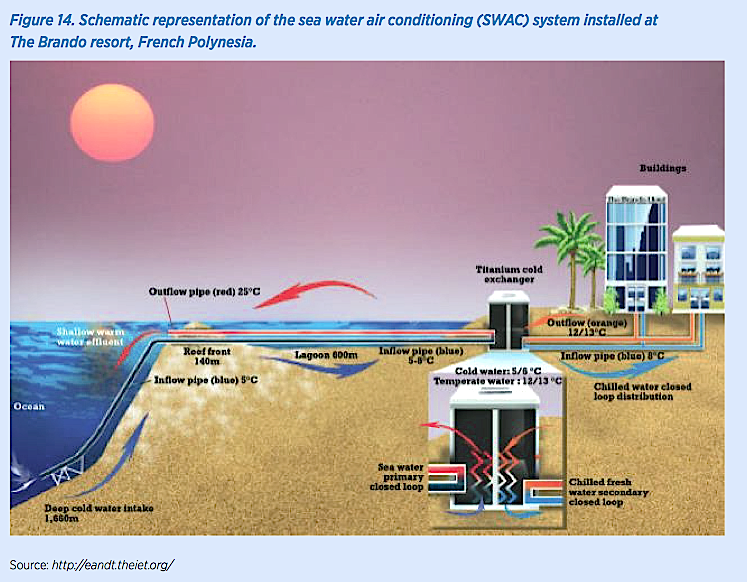
One of the most remarkable aspects of The Brando is its Seawater Air Conditioning (SWAC) system. This groundbreaking technology harnesses the consistently cool temperatures of the deep ocean to provide air conditioning for the entire resort. Here's how it works: seawater is pumped from a depth of 3,000 feet, where the temperature hovers around 4°C (39°F). This cold water is then used to cool freshwater in a heat exchanger. The chilled freshwater circulates through the resort, providing air conditioning without the need for traditional, energy-intensive refrigerants. The warmed seawater is then discharged back into the ocean at a shallower depth, minimizing any thermal impact on the surrounding marine environment. This system significantly reduces the resort's carbon footprint, consuming far less energy than conventional air conditioning systems.
Coconut Oil Biofuel Power Plant: Fueling Sustainability
The Brando's commitment to renewable energy extends beyond cooling. The resort operates a coconut oil biofuel power plant that provides a significant portion of its electricity. The coconut oil is sourced locally, supporting the local economy and reducing the need to import fossil fuels. While the plant doesn't meet 100% of the resort's energy needs, it significantly reduces its reliance on traditional energy sources. The energy output varies depending on the season and demand, but the goal is to maximize the use of biofuel while ensuring a reliable power supply. It's a fascinating example of how a remote island resort can leverage local resources to achieve greater energy independence and environmental sustainability. The goal for The Brando is to eliminate the need for fossil fuels by 2030.
Coral Reef Restoration: Rebuilding Paradise
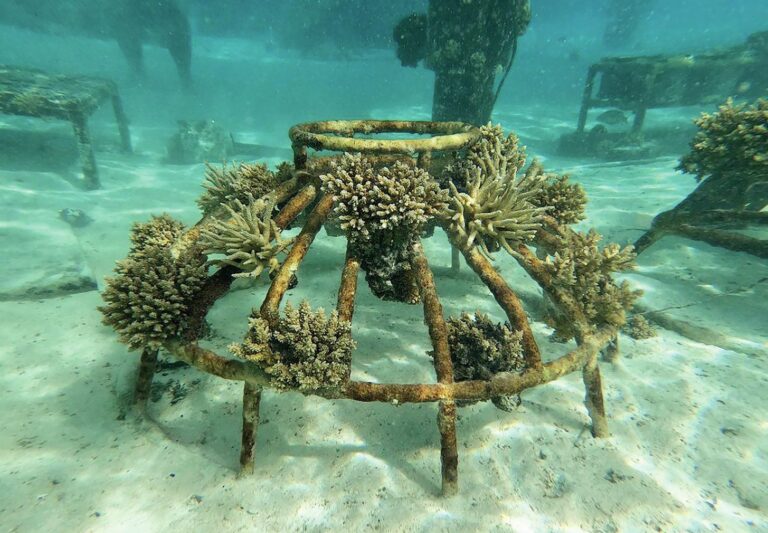
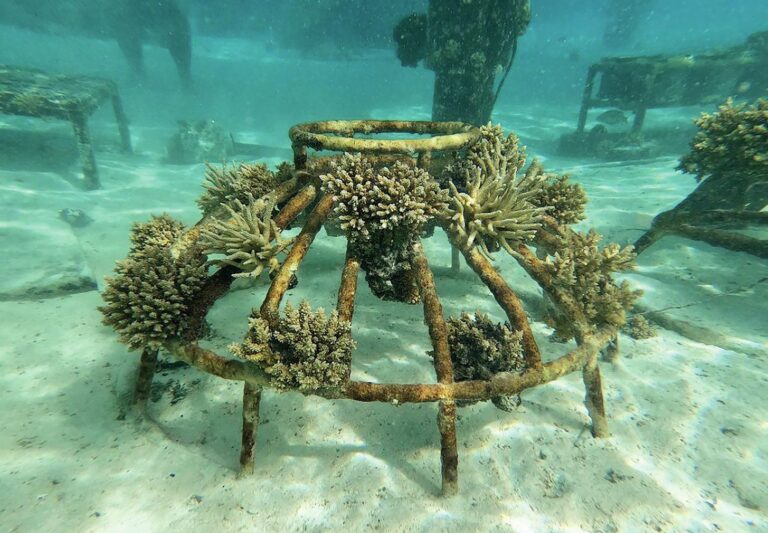
As a coral reef specialist, I was particularly interested in The Brando's coral reef restoration projects. The resort partners with the Tetiaroa Society to actively cultivate and restore damaged coral reefs around the atoll. The project focuses on several species, including Acropora and Porites corals, known for their rapid growth and resilience.
The restoration process involves "coral gardening." Fragments of healthy coral are collected, carefully propagated in a nursery, and then transplanted onto artificial reef structures or directly onto degraded reef areas. These structures provide a stable base for the coral fragments to attach and grow, accelerating the natural reef recovery process.
During my stay, I had the incredible opportunity to participate in a coral gardening workshop with Tetiaroa Society researchers. I learned about the science behind the project, from selecting suitable coral fragments to monitoring their growth and health after transplantation. I planted a fragment of Acropora cervicornis, also known as staghorn coral, a species that has been severely impacted by climate change and disease. The researchers explained that Acropora corals can grow relatively quickly, with an estimated growth rate of 5-10 cm per year under optimal conditions. It was an incredibly rewarding experience, knowing that I was contributing to the restoration of this vital ecosystem.
Partnership with the Tetiaroa Society: Science in Action
The Brando's commitment to sustainability goes beyond its own operations. The resort actively supports the Tetiaroa Society, a non-profit organization dedicated to the scientific research and conservation of Tetiaroa. The Tetiaroa Society conducts a wide range of research projects on the island, including monitoring fish populations, studying the effects of ocean acidification on coral reefs, and assessing the impact of climate change on the atoll's biodiversity. The data collected by the Tetiaroa Society informs the resort's sustainability initiatives and helps to guide conservation efforts both locally and globally.
Diving and Photographing the Coral Reefs of Tetiaroa
As an avid underwater photographer, I couldn't wait to explore the coral reefs surrounding Tetiaroa. The water clarity was exceptional, with visibility often exceeding 30 meters. The water temperature was a comfortable 28-30°C, perfect for long dives. The reefs were teeming with life, a testament to the atoll's healthy ecosystem and the effectiveness of the conservation efforts.
A Kaleidoscope of Marine Life
The coral reefs around Tetiaroa are a vibrant tapestry of color and life. I encountered countless species of fish, including clownfish darting among anemones, parrotfish grazing on algae, and schools of butterflyfish flitting across the reef. Invertebrates were equally abundant, with sea stars clinging to coral formations, sea urchins dotting the seabed, and giant clams filtering the water. The coral formations themselves were diverse and impressive, ranging from massive brain corals to delicate staghorn corals and expansive table corals. Specific dive sites, such as "The Nursery," showcased the success of coral restoration efforts, while "Turtle Beach" was a haven for nesting sea turtles.
Climate Change Challenges: A Stark Reminder
Despite the overall health of the reefs, I did observe signs of coral bleaching, a stark reminder of the ongoing threat of climate change. Coral bleaching occurs when corals are stressed by high water temperatures, causing them to expel the algae that give them their color and energy. If bleaching is prolonged, the corals can die. The potential impact on the reef ecosystem is devastating, as corals provide habitat and food for countless marine species. It reinforced the urgency of addressing climate change and supporting conservation efforts like those at The Brando.
Unforgettable Encounters
One of the highlights of my diving experience was encountering a manta ray feeding at a cleaning station. These gentle giants are a sight to behold, and watching them gracefully glide through the water was truly magical. I also had the privilege of observing a hawksbill sea turtle nesting on the beach, a vulnerable species that relies on healthy beaches for reproduction. During a night dive, I encountered reef sharks, which were surprisingly docile and added an extra layer of excitement to the experience.
Underwater Photography: Capturing the Beauty
To capture the beauty of the coral reefs, I used my SeaLife DC2000 camera with an external strobe. This camera is ideal for underwater photography, offering excellent image quality and versatility. I used a red filter to correct for color loss at depth, as red light is absorbed quickly by water. I also adjusted the white balance to ensure accurate color reproduction. By using these techniques, I was able to capture vibrant images of the reef's diverse marine life and stunning coral formations.
The Intersection of Luxury and Sustainability
The Brando excels at seamlessly blending luxury with a deep commitment to environmental responsibility. It's not just about minimizing environmental impact; it's about creating a truly sustainable and enriching experience for guests.
Locally Sourced Cuisine: A Taste of Paradise
The resort's commitment to sustainability extends to its cuisine. The chefs prioritize sourcing local ingredients, reducing the need to import food and supporting local farmers and fishermen. I savored delicious dishes like poisson cru with locally sourced coconut milk and grilled mahi-mahi caught sustainably. The flavors were incredibly fresh and vibrant, a testament to the quality of the local ingredients.
Sustainable Villas: Comfort and Conscience
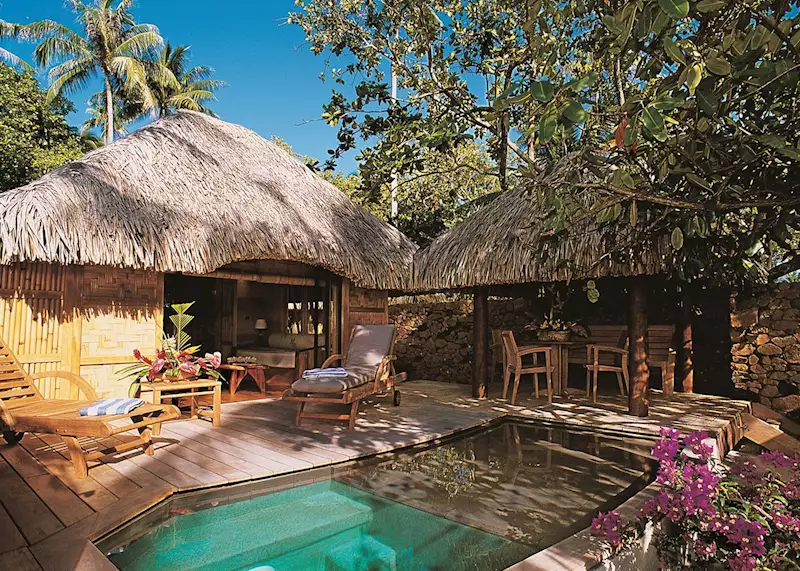
The villas at The Brando are designed with sustainability in mind. They are constructed using sustainable materials such as reclaimed wood and sustainably harvested bamboo. Solar panels provide a significant portion of the villas' electricity, further reducing their carbon footprint. Even the toiletries provided in the villas are biodegradable, and single-use plastics are noticeably absent.
Minimizing the Carbon Footprint: A Holistic Approach
The Brando takes a holistic approach to minimizing its carbon footprint. The resort implements comprehensive waste management programs, including composting and recycling. Rainwater harvesting and greywater recycling are used to conserve water resources. These initiatives demonstrate a commitment to reducing the resort's environmental impact at every level.
Conclusion: A Beacon of Hope for Sustainable Luxury
My ten days at The Brando were an eye-opening and inspiring experience. The resort's commitment to eco-luxury travel French Polynesia is truly commendable. From its groundbreaking SEAWATER AIR CONDITIONING system to its coral reef restoration projects and partnership with the Tetiaroa Society, The Brando is setting a new standard for sustainable tourism French Polynesia. It’s a shining example of how luxury and environmental responsibility can coexist. I leave Tetiaroa feeling hopeful about the future of marine conservation Tetiaroa and the potential for resorts to play a positive role in protecting our planet's precious coral reefs. If you are considering a trip that blends relaxation and respect for the environment, The Brando should be at the top of your list. It truly embodies the essence of a luxury eco-resort.
Support sustainable tourism and marine conservation! Choose eco-friendly resorts like The Brando and contribute to preserving our planet's precious coral reefs. Visit the Tetiaroa Society website tetiaroasociety.org to learn more about their research and conservation efforts, and consider donating to support their important work. Book your eco-luxury stay at The Brando at thebrando.com and experience paradise responsibly. Share this post and video to spread awareness about the importance of protecting our oceans!