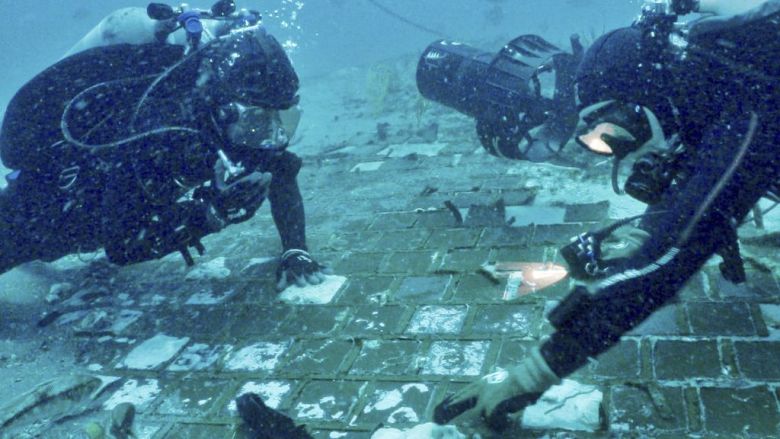
Dive Into History: Exploring Underwater Archaeol...
Imagine diving into the past, your breath the only sound as you uncover secrets lost for centuries. This isn't just diving; it's underwater archaeology, a journey into history where every artifact whispers a story. But with discovery comes responsibility. Responsible wreck diving is crucial for preserving these submerged treasures. Join us as we explore the captivating world of archaeological diving and the importance of responsible exploration of our underwater cultural heritage.
The Antikythera Wreck (Greece): A Dive into Ancient Technology
The Antikythera wreck, discovered in 1901 off the Greek island of Antikythera, is a treasure trove of ancient artifacts. The most famous find is the Antikythera Mechanism, a complex astronomical calculator considered the world's first analog computer. This incredible device, dating back to the 2nd century BC, revolutionized our understanding of ancient Greek science and technology.
Diving conditions at the Antikythera site are challenging. The depth ranges from 130 to 180 feet (40-55 meters), requiring advanced diving skills and specialized equipment. Visibility can be limited, and currents can be strong. These factors, combined with the low light conditions at that depth, make underwater photography difficult. Capturing the intricate details of the artifacts requires specialized lighting and photographic techniques.
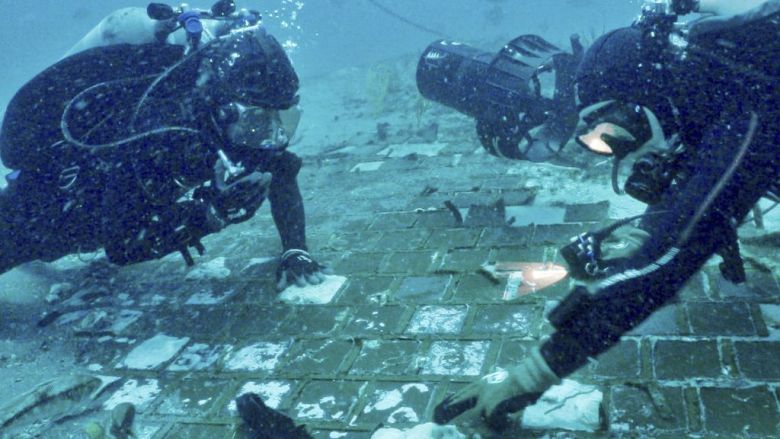
Ongoing archaeological research continues at the Antikythera wreck site. Divers can play a crucial role by reporting any finds to the authorities. However, it is vital to avoid disturbing any artifacts, regardless of their apparent significance. Even seemingly insignificant objects can provide valuable information to archaeologists.
The Ghost Fleet of Truk Lagoon (Micronesia): A Submerged Graveyard of WWII
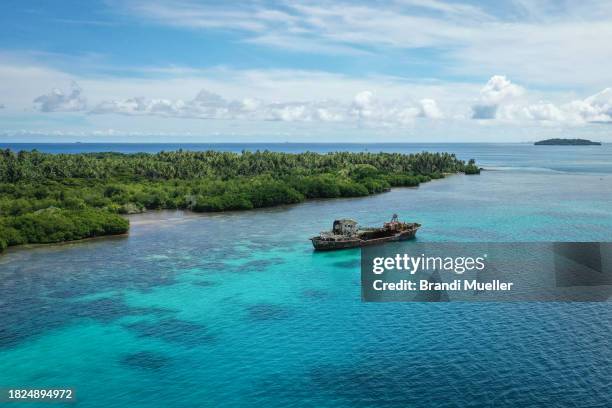
Truk Lagoon, now known as Chuuk Lagoon, served as a major Japanese naval base during World War II. In February 1944, the U.S. Navy launched Operation Hailstone, a devastating attack that resulted in the sinking of numerous ships and planes. Today, Truk Lagoon is a renowned wreck diving destination, often referred to as the Ghost Fleet of Truk Lagoon.
Diving conditions in Truk Lagoon are generally favorable. The wrecks lie at relatively shallow depths, ranging from the surface to about 200 feet (60 meters). Visibility is usually good, but divers should be aware of potential hazards, including unexploded ordnance. The wrecks are now teeming with marine life, creating a unique and poignant juxtaposition of history and nature.
Photographing the wrecks of Truk Lagoon presents several challenges and rewards. The sheer scale of the wrecks can be difficult to capture in a single frame. Documenting the marine life that has colonized the wrecks adds another layer of complexity. Above all, conveying the somber atmosphere of the site is essential. Divers must remember that this is a war grave and should respect the site as a memorial. Maintaining neutral buoyancy is crucial to avoid disturbing silt and potentially uncovering fragile remains.
Diving Ethics: Truk Lagoon
- Respect the site: Remember this is a war grave.
- Avoid touching anything: Wrecks are fragile and should not be disturbed.
- Maintain neutral buoyancy: Prevent silt disturbance.
The Highborn Cay Wrecks (Bahamas): Pirates, Privateers, and Paradise
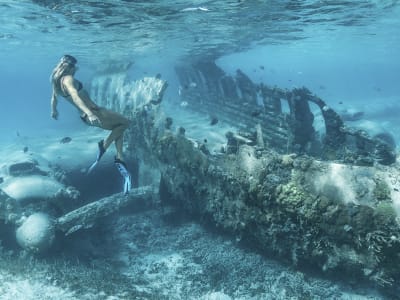
The waters off Highborn Cay in the Bahamas offer a different kind of wreck diving experience. These wrecks, remnants of pirate and privateer activity, lie in clear, shallow waters, making them ideal for beginner wreck divers. The history of wreck diving off Highborn Cay is intertwined with tales of swashbucklers and buried treasure.
Diving conditions are superb, with crystal-clear water and shallow depths, typically ranging from 20 to 40 feet (6-12 meters). The wrecks are encrusted with vibrant coral growth and surrounded by abundant marine life. The combination of history and tropical beauty makes for unforgettable underwater photography opportunities. Using a narrow depth-of-field can help isolate the wrecks from the tropical surroundings, creating stunning images.
When exploring the interior of wrecks, it's crucial to navigate responsibly, avoiding contact with fragile structures. Even seemingly sturdy structures can be weakened by decades of submersion.
Responsible Wreck Diving Practices
Responsible wreck diving is essential for preserving these fragile historical sites. Here are some specific guidelines:
- Maintain neutral buoyancy: Avoid disturbing silt and artifacts.
- Avoid touching or removing anything: Leave everything as you found it.
- Respect the site: Recognize it as a historical and cultural resource.
- Report any finds: Notify the relevant authorities.
- Proper training and certification: Ensure you have the necessary skills and knowledge.
Diving and Underwater Archaeology Permits
Navigating the legal landscape of underwater exploration is essential for responsible wreck diving. Divers must be aware of the necessity of obtaining diving and underwater archaeology permits before exploring any wreck site, regardless of its apparent significance. These permits ensure that exploration activities comply with international and local laws protecting underwater cultural heritage.
Cultural Heritage Protection Laws Diving
These laws regulate activities around underwater sites, with the aim to protect relics from looting and damage. Understanding and adhering to cultural heritage protection laws diving is essential for anyone interested in ethical and sustainable underwater exploration. Such laws are crafted to protect submerged sites from irresponsible actions, preserving them for future generations.
Ethical Considerations for Wreck Diving
Divers can contribute to archaeological research and preservation efforts in several ways:
- Reporting finds: Provide detailed information about any artifacts you discover.
- Participating in site mapping projects: Help create accurate maps of wreck sites.
- Supporting organizations: Donate to groups dedicated to marine archaeology, such as the Nautical Archaeology Society.
Consider ethical considerations for wreck diving tourism, and strive to minimize your impact while maximizing your learning and appreciation of these historical sites. This includes being aware of how tourism affects underwater artifacts and taking extra precautions to avoid any form of damage. If possible, dive with companies that actively contribute to site conservation.
Best Practices for Diving Archaeological Sites
- Research before you dive: Understand the history and significance of the site.
- Dive with experienced operators: Choose companies committed to responsible practices.
- Be mindful of your surroundings: Avoid contact with the seabed and marine life.
What should I do if I find an artifact diving? Report your find to the appropriate authorities. Do not attempt to remove or disturb the artifact.
Are you an underwater archaeologist? Share your research reports and dive logs!
Marine archaeology dive sites are treasure troves of knowledge, and the more divers who are passionate about their preservation, the better!
Contact vistalocation.com with your submissions. Together, we can deepen our understanding of these underwater treasures and inspire responsible exploration for generations to come. Join the Nautical Archaeology Society and contribute to preserving our maritime heritage!
If you're an experienced diver looking to use your skills for a good cause, look into diving training for responsible wreck exploration.
Are you ready to book archaeological diving tour?