Dive into Adventure: Capturing the Ocean's Wonde...
Imagine yourself suspended in the turquoise embrace of the ocean, surrounded by a kaleidoscope of marine life. Sunlight dances through the water, illuminating vibrant coral reefs and the graceful movements of majestic creatures. Marine wildlife photography offers the unique opportunity to freeze these breathtaking moments in time, allowing you to share the ocean's beauty and inspire conservation efforts. The thrill of encountering these animals in their natural habitat is an experience unlike any other. Join us as we explore three incredible destinations that cater specifically to marine wildlife photography enthusiasts: Raja Ampat, Indonesia; Tonga; and the Galapagos Islands. These expeditions offer not only unparalleled photographic opportunities but also a chance to engage in ethical and responsible practices, ensuring the well-being of the marine environment we strive to capture.
Raja Ampat, Indonesia: Macro Magic in the Coral Triangle
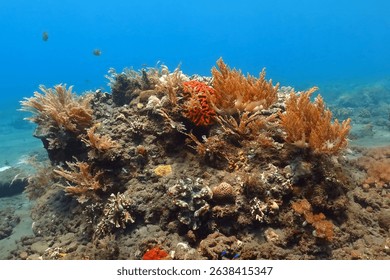
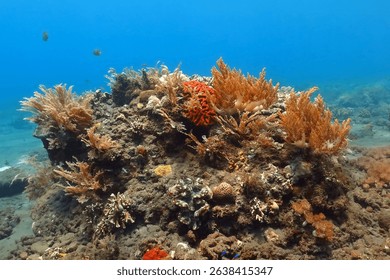
Raja Ampat, located in Indonesia's West Papua province, is a true underwater paradise. Situated in the heart of the Coral Triangle, this archipelago boasts unparalleled marine biodiversity. With over 1,500 islands, islets, and shoals, Raja Ampat is a haven for underwater macro photography, offering a glimpse into a world teeming with intricate and colorful creatures. The region's nutrient-rich waters support an astonishing array of life, from vibrant coral gardens to elusive macro subjects like nudibranchs and pygmy seahorses. For underwater photographers, Raja Ampat presents an extraordinary opportunity to capture the beauty of some of the world's most fascinating and diminutive marine animals.
Photography Techniques
When diving into Raja Ampat's macro wonderland, mastering specific techniques is crucial for capturing stunning images. Nudibranchs, with their dazzling colors and intricate patterns, make ideal subjects. To capture their beauty, use a macro lens and focus carefully on their rhinophores (sensory organs) or gills. Focus stacking can be incredibly useful, especially when shooting at shallow depths of field. This technique involves taking multiple images with slightly different focus points and then combining them in post-processing to create a single image with greater sharpness. For photographing pygmy seahorses, patience is key. These tiny creatures blend seamlessly with their gorgonian coral hosts. Using a snoot to control your lighting and direct it precisely onto the seahorse will help to isolate the subject and prevent backscatter. Remember to approach these fragile environments with utmost care.
Gear Recommendations
Choosing the right equipment can significantly enhance your underwater photography experience. For beginners, the SeaLife Micro 3.0 camera is an excellent option. Its ease of use and built-in color correction make it a user-friendly choice for capturing vibrant images. For more experienced photographers seeking higher image quality, the Canon EOS R6 with a 100mm macro lens is a fantastic combination. The EOS R6's exceptional low-light performance and the macro lens's ability to capture fine details make it ideal for capturing the intricacies of Raja Ampat's macro life. You can find detailed reviews of both cameras on sites like DPReview.
Ethical Considerations
When photographing in Raja Ampat, ethical considerations are paramount. Buoyancy control is crucial to avoid accidentally damaging fragile corals. Maintain a neutral buoyancy and be mindful of your fin placement to prevent stirring up sediment or making contact with the reef. When using flash, consider using red filters or reducing the flash intensity to minimize disturbance to marine life. Avoid touching or harassing any animals, and always respect their natural behavior. Familiarize yourself with the ethical guidelines for conservation photographers from organizations like the International League of Conservation Photographers.
Viral Video Concept: Nudibranch's Grand Reveal
Hook: A sudden burst of vibrant color as a nudibranch reveals itself.
Scene: Ultra-macro cinematic 4K footage of a vibrant nudibranch, golden hour lighting effect achieved through underwater strobes.
Twist: A comical, tiny pygmy seahorse appears suddenly right next to it in a GoPro POV shot.
Visual Style: Vibrant, high-contrast, Pixar-style rendering for maximum visual appeal.
Camera Work: Slow-motion close-up on the nudibranch, rapidly switching to a GoPro POV for the seahorse.
Tonga: Swimming with Giants – Humpback Whale Encounters
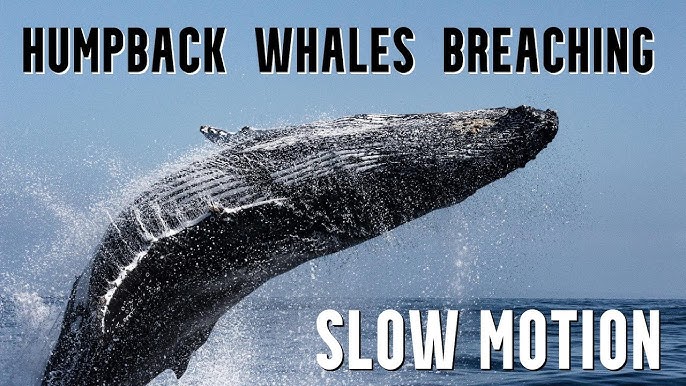
Tonga offers a profoundly moving experience: the opportunity to swim alongside humpback whales in their natural breeding grounds. From July to October, these gentle giants migrate to the warm waters of Tonga to mate and give birth. Witnessing these magnificent creatures up close is a truly awe-inspiring experience, and capturing it through underwater photography is a privilege. Tonga provides unique photographic opportunities to document the whales' grace, power, and maternal bonds.
Photography Techniques
Capturing whales in their vast environment requires a different approach than macro photography. Wide-angle lenses are essential for capturing the entirety of these massive animals and their surrounding habitat. Dome ports are crucial for underwater photography with wide-angle lenses, as they correct for refraction and allow you to capture sharp, clear images. Split-shot photography, where half of the image is above the water and half is below, can be particularly effective for showcasing the whale's size and the beauty of the Tongan landscape. When approaching whales, move slowly and avoid sudden movements that could startle them. Communication with your guide is vital to ensure a safe and respectful encounter.
Gear Recommendations
For capturing the majesty of humpback whales, a robust camera system is necessary. The Nikon D850, combined with a wide-angle lens such as the Nikkor 16-35mm f/4, is a popular choice among professional underwater photographers. An Ikelite underwater housing is essential for protecting your camera from the elements and allowing you to operate it safely underwater. The D850’s high resolution and excellent dynamic range allow you to capture incredible detail, even in challenging lighting conditions.
Ethical Considerations
Ethical considerations are paramount when swimming with whales in Tonga. Maintaining a respectful distance is crucial to avoid stressing the animals. Follow the guidelines provided by your local tour operator, who will be knowledgeable about whale behavior and best practices for interacting with them. Never chase or harass whales, and avoid any behavior that could be perceived as intrusive or threatening. The World Wildlife Fund provides comprehensive responsible whale watching guidelines.
Viral Video Concept: The Breach
Hook: Suddenly, a massive humpback whale breaches the surface.
Scene: Cinematic 4K shot on RED, wide shot, with golden hour lighting and dramatic shadows, the whale's skin glistening in the sun.
Twist: A tiny calf surfaces right next to its mother.
Visual Style: Cinematic, high-speed camera to capture the breach in slow motion.
Camera Work: Orbit around the whale as it breaches, dramatic close-up on the calf.
The Galapagos Islands: Wildlife Photography in a Volcanic Paradise
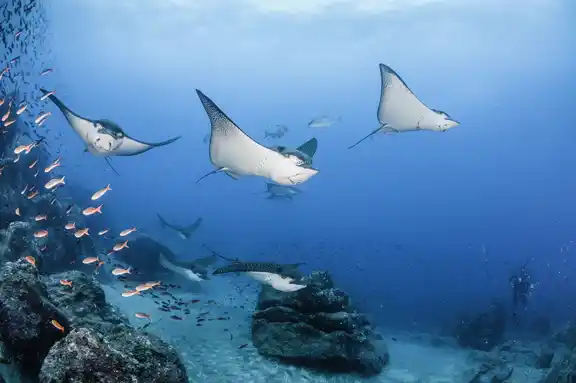
The Galapagos Islands, a volcanic archipelago in the Pacific Ocean, offer a unique and unparalleled wildlife photography experience. Isolated for millions of years, the islands have evolved a remarkable array of endemic species, including marine iguanas, giant tortoises, and blue-footed boobies. The Galapagos provide photographers with the opportunity to capture iconic wildlife in a stunning volcanic landscape, both above and below the water. From playful sea lions to gracefully swimming penguins, the Galapagos offer an abundance of photographic subjects.
Photography Techniques
The Galapagos Islands demand a versatile approach to photography, encompassing both landscape and wildlife techniques. Wide-angle lenses are ideal for capturing the dramatic volcanic landscapes and pristine beaches. When photographing marine iguanas, sea lions, and blue-footed boobies, use a telephoto lens to capture their unique behaviors and characteristics without disturbing them. Patience is key when photographing wildlife, as it allows you to capture natural and authentic moments.
Gear Recommendations
For the Galapagos Islands, a versatile and weather-sealed camera system is highly recommended. The Canon EOS 5D Mark IV is a popular choice for its exceptional image quality and rugged construction. A 24-70mm lens is ideal for capturing landscapes, while a 70-200mm lens is perfect for wildlife photography. The EOS 5D Mark IV's robust weather sealing will protect it from the elements, ensuring reliable performance in the Galapagos' diverse environments.
Ethical Considerations
Preserving the fragile ecosystem of the Galapagos Islands is of utmost importance. Staying on marked trails is essential to avoid trampling vegetation or disturbing wildlife habitats. Avoid touching or feeding any animals, and never remove any natural objects from the islands. Respect the local regulations and guidelines, and support sustainable tourism practices. Learn more about conservation efforts from the Galapagos Conservancy.
Viral Video Concept: The Iguana's Sneeze
Hook: A marine iguana suddenly sneezes a cloud of salt.
Scene: High-speed camera (cinematic 4K) shot, captured at low-angle.
Twist: A sea lion pup waddles into frame and attempts to "steal" the sneeze.
Visual Style: Claymation animation overlay on the live-action shot to emphasize the comical interaction.
Camera Work: Zoom in on the iguana's sneeze, pan to the sea lion pup.
Conclusion
Each of these destinations—Raja Ampat, Tonga, and the Galapagos Islands—offers a unique and unforgettable marine wildlife photography experience. Raja Ampat invites you to explore the intricate world of macro life within the Coral Triangle. Tonga offers the humbling opportunity to swim alongside gentle humpback whales. The Galapagos Islands present the chance to photograph iconic wildlife in a volcanic paradise. Remember that ethical and responsible photography is crucial to protecting these fragile ecosystems for future generations. So, grab your camera, pack your bags, and plan your own marine wildlife photography adventure today!