Dive In, Give Back: Regenerative Travel in Bonai...
Bonaire, a jewel in the Dutch Caribbean, isn't just a stunning destination for pristine beaches and turquoise waters. It's also a global leader in Bonaire coral restoration, pioneering innovative approaches to protect its precious coral reefs. For travelers seeking meaningful experiences, regenerative travel Bonaire offers the unique opportunity to contribute to the health of this vital ecosystem while immersing themselves in its breathtaking beauty. This isn't your average vacation; it's a chance to participate in reef restoration Bonaire, creating a positive impact and forging a deeper connection with nature.
Discovering Bonaire's Underwater Wonders
Bonaire is renowned for its accessible and vibrant coral reefs, making it a haven for divers and snorkelers alike. But beyond the visual splendor lies a rich and immersive underwater world. The underwater soundscape Bonaire coral reef teems with life – the snapping of shrimp, the grunting of fish, and the gentle whooshing of currents against the coral. As you descend into this aquatic realm, try practicing mindful breathing. Inhale the salty air, exhale your anxieties, and allow the symphony of the reef to envelop you.
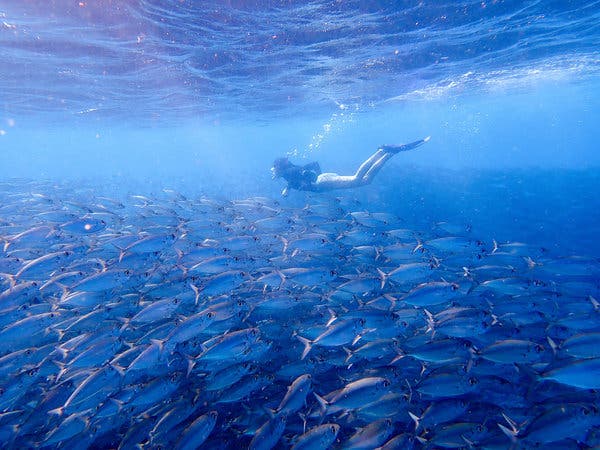
To truly appreciate the significance of Bonaire's reefs, consider the vital role they play. Coral reefs support an estimated 25% of all marine life, provide coastal protection, and contribute significantly to the local economy through tourism. Yet, these delicate ecosystems are under threat from climate change, pollution, and unsustainable practices. That's where regenerative travel comes in.
Bonaire's Coral Restoration Initiatives: A Beacon of Hope
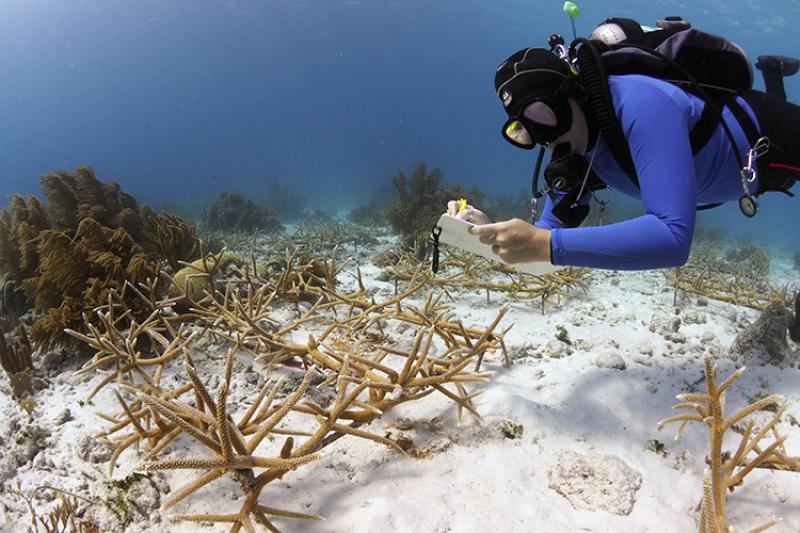
Bonaire stands out as a leader in proactive coral reef conservation. Organizations like Reef Renewal Foundation Bonaire are at the forefront, employing innovative techniques to restore damaged reefs and enhance their resilience. But why is coral restoration important in Bonaire? The answer is simple: healthy reefs ensure a healthy future for the island and the planet. These efforts focus on growing new coral colonies in nurseries and then transplanting them onto degraded reef sites. Specific coral species thriving due to restoration efforts include the majestic Elkhorn and Staghorn coral, both crucial for providing habitat and structural complexity to the reef.
One of the key techniques used is coral propagation, a process that involves fragmenting healthy coral colonies and growing them in a controlled environment before transplanting them back onto the reef. Another cutting-edge method involves micro-fragmentation, where corals are divided into very small pieces to accelerate growth rates. These methods help corals recover more quickly and adapt to changing environmental conditions.
Threats to Bonaire Coral Reefs
Of course there are numerous threats to Bonaire coral reefs.
- Climate Change: Increased water temperatures cause coral bleaching.
- Pollution: Runoff from land carries pollutants that harm coral.
- Overfishing: Disrupts the natural balance of the reef ecosystem.
- Physical Damage: Anchors and careless divers can damage coral.
Become a Citizen Scientist: Opportunities to Give Back
The beauty of Bonaire underwater conservation is that you don't have to be a scientist to make a difference. Travelers have incredible opportunities to participate in citizen science initiatives and contribute directly to reef restoration efforts.
Reef Renewal Foundation Bonaire: Hands-On Involvement
Reef Renewal Foundation Bonaire offers various programs that allow visitors to actively participate in coral restoration:
- Coral Nursery Maintenance: Help clean coral nurseries, remove algae, and ensure optimal growing conditions.
- Coral Planting Dives: Under the guidance of experienced instructors, transplant lab-grown coral fragments onto degraded reef sites. How can I help restore coral reefs in Bonaire? This is your chance!
- Reef Monitoring: Collect data on coral health, growth rates, and fish populations to track the success of restoration efforts.

Beach Cleanups: A Simple Yet Powerful Act
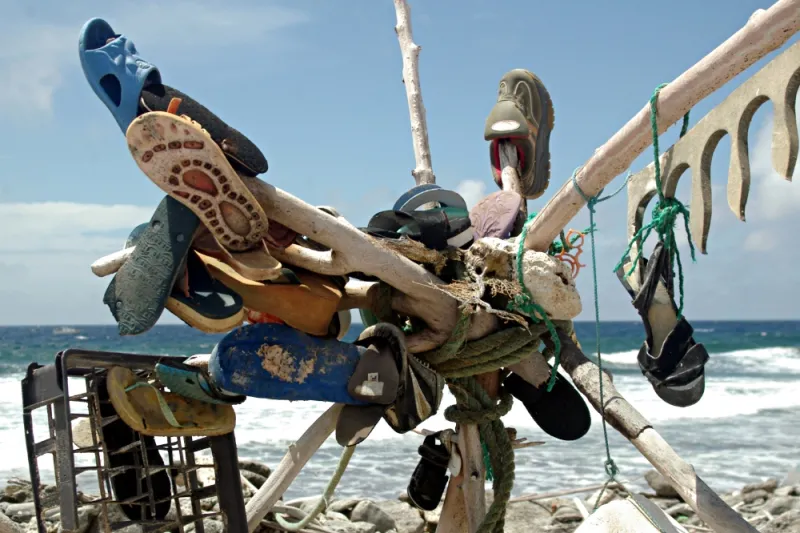
Beyond diving, you can also contribute to eco-tourism Bonaire coral reefs by joining beach cleanup projects organized by local organizations. Removing plastic and other debris from the coastline protects marine life and prevents pollution from entering the ocean.
Bonaire Citizen Science Diving
Are you an experienced diver? Then Bonaire citizen science diving may be the adventure for you. With more specific diving expertise, you can assist scientists in collecting data, monitoring reef health, and identifying potential threats. Several organizations run Bonaire reef restoration citizen science programs, allowing divers to combine their passion with a commitment to conservation. Certified Bonaire dive operators for coral restoration provide training and guidance to ensure responsible participation. What diving certifications are needed for coral restoration in Bonaire? Usually a PADI Open Water certification and good buoyancy control are minimum requirements.
Supporting Responsible Diving Practices
Even if you don't participate in structured volunteer activities, you can still make a positive impact by choosing sustainable diving practices. Here are a few simple steps:
- Maintain Neutral Buoyancy: Avoid touching or bumping into coral.
- Use Reef-Safe Sunscreen: Choose sunscreens that are free of harmful chemicals like oxybenzone and octinoxate.
- Respect Marine Life: Observe marine animals from a distance and avoid feeding them.
Immersive Underwater Natural Soundscapes
Beyond the visual aspect, Bonaire's coral reefs offer a unique auditory experience. Using underwater microphones, scientists are beginning to study the natural soundscape of the reefs, providing valuable insights into reef health and biodiversity. Experiencing the underwater soundscape of Bonaire's reefs can be a powerful way to connect with nature.
Researchers are exploring the connection between underwater acoustics and coral reef health, recognizing that healthy reefs have more diverse and vibrant soundscapes. Damaged or degraded reefs tend to be quieter, reflecting the loss of biodiversity. By monitoring these soundscapes, scientists can assess the effectiveness of restoration efforts and identify areas that need additional support.
Planning Your Regenerative Travel Adventure
Ready to embark on your own regenerative travel experience in Bonaire? Here's how to get started:
- Choose a Responsible Tour Operator: Select tour operators who are committed to sustainable practices and support local conservation efforts. Ethical dive operators in Bonaire supporting reef health are your best choice.
- Book Accommodations That Prioritize Sustainability: Look for hotels and guesthouses that have implemented eco-friendly practices, such as reducing waste, conserving water, and using renewable energy.
- Plan Your Activities in Advance: Research available volunteer opportunities and book your participation in coral restoration dives or beach cleanups.
- Pack Responsibly: Bring reef-safe sunscreen, reusable water bottles, and other eco-friendly essentials.
Benefits of Healthy Coral Reefs
The numerous benefits of healthy coral reefs include:
- Biodiversity: Supports a wide variety of marine life.
- Coastal Protection: Protects coastlines from erosion and storm damage.
- Tourism: Attracts visitors and supports the local economy.
- Fisheries: Provides habitat for commercially important fish species.
Conclusion: Make Your Travel Meaningful
Bonaire offers a unique opportunity to combine the joys of travel with the satisfaction of making a positive impact. By choosing regenerative travel options, you can support the island's commitment to Bonaire coral restoration and contribute to the health of our planet. Dive in, give back, and experience the magic of Bonaire's coral paradise. Ready to book your impactful travel experience? Visit vistalocation.com today!