Dive In, Give Back: Ocean Adventures That Heal t...
Are you an eco-conscious traveler looking for more than just a vacation? Do you want to experience the beauty of the ocean while actively contributing to its health? Vistalocation.com is excited to showcase incredible ocean conservation travel opportunities that allow you to dive in, give back, and leave a positive impact on our planet. From restoring coral reefs to cleaning up plastic pollution, these responsible ocean adventures offer quantifiable ways to make a difference. Join us as we explore some of the most impactful sea adventures that are healing the planet, one dive, one volunteer at a time.
Coral Restoration in the Florida Keys with the Coral Restoration Foundation
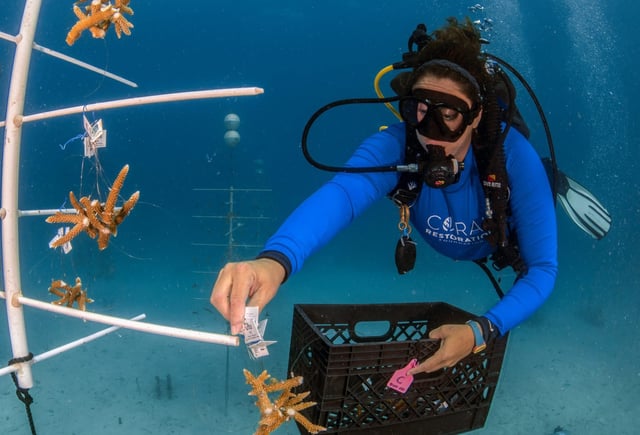
The Florida Keys, a vibrant ecosystem and popular travel destination, has faced significant coral reef degradation over the past few decades. The Coral Restoration Foundation (CRF) is at the forefront of reversing this trend with its innovative "Coral Tree" nursery program. These underwater structures act as safe havens where coral fragments can grow and thrive before being transplanted back onto the reefs.
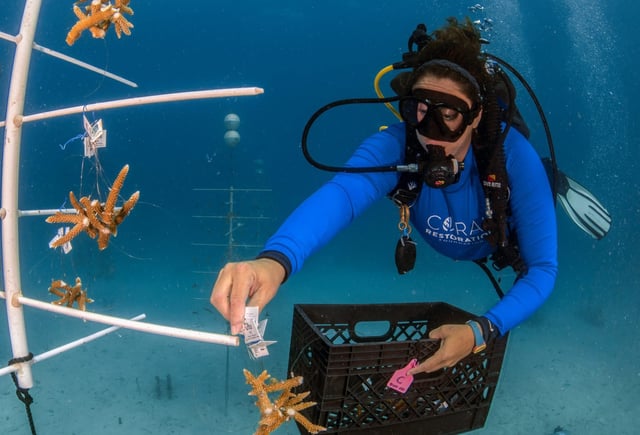
As a traveler, you have the unique opportunity to participate in coral outplanting, a hands-on experience that directly contributes to reef restoration. Imagine yourself carefully attaching Staghorn coral fragments to a degraded reef, knowing that you're helping to rebuild a vital ecosystem. Each volunteer helps plant an average of 20 coral fragments. According to CRF data, these efforts contribute to a 15% increase in local biodiversity in restored areas. By joining CRF in the Florida Keys, you're not just witnessing the beauty of the ocean; you're actively restoring it.
Dolphin Research Expedition with the Wild Dolphin Project in the Bahamas
Embark on an extraordinary journey with the Wild Dolphin Project (WDP) in the Bahamas, where you can join ongoing research efforts to study the fascinating behavior and communication of wild dolphins. This expedition emphasizes non-intrusive observation techniques, ensuring the dolphins' natural environment is respected.
Imagine spending your days observing pods of dolphins, photographing them, and identifying individual dolphins based on their unique markings. This data collection is crucial for long-term population monitoring and helps the WDP advocate for policies to protect dolphin habitats.
The data collected by the Wild Dolphin Project informs conservation strategies that reduce human impact on these magnificent creatures. WDP statistics show that their advocacy efforts have led to a 10% reduction in boat strikes, demonstrating the tangible impact of their research. By participating in this expedition, you are directly contributing to the preservation of wild dolphin populations and their fragile ecosystem.
Great White Shark Cage Diving with Marine Dynamics in South Africa
Experience the thrill of encountering Great White Sharks in their natural habitat while supporting crucial conservation efforts with Marine Dynamics in South Africa. This isn't just about adrenaline; it's about responsible tourism that funds vital research. Marine Dynamics is committed to shark conservation and research and collaborates with the Dyer Island Conservation Trust to protect these apex predators.
Cage diving tourism directly supports shark tagging and tracking programs, providing valuable data on shark behavior and migration patterns. Marine Dynamics data shows that each cage diving trip contributes to tagging at least one Great White Shark per week. This information informs conservation strategies and helps scientists understand how to best protect these magnificent creatures.
Marine Dynamics is also actively involved in combating shark finning and promoting responsible fishing practices, ensuring the long-term survival of these essential ocean inhabitants. By choosing Marine Dynamics, you're contributing to shark conservation and challenging negative stereotypes surrounding these incredible animals. How to ethically swim with sharks in South Africa is a question on the minds of many marine enthusiasts.
Plastic Cleanup Dive with Ghost Diving in the Mediterranean
The Mediterranean Sea faces a significant threat from abandoned fishing nets, also known as "ghost nets," and other marine debris. These nets continue to trap and kill marine life long after they've been discarded, causing immense environmental damage. Ghost Diving offers travelers the opportunity to join expeditions dedicated to removing these deadly nets from the seabed.
Imagine diving into the crystal-clear waters of the Mediterranean and actively removing these silent killers. A single Ghost Diving expedition can remove over 500 pounds of plastic and ghost gear, preventing further entanglement of marine life and restoring underwater habitats. Ghost Diving data confirms the significant impact of their efforts in revitalizing the Mediterranean ecosystem. Where can I go diving and clean up plastic? This is a question more and more travelers are asking.
Ethical Elephant Encounter at the Elephant Nature Park in Chiang Mai, Thailand
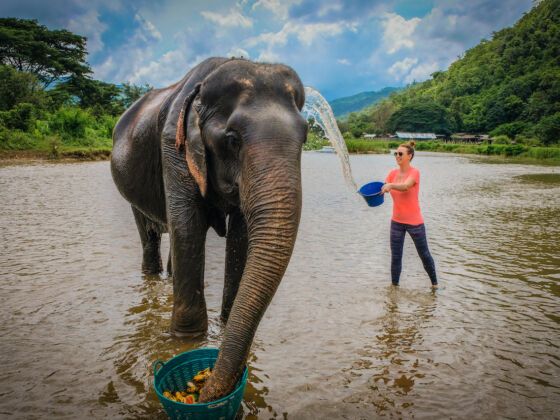
While not directly related to ocean conservation, ethical wildlife tourism is crucial for overall environmental health. The Elephant Nature Park in Chiang Mai, Thailand, offers a sanctuary for elephants rescued from the tourism and logging industries.
At this park, travelers can observe elephants in a natural environment and learn about their behavior and needs. The park provides a safe haven for elephants to live out their lives in peace and dignity, free from riding or forced interactions. Travelers can help prepare food for the elephants, clean their enclosures, and assist with veterinary care under the supervision of experienced staff. This is vital to the well-being of rescued elephants. Are ethical elephant encounters possible in Thailand? Yes, and the Elephant Nature Park is a perfect example.
Citizen Science Water Quality Monitoring with Earthwatch in the Amazon Rainforest
Venture into the heart of the Amazon Rainforest with Earthwatch and participate in vital water quality monitoring projects. Travelers can collect data on water chemistry, biodiversity, and pollution levels, contributing to our understanding of the health of the Amazon River and its tributaries. This is a crucial aspect of conservation.
The data collected helps Earthwatch identify pollution sources, track changes in water quality, and advocate for policies to protect the Amazon River ecosystem. Earthwatch reports highlight successful past campaigns that have resulted in a 20% reduction in mercury contamination in local waterways. Where can I participate in water quality monitoring in the Amazon rainforest? Earthwatch offers a transformative experience.
Eco-Friendly Product Recommendations
Choosing sustainable products is an important step in minimizing your environmental impact while traveling. Here are some recommendations:
- Reef-safe sunscreen: Stream2Sea mineral sunscreen is biodegradable and free of harmful chemicals like oxybenzone and octinoxate, protecting coral reefs from damage.
- Reusable water bottle: The Hydro Flask stainless steel water bottle is durable, insulated, and helps reduce plastic waste.
- Biodegradable shampoo and soap: Ethique solid shampoo bars offer plastic-free packaging and natural ingredients, making them an eco-conscious choice.
Water Conservation Practices
Conserving water is crucial for sustainable travel, especially in destinations facing water scarcity. Here are some tips:
- Take shorter showers to reduce water consumption.
- Use water-saving showerheads to minimize water waste.
- Reuse towels to decrease the need for excessive washing.
Many destinations are implementing innovative water conservation efforts, such as rainwater harvesting in the Caribbean and water recycling in desert communities. When booking accommodations, choose hotels that prioritize water conservation with water-efficient appliances and landscaping.
By choosing these responsible ocean adventures, you're not just taking a vacation; you're becoming an active participant in healing our planet. Are you ready to dive in and give back? Visit vistalocation.com today to book your unforgettable eco-friendly sea tours and make a lasting difference. Consider ocean conservation travel impact reports when evaluating your options. Let’s protect our oceans together, one adventure at a time.