Dive In, Give Back: Experiencing the Ocean Throu...
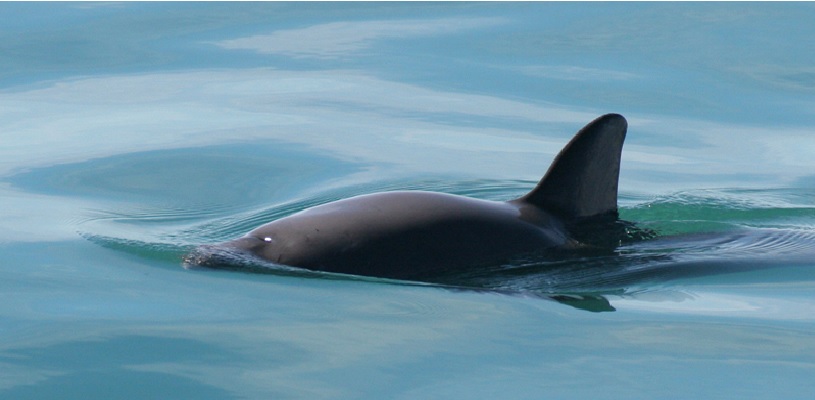
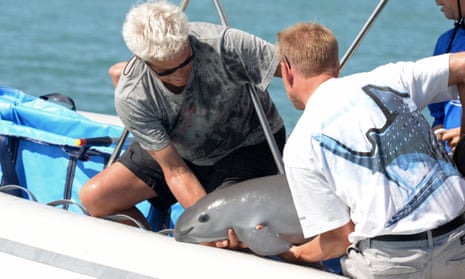
The ocean, the lifeblood of our planet, is facing unprecedented challenges. From plastic pollution to overfishing, its delicate ecosystems are under immense pressure. The plight of the Vaquita, a critically endangered porpoise in the Gulf of California with less than 20 individuals remaining due to illegal fishing practices, serves as a stark reminder of the urgent need for ocean conservation volunteer trips. This isn’t just about admiring the ocean’s beauty; it's about actively participating in its preservation. Thankfully, there are impactful ways travelers can contribute to active marine conservation travel, making their journeys meaningful and restorative.
Community-Led Conservation: Partnering with Locals for Lasting Change
Real conservation happens when communities are empowered to protect their own resources. By participating in community-led initiatives, travelers can make a direct impact on the health of the ocean and the livelihoods of those who depend on it.
Saving the Vaquita with Sea of Change Expeditions
In Baja California Sur, Mexico, Sea of Change Expeditions offers a unique opportunity to directly participate in Vaquita rescue and monitoring efforts. Partnering with local fishing communities, who are being supported in their transition to sustainable practices, travelers can join vital activities.
- Net Removal: Assist in removing abandoned or lost "ghost nets" that continue to trap marine life, including the critically endangered Vaquita.
- Acoustic Monitoring: Deploy and retrieve acoustic monitoring devices to track Vaquita populations and their movements, providing crucial data for conservation strategies.
- Community Workshops: Participate in workshops with local fishermen, learning about their traditional knowledge and supporting their adoption of sustainable fishing techniques. This collaborative approach ensures the long-term success of vaquita conservation experience.
Protecting Sea Turtles in Barbados with the Barbados Sea Turtle Project
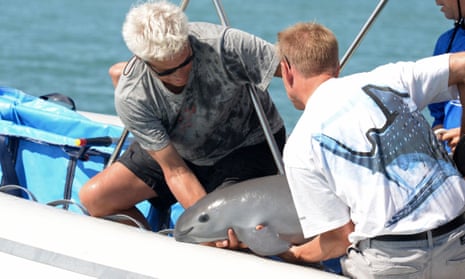
On the other side of the Atlantic, the Barbados Sea Turtle Project offers another inspiring example of community-based conservation. Hawksbill turtles face numerous threats, including habitat loss and poaching. Volunteers play a vital role in their protection.
- Nightly Beach Patrols: Assist in nightly patrols during nesting season to identify and protect Hawksbill turtle nests from predators and poachers.
- Nest Relocation: Carefully relocate nests that are at risk due to erosion or high tides to safer locations.
- Hatchling Releases: Participate in the unforgettable experience of releasing newly hatched turtles into the ocean, ensuring they have the best possible start to life.
Citizen Science: Contributing to Global Ocean Monitoring
You don't need to be a marine biologist to contribute to ocean conservation. Citizen science initiatives provide opportunities for travelers to collect valuable data that helps scientists understand and address the challenges facing our oceans. These opportunities create a truly participatory ocean conservation dynamic.
Reef Life Survey: Divers as Data Collectors
The Reef Life Survey (RLS) empowers certified divers to contribute to global reef monitoring. By conducting standardized surveys and submitting data, divers help track coral bleaching, biodiversity loss, and the overall health of reefs around the world.
- Standardized Surveys: RLS provides training and protocols for conducting underwater surveys, ensuring consistent and reliable data collection.
- Data Submission: Divers submit their survey data to the RLS database, where it is used by scientists and conservation managers to assess reef health and inform conservation strategies.
- Global Impact: RLS data is used to track changes in reef ecosystems, identify areas of concern, and evaluate the effectiveness of conservation efforts. This approach is critical to understanding the impact of citizen science ocean monitoring.
The Ocean Cleanup: Sorting and Analyzing Plastic Waste
The Ocean Cleanup is working to remove plastic from the Great Pacific Garbage Patch and other ocean hotspots. While the organization relies on advanced technology, volunteers are also needed to assist with sorting and analyzing the collected plastic.
- Plastic Sorting: Help sort the collected plastic by type, size, and origin, providing valuable data for understanding the sources of ocean pollution.
- Data Analysis: Analyze data on the types and quantities of plastic collected to identify trends and inform strategies for preventing future pollution.
Responsible Ocean Transportation: Sailing Towards a Sustainable Future
Traditional cruise ships contribute significantly to ocean pollution. Choosing sustainable alternatives is crucial for minimizing your environmental impact.
Tres Hombres: Emission-Free Cargo Transport
The Tres Hombres is a cargo sailing ship committed to emission-free transport of goods across the Atlantic. By supporting this initiative, you can reduce your carbon footprint and promote sustainable trade.
- Emission-Free Transport: The Tres Hombres relies solely on wind power, eliminating the emissions associated with traditional cargo ships.
- Sustainable Trade: The ship transports a variety of goods, including coffee, chocolate, and rum, promoting sustainable and ethical trade practices.
- Unique Travel Experience: While primarily a cargo ship, the Tres Hombres occasionally offers opportunities for passengers to join voyages, providing a unique and adventurous travel experience.
Exploring Coastal Ferries: Slow Travel on the Water
Instead of flying, consider exploring coastal regions by ferry. Ferries offer a more sustainable way to travel, reducing your carbon footprint and allowing you to experience the beauty of the coastline. Along the Norwegian coast, ferries are an essential part of the transportation network. Some popular routes include:
- Bergen to Kirkenes: A multi-day journey along the entire Norwegian coast.
- Sognefjord Cruise: Explore the stunning Sognefjord, the longest and deepest fjord in Norway.
- Lofoten Islands Ferry: Island hop through the breathtaking Lofoten archipelago.
Eco-Friendly Ocean Gear: Choosing Sustainable Products
The gear we use for ocean activities can also have a significant impact. Choosing eco-friendly options helps reduce pollution and support sustainable businesses. When you consider your next purchase of eco-friendly snorkel gear, think about the following companies:
Fourth Element: Wetsuits Made from Recycled Materials
Fourth Element offers a range of eco-friendly wetsuits made from recycled materials. By choosing Fourth Element, you can reduce your reliance on virgin plastics and support a company committed to sustainability.
Waterlust: Apparel with a Purpose
Waterlust is an apparel company that donates a percentage of its profits to marine conservation organizations. By purchasing Waterlust products, you can support important conservation initiatives while looking good.
Conclusion: Your Ocean Adventure Awaits
The ocean needs our help, and every action, no matter how small, can make a difference. Choose sustainable travel options, support community-led conservation initiatives, and actively participate in citizen science projects during your ocean adventures. By diving in and giving back, you can help protect the ocean for future generations. Consider donating to the following organizations to support their vital work: