Dive In, Give Back: Ethical Sea Adventures for t...
Are you an environmentally conscious millennial or Gen Z traveler seeking authentic, unforgettable experiences? Do you crave adventure, but also want to ensure your travels contribute positively to the planet and its people? Then ethical sea tourism is for you! Explore the breathtaking beauty of our oceans while actively supporting marine conservation and community-based ecotourism. At Vistalocation, we believe travel should be a force for good. Dive into our guide to sustainable sea tourism and discover how you can make a difference on your next vacation.
What is Ethical Sea Tourism?
Ethical sea tourism, also known as responsible ocean tourism, goes beyond simply enjoying the ocean's wonders. It's about making informed choices that minimize your environmental impact, respect local cultures, and contribute to the long-term health of marine ecosystems. But what makes these adventures ethical and sustainable? These adventures prioritize low-impact practices, directly benefit local communities by creating jobs and supporting local businesses, and actively contribute to marine conservation efforts, such as coral reef restoration and wildlife protection. These efforts ensure that these destinations remain vibrant and healthy for generations to come.
Small-Ship Expedition Cruises in the Galapagos: A Model for Conservation
The Galapagos Islands, a volcanic archipelago teeming with unique wildlife, are a dream destination for many. But mass tourism can threaten this fragile ecosystem. That's where small-ship expedition cruises come in. These cruises, like those offered by Celebrity Cruises, offer an immersive experience with a minimal environmental footprint.
Celebrity Cruises is deeply committed to the Galapagos Islands, with itineraries specifically designed around conservation travel Galapagos. They partner with local communities, providing employment opportunities and supporting local businesses. Their ships are equipped with advanced environmental technologies to reduce emissions and waste. These efforts help to ensure that the local community thrives alongside the fragile ecosystem that surrounds them.
"Our commitment to the Galapagos extends beyond offering unforgettable experiences," says a Celebrity Cruises representative. "We are dedicated to protecting this natural wonder for future generations through sustainable practices and partnerships with local communities."
How do these cruises benefit the Galapagos?
- Reduced Environmental Impact: Smaller ships mean less pollution and disruption to marine life.
- Support for Local Communities: Cruises partner with local businesses and employ local guides.
- Conservation Initiatives: A portion of cruise fares often goes towards conservation projects.
Choosing an Ethical Galapagos Cruise
- Look for cruise lines with strong sustainability certifications.
- Inquire about their partnerships with local communities.
- Prioritize smaller ships with advanced environmental technologies.
Ethical Whale and Dolphin Watching Tours in Iceland: Respecting Cetaceans
Iceland is a prime location for ethical travel Iceland whales due to its abundant whale and dolphin populations. However, irresponsible whale watching practices can harm these magnificent creatures. Companies like Elding Adventure at Sea prioritize the well-being of cetaceans by adhering to strict responsible whale watching guidelines. They avoid approaching whales too closely, limit viewing time, and never chase or harass the animals. They also contribute to research and conservation efforts by collecting data on whale populations and behavior. This data helps ensure the species are thriving and are not being negatively affected by tourism.

"Responsible whale watching is crucial for the long-term health of cetacean populations," explains Dr. Marine Biologist working with Elding. "By following strict guidelines and contributing to research, we can ensure that these animals thrive while allowing people to appreciate their beauty."
Mitigating the Impact of Tourism
Common concerns include disturbance to feeding and breeding patterns. Elding mitigates these risks by:
- Maintaining a safe distance from whales.
- Limiting viewing time.
- Educating passengers about responsible whale watching practices.
How to Choose an Ethical Whale Watching Tour
- Look for operators with certifications from reputable organizations.
- Inquire about their responsible whale watching guidelines.
- Choose tours that contribute to research and conservation efforts.
Cage Diving with Great White Sharks in South Africa: Conservation Through Education
Cage diving with Great White Sharks is a thrilling experience, but it also raises ethical concerns. Marine Dynamics in Gansbaai, South Africa, demonstrates how this activity can be conducted responsibly and contribute to responsible shark cage diving South Africa. They prioritize shark conservation through research, education, and anti-poaching initiatives. Their tours contribute to the local economy by providing jobs and supporting local businesses.
Marine Dynamics’ research and education programs are designed to show the importance of protecting these apex predators. By observing sharks in their natural environment, tourists can gain a greater understanding of these often-misunderstood creatures. It helps to counteract negative stereotypes and promote a better understanding of sharks’ role in the marine ecosystem.
The Scientific Rationale for Cage Diving
Cage diving, when done responsibly, can help educate the public about sharks and contribute to conservation efforts. Seeing these animals up close dispels myths and fosters a greater appreciation for their importance. Furthermore, tour operators like Marine Dynamics often fund research projects that contribute to our understanding of shark behavior and ecology.
Supporting Anti-Poaching Initiatives
Great White Sharks face threats from illegal fishing and poaching. Marine Dynamics actively supports anti-poaching initiatives, working with local authorities to protect these vulnerable animals.
How to Choose an Ethical Shark Cage Diving Operator
- Look for operators with strong conservation programs.
- Inquire about their research and education initiatives.
- Choose tours that contribute to the local economy.
Scuba Diving & Coral Reef Restoration in Indonesia: Active Participation in Conservation
Coral reefs are vital ecosystems, providing habitat for countless marine species. However, they face numerous threats, including climate change, pollution, and destructive fishing practices. Divers can play an active role in protecting these precious ecosystems through sustainable scuba diving coral reef restoration Indonesia.
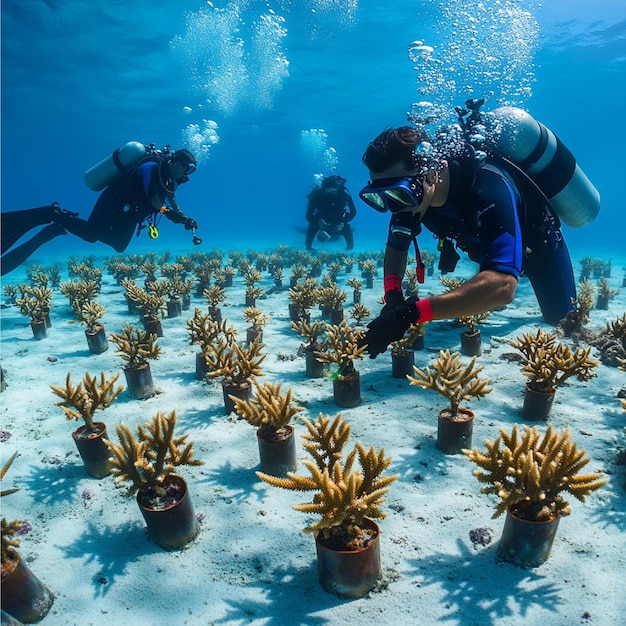
Dive operators, such as those found on Gangga Island, offer opportunities for divers to participate in coral reef restoration projects. Divers can actively participate in coral planting, monitoring, and cleaning. This hands-on experience provides a deeper understanding of the challenges facing coral reefs and empowers divers to become advocates for marine conservation.
The Importance of Coral Reefs
Coral reefs provide essential habitat for a vast array of marine life, support fisheries, and protect coastlines from erosion. They are also economically important, attracting tourists and generating revenue for local communities.
Threats to Coral Reefs
- Climate change (ocean acidification and warming)
- Pollution (runoff from agriculture and sewage)
- Destructive fishing practices (dynamite fishing and trawling)
How to Identify Responsible Dive Operators
- Look for operators with certifications from organizations like Green Fins.
- Inquire about their environmental practices.
- Choose tours that contribute to coral reef restoration projects.
- Ensure they adhere to responsible diving practices.
How to Choose an Ethical Marine Tour Operator
- Research their sustainability practices: Look for certifications and affiliations with conservation organizations.
- Inquire about their impact on local communities: Do they employ local guides and support local businesses?
- Read reviews from other travelers: See what others have to say about their experiences.
- Ask questions: Don't be afraid to ask tour operators about their environmental and social practices.
What steps can travelers take to minimize their environmental impact?
- Choose eco-friendly transportation options.
- Reduce your plastic consumption.
- Respect wildlife and their habitats.
- Support local businesses and communities.
- Educate yourself about the environmental challenges facing marine ecosystems.
What are the long-term benefits of supporting ecotourism initiatives?
- Conservation of marine ecosystems
- Support for local communities
- Increased awareness of environmental issues
- Promotion of responsible travel practices
The Future of Ethical Marine Travel
By choosing ethical sea adventures, you can make a positive impact on the planet and its people. Together, we can ensure that future generations can enjoy the wonders of our oceans. Join us at Vistalocation in promoting ecotourism sea adventures that give back. Start planning your next adventure today and become a responsible traveler! To see more ways you can help, explore Ocean Conservation Charities and discover volunteer opportunities that align with your interests.