Dive In, Do Good: Sea Adventures That Directly S...
Escape the ordinary vacation and become a vital part of ocean conservation. Forget simply lounging by the pool; explore destinations where your adventures directly combat environmental threats. From coral restoration to plastic cleanup, these breathtaking experiences offer the chance to contribute to tangible change, making your next trip an unforgettable journey for both you and the planet. Your vacation can actively protect the ocean and its inhabitants, one adventure at a time.
Snorkeling for Great Barrier Reef Rescue
The Great Barrier Reef, a wonder of the natural world, faces immense challenges. Crown-of-thorns starfish outbreaks and rising water temperatures are devastating coral populations. But you can play a direct role in its recovery.
Adventure: Join a snorkeling tour with Reef Restoration Divers Cairns. Participate in crown-of-thorns starfish culling (expect to remove an average of 50-100 starfish per dive), a vital task in protecting healthy coral. Assist in coral planting initiatives, directly contributing to the restoration of damaged reef sections by planting approximately 10 coral fragments per person.
Quantifiable Impact: Track the number of starfish culled and coral fragments planted by the tour group, contributing to their quarterly report submitted to the Great Barrier Reef Marine Park Authority. Each starfish you remove can prevent further devastation, and each coral fragment planted offers new life to the reef.
Seagrass Savior in the Florida Keys
Seagrass meadows in the Florida Keys are vital habitats, supporting manatees and a diverse array of marine life. However, these underwater ecosystems are declining, impacting the delicate balance of the region.
Adventure: Volunteer on a "Seagrass Restoration Dive" with The Florida Keys Marine Ecosystem Restoration Project in partnership with the Florida Keys National Marine Sanctuary. Collect and replant seagrass sprigs into designated restoration zones, helping to revitalize these critical habitats.
Quantifiable Impact: Contribute to the organization's goal of planting 10,000+ seagrass plugs annually. Track your individual contributions to the project's database and witness the growth of the restored meadows over time. By getting involved, you can help reverse the decline and ensure a healthy future for the Keys' marine ecosystem.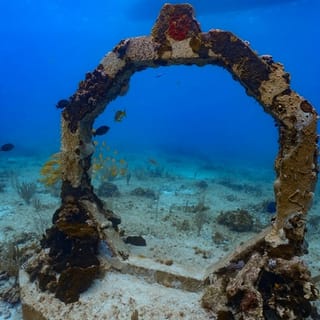
Eco-Island Stay and Plastic Patrol in the Perhentian Islands, Malaysia
Plastic pollution is choking the Perhentian Islands' delicate ecosystems. This idyllic paradise is under threat, but you can help turn the tide.
Adventure: Stay at Bubbles Dive Resort, an eco-lodge committed to sustainability. Participate in daily beach cleanups, using 4Ocean reusable collection bags. Track the weight of plastic collected and contribute to the lodge's data on plastic pollution trends.
Quantifiable Impact: Help reduce the estimated 500 kg of plastic waste accumulating on the islands each month. Contribute to the lodge's database of plastic waste collected, contributing to the ongoing fight against plastic pollution.
Water Warriors of Bonaire
Water scarcity is a growing problem in many parts of the world, and Bonaire's fragile ecosystem is particularly vulnerable. Sustainable practices are crucial for preserving its natural beauty.
Adventure: Choose to stay at Captain Don's Habitat, a resort implementing innovative water conservation techniques, such as rainwater harvesting and greywater recycling. Participate in their coral reef restoration project. Track your water usage and compare it to the average tourist consumption to see the difference you're making.
Quantifiable Impact: Reduce your water consumption by 30% compared to the average tourist. Contribute to planting 20 coral fragments, directly aiding the restoration of the island's reefs.
Citizen Science with Seasearch (UK)
The Marine Conservation Society's "Seasearch" project offers a fantastic opportunity to contribute to marine research around the UK.
Adventure: Participate in Seasearch dives or shore surveys around the UK (e.g., Cornwall, Scotland). Identify and record marine species using standardized forms, providing valuable data for conservation efforts.
Quantifiable Impact: Contribute to the Seasearch database, which contains over 500,000 records of marine species and habitats, helping to monitor and protect the UK's marine environment.
Data Divers of Monterey Bay
Understanding the impacts of climate change on Monterey Bay's ecosystem is crucial for effective conservation.
Adventure: Volunteer with the Monterey Bay Aquarium Research Institute (MBARI) on their citizen science data collection project. Assist with deploying and retrieving sensors, collecting water samples, and analyzing data, contributing to vital research efforts.
Quantifiable Impact: Contribute to MBARI's long-term data sets, helping scientists track changes in ocean temperature, salinity, and plankton abundance, providing valuable insights into the effects of climate change.
Ethical Whale Watching in Iceland
Responsible tourism is essential for protecting whale populations and their habitats.
Adventure: Choose a whale watching tour with North Sailing in Husavik, a company that uses hydrophones to minimize underwater noise pollution. Attend detailed educational briefings on whale behavior and the threats they face. North Sailing partners with the Icelandic Whale Research Program.
Quantifiable Impact: Support whale research and conservation efforts by directly contributing to the program's funding through your tour booking. Minimize disturbance to whale populations through the use of hydrophones, ensuring a more peaceful experience for these magnificent creatures.
Elephant Caretaker in Chiang Mai, Thailand
While not directly related to the ocean, ethical elephant tourism can contribute to overall environmental sustainability.
Adventure: Volunteer at an ethical elephant sanctuary, such as Elephant Nature Park in Chiang Mai, that rescues and rehabilitates elephants from the tourism and logging industries. Participate in feeding, bathing, and providing medical care for the elephants, contributing to their well-being and supporting the sanctuary's vital work.
Quantifiable Impact: Directly contribute to the well-being of rescued elephants and support the sanctuary's efforts to combat elephant abuse, promoting ethical treatment of these incredible animals.
Gear Up for Sustainable Travel:
Here are some product recommendations to help you on your eco-friendly adventures:
- Reef-safe sunscreen: Raw Elements or Stream2Sea.
- Reusable water bottle: Hydro Flask or Nalgene.
- Travel-sized shampoo and conditioner bars: Ethique or Lush.
- Reusable cutlery set: Bambu or To-Go Ware.
- Water Filter: LifeStraw or Sawyer.
How can I travel sustainably and help marine life?
Here are several tips to consider when traveling:
- Choose eco-friendly accommodations.
- Pack light to reduce your carbon footprint.
- Support local businesses and communities.
- Respect wildlife and their habitats.
- Educate yourself about environmental issues.
Are there any ethical whale watching tours near me?
Search online for whale watching tours in your area that adhere to ethical guidelines. Look for companies that prioritize whale welfare and minimize disturbance. These tours often collaborate with research organizations and promote responsible tourism practices.
Where can I volunteer to save the ocean?
Numerous organizations offer volunteering opportunities to protect our oceans. These include coral reef restoration projects, beach cleanups, and citizen science initiatives. Research options in your desired location and choose a project that aligns with your interests and skills.
Why is ocean conservation important?
Ocean conservation is vital because oceans regulate climate, provide food, and support biodiversity. Protecting our oceans ensures the health of our planet and the well-being of future generations. Human activities, such as pollution and overfishing, threaten ocean ecosystems, making conservation efforts crucial for a sustainable future.
What are the best ocean conservation vacations?
The best ocean conservation vacations combine enjoyable activities with meaningful contributions to environmental protection. Consider destinations offering coral restoration projects, beach cleanups, or wildlife conservation initiatives. These vacations not only provide a memorable experience but also allow you to make a positive impact on marine ecosystems.
What is the impact of plastic pollution on marine life?
Plastic pollution poses a significant threat to marine life. Animals can ingest plastic debris, leading to starvation or internal injuries. Plastic waste also entangles marine animals, causing drowning or restricted movement. Microplastics, tiny plastic particles, contaminate the food chain, affecting the health of entire ecosystems.
Conclusion:
Your next adventure can be more than just a vacation. It can be a chance to actively protect the ocean and its inhabitants. By choosing unique and exciting sea adventures, you can become a champion of marine conservation. Dive in, do good, and create a ripple effect of positive change for our oceans and the planet. What are you waiting for? Book your next eco-adventure now!