Dive In, Do Good: Exploring Beaches That Protect...
Our oceans are under threat. Climate change, pollution, and unsustainable fishing practices are taking a devastating toll on marine ecosystems. Healthy oceans are crucial for regulating the Earth's climate, supporting biodiversity, and providing livelihoods for billions of people. At VistaLocation, we believe that travel can be a force for positive change. That's why we're proud to introduce our "Ocean Guardian Escapes," a curated selection of destinations where you can actively contribute to marine conservation while enjoying a relaxing beach vacation. Join us as we explore beaches that protect our oceans, offering you a chance to dive in, do good, and experience the rewards of responsible travel. Let's explore these sustainable beach vacations together!
Ocean Guardian Escapes: Travel with a Purpose
VistaLocation's Ocean Guardian Escapes are more than just vacations; they are opportunities to make a tangible difference. These destinations have been carefully chosen for their commitment to marine conservation and their ability to offer travelers meaningful experiences that support these efforts. From coral reef restoration to whale shark research, you can be a part of the solution.
Location 1: Bunaken National Park, North Sulawesi, Indonesia - A Coral Reef Paradise Protected by Community
Bunaken National Park is a true coral reef paradise. Located in North Sulawesi, Indonesia, it boasts exceptional coral reef biodiversity, home to a dazzling array of marine life. You'll find vibrant staghorn coral (Acropora cervicornis), giant clams (Tridacna gigas), and the majestic Napoleon wrasse (Cheilinus undulatus), among countless other species. What makes Bunaken truly special is the community-based conservation programs that have drastically reduced blast fishing by 80% and established no-take zones. These efforts have led to a remarkable 50% increase in fish biomass in protected areas, demonstrating the power of local action.
Activity: Coral Reef Restoration with MARRS
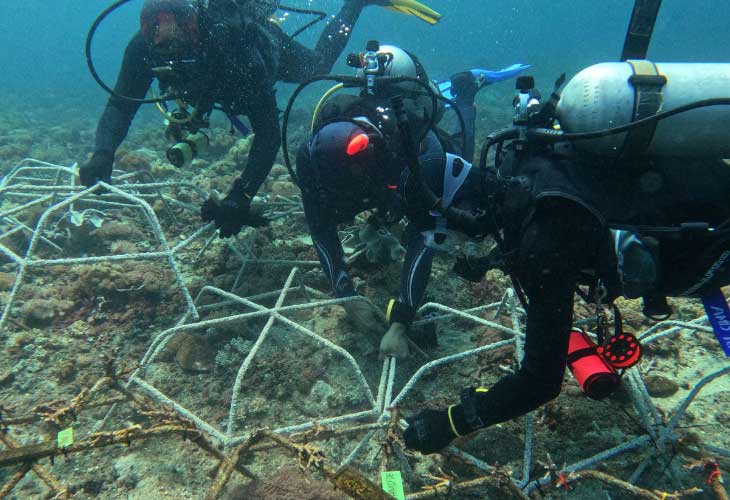
The primary activity here is participating in coral reef restoration projects, specifically focusing on the Mars Assisted Reef Restoration System (MARRS). Local organizations are implementing this innovative approach, and visitors can play a vital role. You can participate in planting new coral fragments grown on spider-like structures, learning about the principles of bio-rock technology, which accelerates coral growth. It's a hands-on experience that allows you to directly contribute to the recovery of these vital ecosystems. Learn more and get involved with certified coral planting workshops at Reef Check Indonesia.
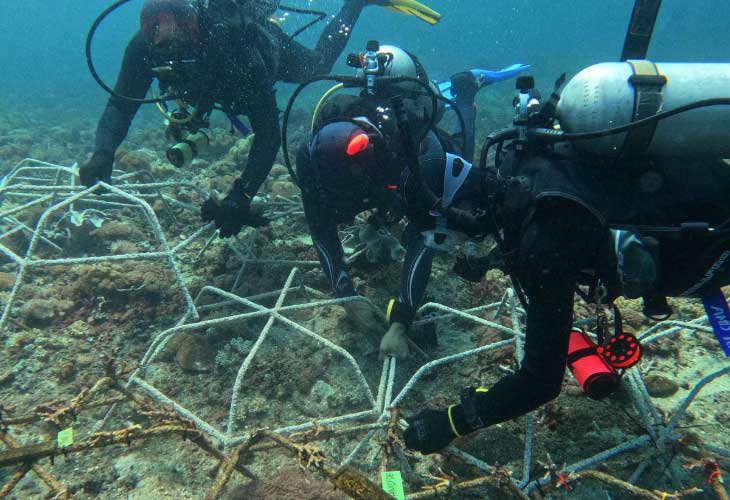
Alt text: An underwater photograph showcasing a diver planting coral fragments using the Mars Assisted Reef Restoration System (MARRS) in Bunaken National Park, highlighting the vibrant coral ecosystem.
Accommodation: The Coral Guardian Eco-Lodge
Immerse yourself in sustainable living at The Coral Guardian Eco-Lodge, located near Bunaken National Park in the charming village of Liang Beach. This fictional eco-lodge is designed with sustainability in mind, featuring a rooftop solar array that generates 70% of its electricity. A composting toilet system reduces water usage by 50%, and a greywater recycling system is used for irrigation. The Coral Guardian Eco-Lodge partners with the Bunaken National Park Management Authority, contributing 10% of its profits to patrol boats and ranger salaries. Furthermore, 80% of its staff are local residents from Liang Beach, ensuring that tourism benefits the community directly.
Location 2: South Ari Atoll, Maldives - Swimming with Whale Sharks and Supporting Marine Research
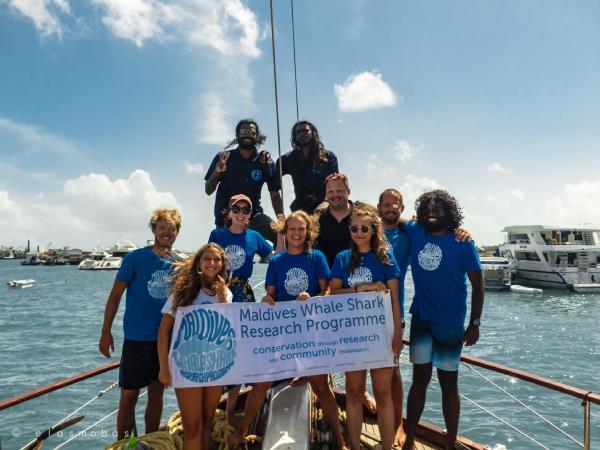
South Ari Atoll in the Maldives is renowned for its whale shark aggregation, particularly between May and November. These gentle giants are vital to the local ecosystem as indicators of ocean health. The Maldives Whale Shark Research Programme (MWSRP) conducts ongoing research, identifying approximately 200 individual whale sharks in the region annually. However, these magnificent creatures face threats from boat strikes and accidental entanglement in fishing gear, making conservation efforts crucial.
Activity: Responsible Whale Shark Snorkeling
Experience the thrill of swimming alongside whale sharks on responsible snorkeling tours operated by tour operators accredited by the MWSRP. These tours adhere to a strict code of conduct, ensuring the safety and well-being of the whale sharks. This includes maintaining a minimum distance of 3 meters from the animals and limiting the number of snorkelers in the water at any one time. By choosing accredited operators, you contribute directly to the conservation of these incredible creatures. Learn more about responsible tourism guidelines from the Maldives Whale Shark Research Programme.
Accommodation: The Manta Ray Research Resort
Stay at The Manta Ray Research Resort, a fictional resort located on South Ari Atoll, built on a repurposed sandbank previously used for illegal waste disposal. This unique resort features a state-of-the-art marine research lab, an underwater observation chamber, and a team of three resident marine biologists. The resort is committed to sustainable practices, including a desalination plant powered by renewable energy and a zero-waste policy implemented through extensive recycling and composting. The Manta Ray Research Resort also offers internships for marine biology students from around the world and guest lectures by the resident scientists, providing valuable educational opportunities.
Alt text: A captivating image of a whale shark gracefully swimming in the turquoise waters of South Ari Atoll, Maldives, as snorkelers responsibly observe from a safe distance, highlighting ethical whale shark tourism.
Location 3: Poor Knights Islands Marine Reserve, New Zealand - Diving into a Protected Underwater Paradise
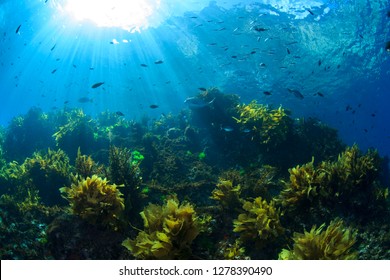
The Poor Knights Islands Marine Reserve, off the coast of New Zealand, offers a diverse underwater landscape unlike any other. Kelp forests, sponge gardens, and caves teem with marine life, creating a breathtaking spectacle for divers and snorkelers. The reserve is home to unique species of fish, invertebrates, and algae, such as the pink maomao (Caprodon longimanus), nudibranchs (Chromodoris amoena), and giant kelp (Macrocystis pyrifera). Since becoming a marine reserve in 1981, fish populations have increased by an average of 400%, a testament to the effectiveness of marine protection.
Activity: Certified Eco-Diving Tours
Explore the underwater wonders of the Poor Knights Islands on certified eco-diving tours operated by dive operators accredited by the Department of Conservation (DOC). These operators adhere to strict guidelines, including avoiding contact with marine life and minimizing disturbance to the seabed. By choosing accredited operators, you can enjoy a responsible and sustainable diving experience. Find a list of accredited dive operators and information on the reserve's management plan on the DOC website.
Accommodation: The Kiwi Conservation Cabins
Escape to The Kiwi Conservation Cabins, fictional eco-cabins nestled in the forest overlooking the Poor Knights Islands near Tutukaka. These sustainably designed cabins are constructed using sustainably harvested timber and powered by a micro-hydro system using rainwater runoff. The Kiwi Conservation Cabins support local conservation efforts, contributing 5% of profits to the local Predator Free 2050 project to protect native kiwi populations. Guests can also participate in citizen science projects to monitor marine life in the Poor Knights Islands. Each cabin has a dedicated bird feeder, attracting native bird species like the tui and bellbird.
Alt text: A picturesque view of The Kiwi Conservation Cabins, discreetly tucked within a verdant forest overlooking the Poor Knights Islands, New Zealand, illustrating eco-friendly architecture and sustainable living.
The Importance of Protecting Ocean Ecosystems
Protecting our ocean ecosystems is not just an environmental imperative; it’s crucial for the health of our planet and the well-being of future generations. Oceans regulate the Earth's climate by absorbing heat and carbon dioxide. They support a vast array of marine life, contributing to biodiversity and food security. Unfortunately, human activities like overfishing, pollution, and climate change are endangering these vital ecosystems. By making conscious travel choices, we can support marine conservation travel and help to mitigate these threats.
Choosing Ethical Beach Destinations
When planning your Ocean Guardian Escape, it’s important to choose ethical and responsible travel options. Look for accommodations and tour operators that prioritize sustainability, support local communities, and minimize their environmental impact. Ask questions about their conservation practices and ensure that they adhere to strict ethical guidelines. Choosing certified ecotourism operators is one of the best ways to have responsible beach tourism.
Active Ways to Protect Beaches
There are many ways you can actively protect beaches during your travels. Participating in beach cleanups is a simple yet effective way to remove harmful plastic pollution. Supporting local conservation initiatives, such as coral reef restoration projects or whale shark research programs, can also make a significant difference. Another way is to use reef-safe sunscreen to protect our reefs.
Ways to Give Back During Your Trip
Consider participating in volunteer vacation marine conservation programs to give back during your trip. These programs offer opportunities to actively contribute to conservation efforts, such as monitoring marine life, planting coral, or educating local communities about sustainable practices. It’s a great way to combine travel with meaningful conservation work.
Conclusion: Be an Ocean Guardian
Responsible travel is more critical than ever in the face of increasing threats to marine ecosystems. We encourage you to explore these beaches and other VistaLocation "Ocean Guardian Escapes" to experience the rewards of contributing to marine conservation firsthand. By choosing sustainable travel options, you can help protect our oceans for future generations.
Book your ocean-friendly vacation today through VistaLocation and help protect our oceans! Book any "Ocean Guardian Escape" by [April 10, 2024] and receive a free reusable water bottle and reef-safe sunscreen.